
LiveKit AgentsFrammento open-source per la creazione di agenti AI real-time con voce, video e multimodalità.

Panoramica
Funzionalità chiave
- Orchestrazione voce, video e testo agenti in tempo reale
- Infrastruttura di streaming basata su WebRTC
- Fornitori di modello pluggabili per STT, LLM e TTS
- Rilevamento e gestione interruzioni e passaggi incorporati
- Supporto per strumenti e chiamate di funzione
- SDK per Python e Node.js
Prezzi
- Modello
- Freemium
- Categoria
- Riconoscimento di Sintesi della Voce
- Valutazione
- 4.5 / 5 (6)
Casi d’uso
Crea Assistenti per la voce in tempo reale
Crea assistenti conversazionali per la voce che gestiscono il passaggio naturale e le interruzioni, utilizzando fornitori STT, LLM e TTS pluggabili su un pipeline WebRTC a bassa latenza.
Agenti AI per il supporto cliente con telefonia
Distribuisci agenti di supporto clienti AI che rispondono alle chiamate, risolvono le richieste dei clienti e attivano le azioni backend mediante chiamata e chiamata di funzione.
Tutor interattivi in diretta
Crea agenti di tutoraggio multimodale che ascoltano, parlano e vedono, consentendo istruzioni a ritmo di conversazione diretta con gli studenti attraverso la voce e il video.
Avatar AI interattivi
Attiva avatar video che percepiscono l'ambiente mediante audio e visione, rispondendo in tempo reale per esperienze conversazionali immersive.
Pro & contro
Pro
- Sotto licenza open source con licenza permissiva
- Pipelines audio e video a bassa latenza in tempo reale
- Integrate integrabili e flessibili con i principali fornitore di LLM, STT e TTS
- Gestione interruzioni e passaggi incorporati senza bisogno di modifiche aggiuntive
Contro
- Richiede esperienza di sviluppatore per la distribuzione e la personalizzazione
- L'infrastruttura di hosting self-service aggiunge overhead operativo
- I documenti possono ritardare le aggiornamenti rapidi delle funzionalità
Recensioni
Media su 6 valutazioni.
Accedi per lasciare una recensione.
Solid for our team
We rolled this out across the team last quarter and low-latency real-time audio and video pipeline. SDKs for Python and Node.js fits neatly into how we already work, and built-in interruption and turn detection removed a step we used to do by hand. but it has held up under daily use.

Does the job
Pretty happy overall. Tool and function calling support just works and flexible integrations with major LLM, STT, and TTS providers. Documentation can lag behind rapid feature updates can be annoying, but no dealbreakers — I'd recommend it to a friend without hesitating.

Does the job
Pretty happy overall. SDKs for Python and Node.js just works and handles interruptions and turn-taking out of the box. but no dealbreakers — I'd recommend it to a friend without hesitating.

Does the job
Pretty happy overall. Pluggable model providers for STT, LLM, and TTS just works and open source with permissive licensing. Self-hosting infrastructure adds operational overhead can be annoying, but no dealbreakers — I'd recommend it to a friend without hesitating.

Solid for our team
We rolled this out across the team last quarter and low-latency real-time audio and video pipeline. Tool and function calling support fits neatly into how we already work, and pluggable model providers for STT, LLM, and TTS removed a step we used to do by hand. but it has held up under daily use.
Skeptical, then convinced
I went in skeptical — most tools in this space overpromise. It actually delivers on sDKs for Python and Node.js, and handles interruptions and turn-taking out of the box caught me off guard. Requires developer expertise to deploy and customize is why this isn't a perfect score, still, I'd recommend giving it a real trial.
Domande e risposte
How can I learn more?
This documentation site is organized into several main sections: Introduction: Start here to understand LiveKit's core concepts and get set up.Build Agents: Learn how to build AI agents using the LiveKit Agents framework.Agent Frontends: Build web, mobile, and hardware interfaces for agents.Telephony: Connect agents to phone networks and traditional communication systems.WebRTC Transport: Deep dive into WebRTC concepts and low-level transport details.Manage & Deploy: Deploy and manage LiveKit agents and infrastructure, and learn how to test, evaluate, and observe agent performance.Reference: API references, SDK documentation, and component libraries. Use the sidebar navigation to explore topics within each section. Each page includes code examples, guides, and links to related concepts. Start with Understanding LiveKit overview to learn core concepts, then follow the guides that match your use case.
Asked by Fumiko Sato · Nov 19, 2025
How does LiveKit work?
LiveKit's architecture consists of several key components that work together.
Asked by Yuki Kobayashi · Oct 31, 2025
What can I build?
LiveKit supports a wide range of applications: AI assistants: Multimodal AI assistants and avatars that interact through voice, video, and text.Video conferencing: Secure, private meetings for teams of any size.Interactive livestreaming: Broadcast to audiences with realtime engagement.Customer service: Flexible and observable web, mobile, and telephone support options.Healthcare: HIPAA-compliant telehealth with AI and humans in the loop.Robotics: Integrate realtime video and powerful AI models into real-world devices. LiveKit provides the realtime foundation (low latency, scalable performance, and flexible tools) needed to run production-ready AI experiences.
Asked by Ravi Chandrasekaran · Sep 20, 2025
Why use LiveKit?
LiveKit differentiates itself through several key advantages: Build faster with high-level abstractions: Use the LiveKit Agents framework to quickly build production-ready AI agents with built-in support for speech processing, turn-taking, multimodal events, and LLM integration. When you need custom behavior, access lower-level WebRTC primitives for complete control. Write once, deploy everywhere: Both human clients and AI agents use the same SDKs and APIs, so you can write agent logic once and deploy it across Web, iOS, Android, Flutter, Unity, and backend environments. Agents and clients interact seamlessly regardless of platform. Focus on building, not infrastructure: LiveKit handles the operational complexity of WebRTC so developers can focus on building agents. Choose between fully managed LiveKit Cloud or self-hosted deployment — both offer identical APIs and core capabilities. Connect to any system: Extend LiveKit with egress, ingress, telephony, and server APIs to build end-to-end workflows that span web, mobile, phone networks, and physical devices.
Asked by Chioma Nwosu · Sep 6, 2025
What is LiveKit?
LiveKit is an open source framework and cloud platform for building voice, video, and physical AI agents. It provides the tools you need to build agents that interact with users in realtime over audio, video, and data streams. Agents run on the LiveKit server, which supplies the low-latency infrastructure (including transport, routing, synchronization, and session management) built on a production-grade WebRTC stack. This architecture enables reliable and performant agent workloads.
Asked by Greta Nowak · Aug 9, 2025
Fai una domanda
Alternative a Riconoscimento di Sintesi della Voce
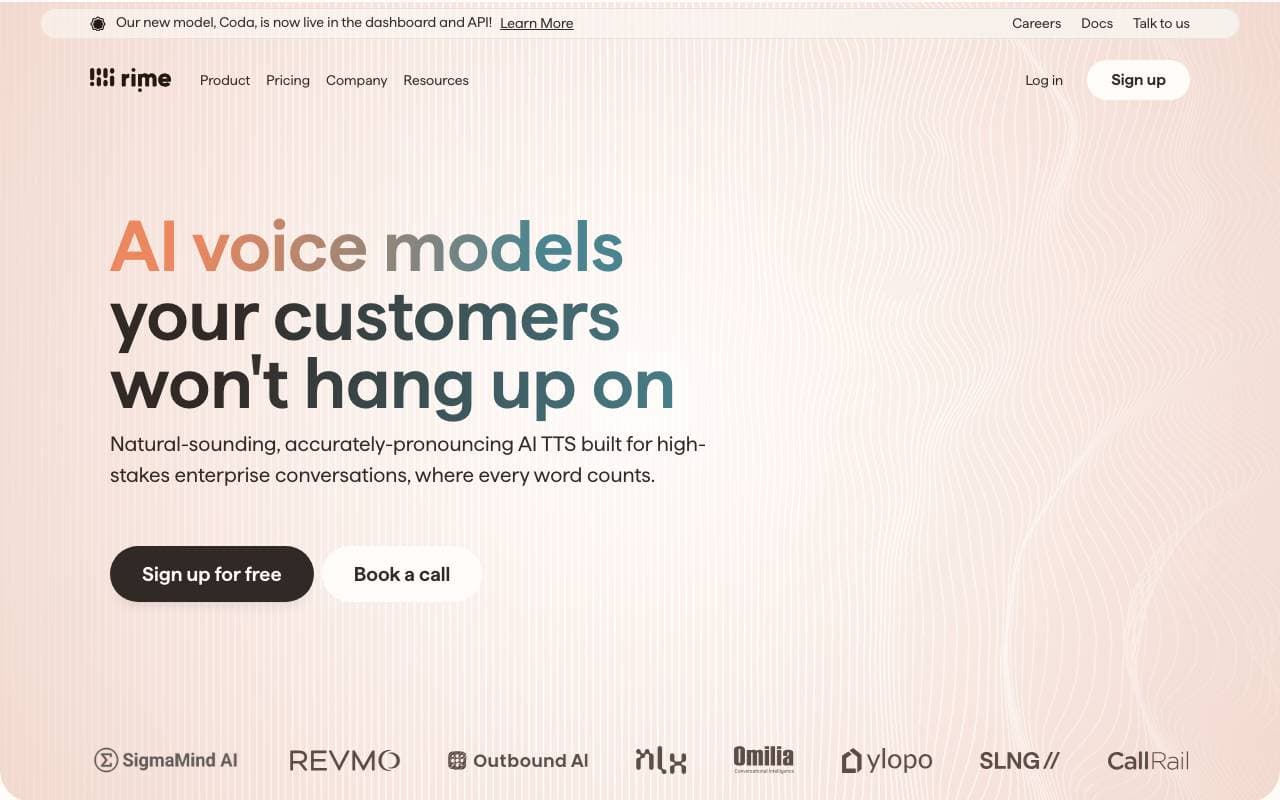

Rime
Riconoscimento di Sintesi della Voce
Voci AI simili a quelle umane costruite per conversazioni di customer care in tempo reale

AITernet
Riconoscimento di Sintesi della Voce
Un browser AI attivato a voce che esegue comandi dell'utente automatizzando interazioni web.


Read PDF Aloud
Riconoscimento di Sintesi della Voce
Trasforma PDF in audiostream naturali con voci AI per la lettura senza sforzo.
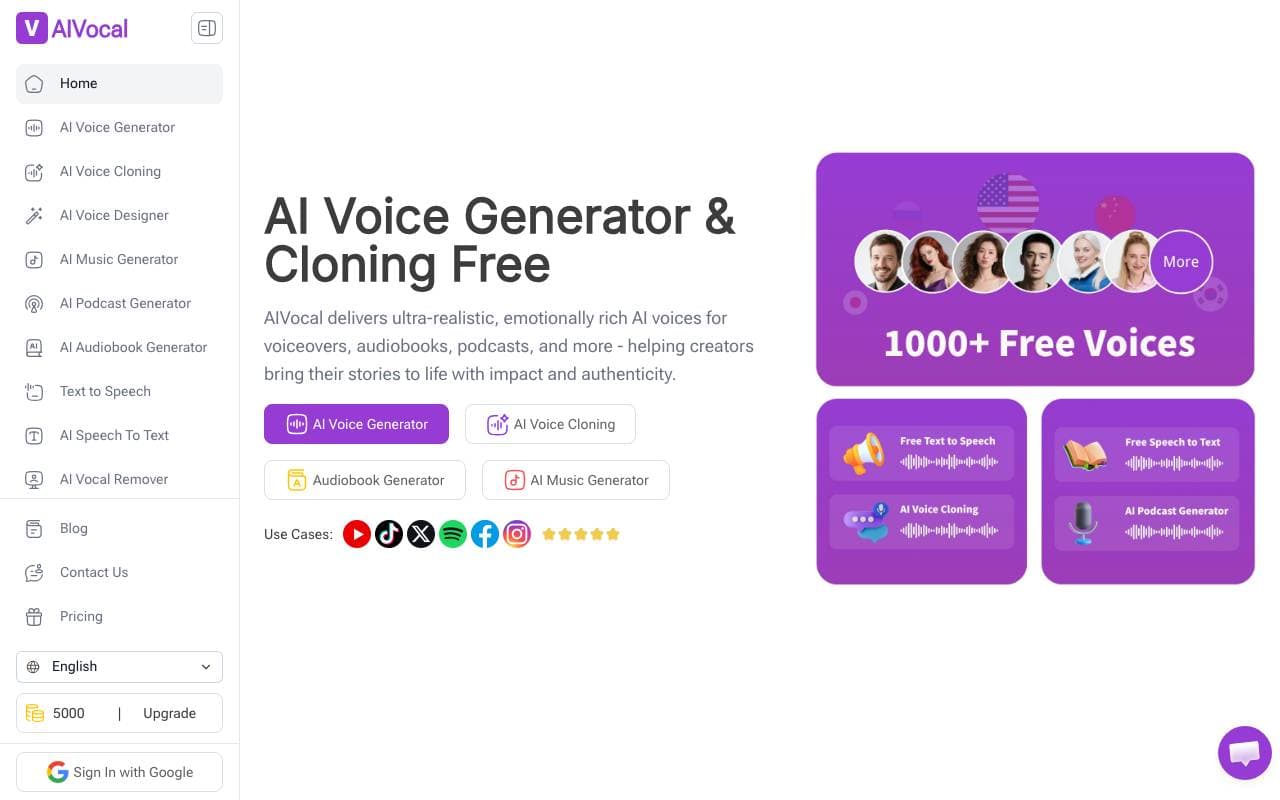

AIVocal
Riconoscimento di Sintesi della Voce
Tutto-in-uno AI assistente vocale per la generazione, la modifica e l'innalzamento dell'audio vocale.
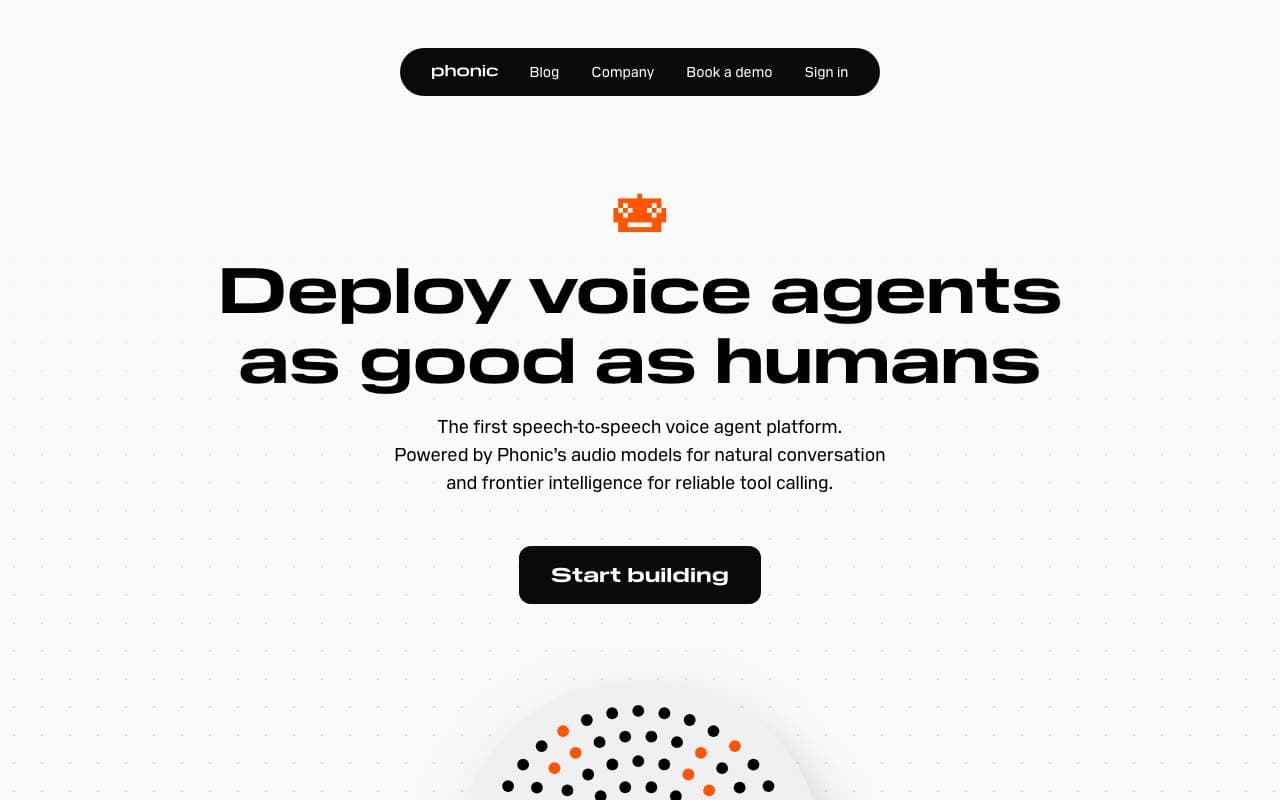

Phonic
Riconoscimento di Sintesi della Voce
Piattaforma completa per la creazione di agenti AI di voce realistici e affidabili.


Fliki AI
Riconoscimento di Sintesi della Voce
Trasforma testi, script e idee in video narrati con voci e avatar AI.
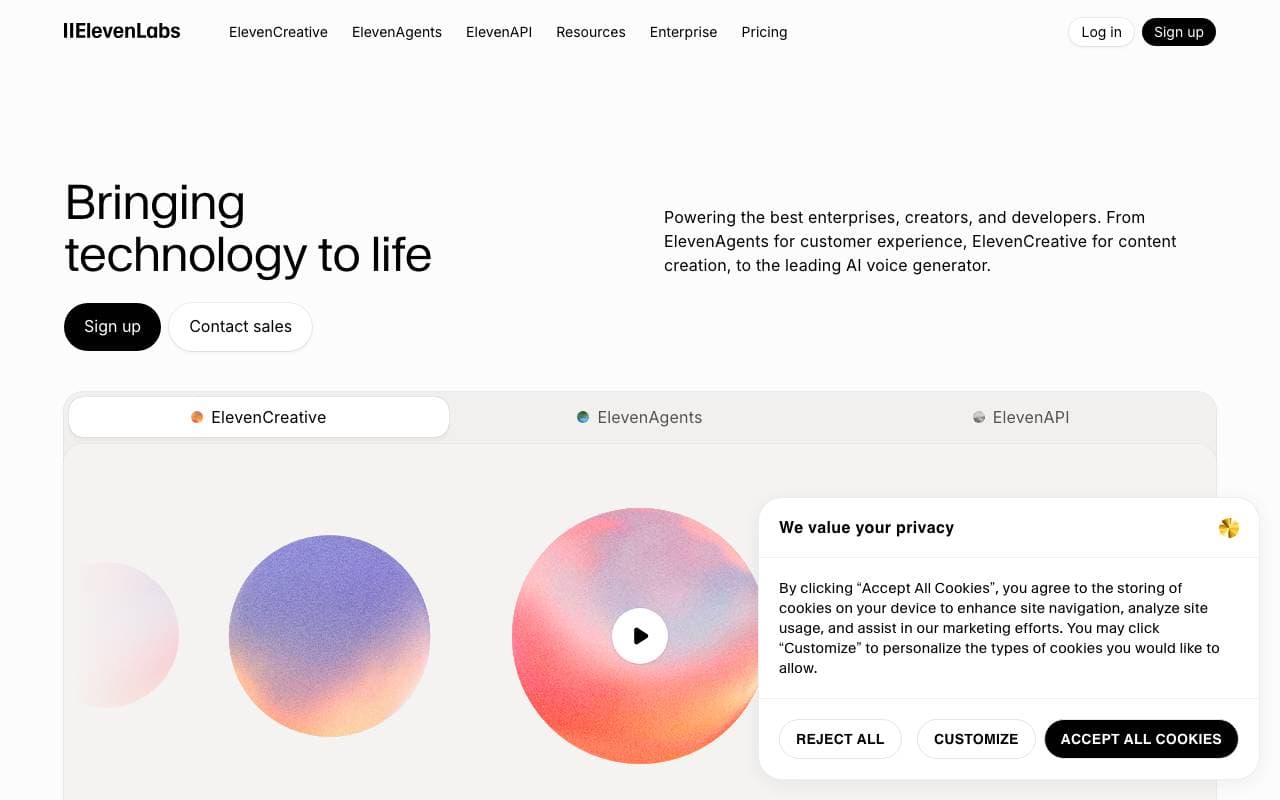

ElevenLabs
Riconoscimento di Sintesi della Voce
Testo AI parla con suoni realistici e clonazione vocale in dozzine di lingue.
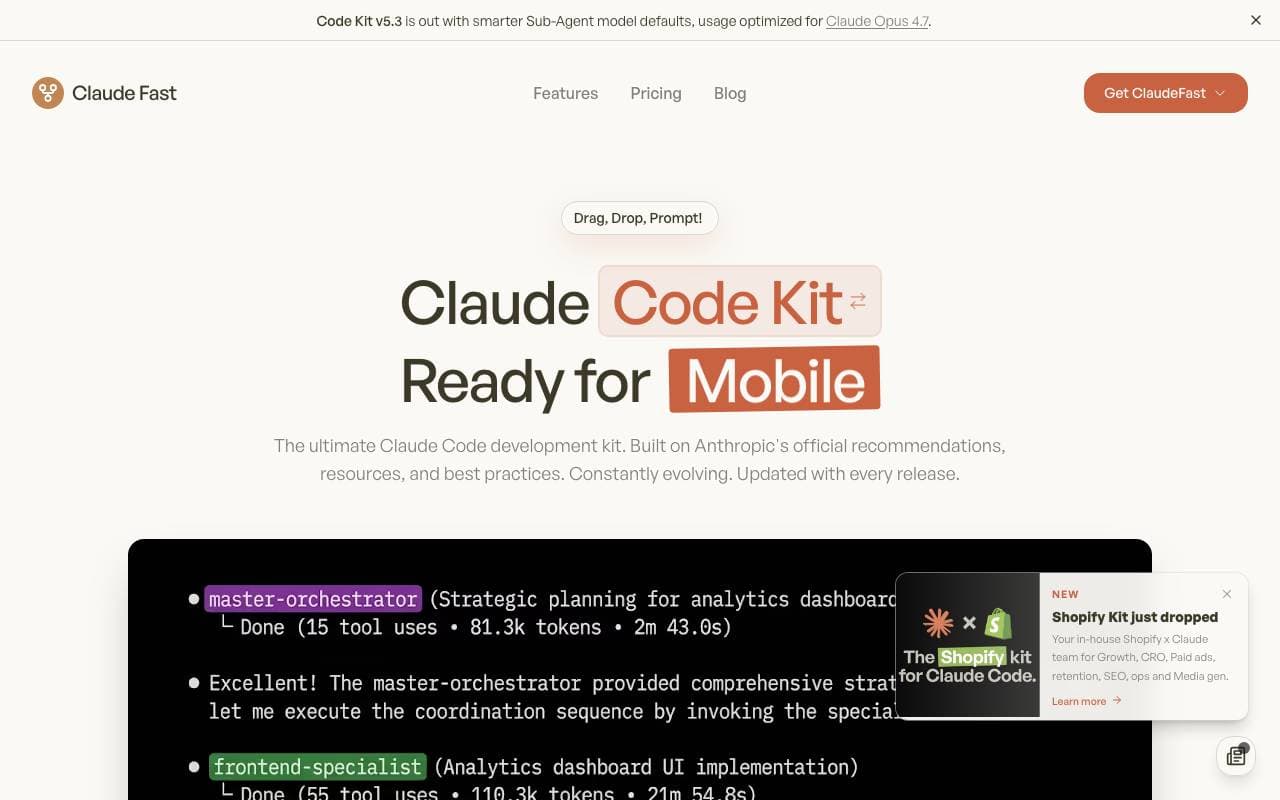

Claudefast
Riconoscimento di Sintesi della Voce
Configurazioni predefinite di Claudefast per saltare la configurazione e iniziare a spedire più velocemente.
Trending now
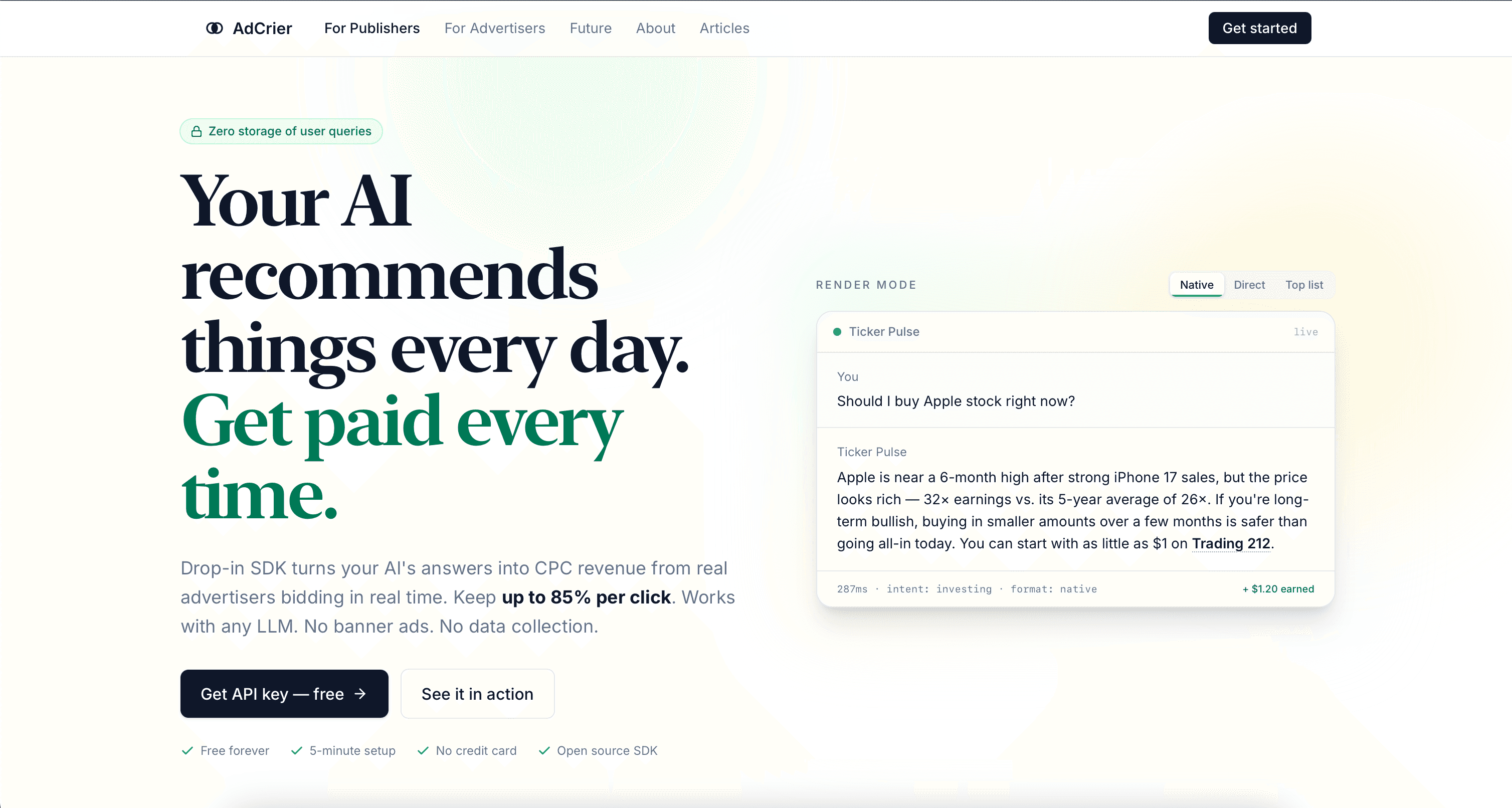

AdCrier
Marketing & Publicità
Risposte sponsorizzate, pagate per clic


Reducto AI
Piattaforme per lo Sviluppo di Agenti AI
API di intelligenza dei documenti che elabora, suddivide, riconosce testi da immagine e estrae dati strutturati da PDFs complessi, diapositive e fogli elettronici


Biology AI
Intelligenza Artificiale per l"Educazione
Aiuto di Alta Qualità per i Compiti con Spiegazioni Dettagliate
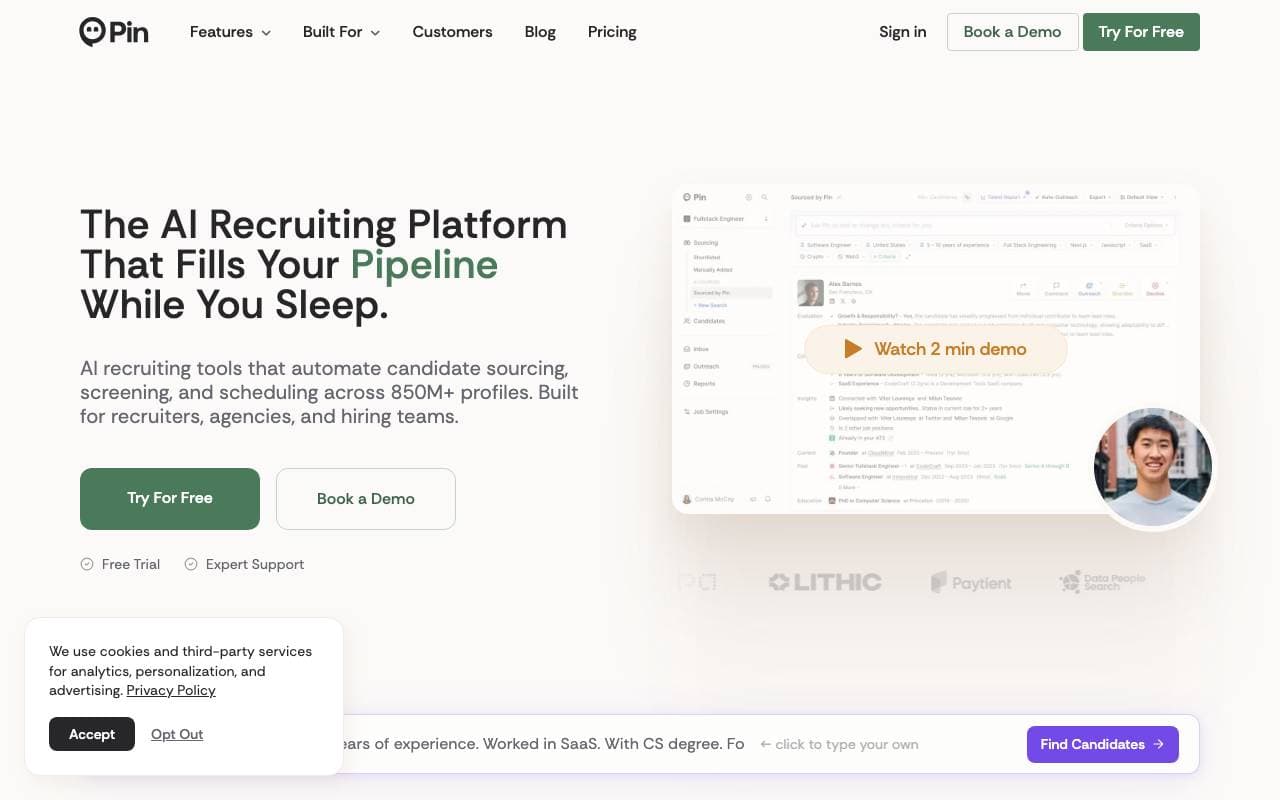

Pin AI
Automazione di workflow
Recruiter AI Agent che automatizza la sorgenza, lo screening e la outreach per velocizzare il processo di assunzione.