
LitrevuSintesi di rassegne letterarie potenziata dall'intelligenza artificiale generate dai tuoi documenti di ricerca caricate

Panoramica
Funzionalità chiave
- Carica più documenti di ricerca
- Sintesi automatizzata delle scoperte chiave
- Gruppi tematici all'interno delle fonti
- Generazione del draft della rassegna letteraria
- Sommary di singoli documenti
- Output pronto all'esportazione
Prezzi
- Modello
- Free
- Categoria
- Educazione
- Valutazione
- 4.6 / 5 (5)
Casi d’uso
Racconta una rassegna letteraria di laurea
I studenti di dottorato possono caricare decine di documenti e generare un primo bozzetto strutturato della loro rassegna letteraria di laurea, salvando ore di lettura manuale e sintesi.
Identifica le lacune di ricerca e i temi
Gli ricercatori possono utilizzare il gruppo tematico all'interno delle fonti caricati per individuare temi ricorrenti, contraddizioni e aree poco esplorate nel loro campo.
Comprimi il lavoro per un corso
Gli studenti possono generare rapidamente una sommaria concisa di singoli documenti per prepararsi per le riunioni, gli esami o i compiti corso.
Acelera la scrittura della rassegna sistematica
Gli accademici in preparativi di articoli del giornale o rassegne sistematiche possono produrre output di sintesi esportabile da finire e adattare a stile della pubblicazione di destinazione.
Pro & contro
Pro
- Salva ore di lettura manuale e sintesi
- Identifica temi all'interno di molte fonti
- Ottimo draft iniziale per la scrittura accademica
- Lavora direttamente dai PDF caricati
- Racchiude
Contro
- L'output richiede ancora la revisione e la revisione umana
- La qualità dipende dalle fonti fornite
- Può mancare la complessità nei lavori teorici complessi
- Non un sostituto dell'expertise soggettiva approfondita
Recensioni
Media su 5 valutazioni.
Accedi per lasciare una recensione.
Does the job
Pretty happy overall. Thematic grouping across sources just works and useful starting draft for academic writing. Output still requires human review and editing can be annoying, but no dealbreakers — I'd recommend it to a friend without hesitating.

Solid for our team
We rolled this out across the team last quarter and works directly from uploaded PDFs. Summaries of individual papers fits neatly into how we already work, and thematic grouping across sources removed a step we used to do by hand. but it has held up under daily use.

Compared a few options
Evaluated this against two competitors. Where it wins: automated synthesis of key findings and identifies themes across many sources. Where it lags: output still requires human review and editing. On balance the feature set — especially summaries of individual papers — justifies the 4 stars for our use case.
Compared a few options
Evaluated this against two competitors. Where it wins: export-ready written output and works directly from uploaded PDFs. On balance the feature set — especially export-ready written output — justifies the 5 stars for our use case.

Solid for our team
We rolled this out across the team last quarter and saves hours on manual reading and synthesis. Export-ready written output fits neatly into how we already work, and export-ready written output removed a step we used to do by hand. but it has held up under daily use.
Domande e risposte
How does Litrevu help with my literature review?
Add your sources (upload PDFs or pull papers from OpenAlex) and Litrevu reads and synthesizes them into a structured set of notes with real citations. You guide the topic and research question. The AI extracts key findings from your sources for you to review, revise, and rewrite in your own voice. 800 words free, no credit card required.
Asked by Grace Okafor · Oct 13, 2025
How long does a literature review take with Litrevu?
Most literature reviews can be synthesized in under two hours. A traditional lit review takes 40–80 hours of reading. Litrevu reads your uploaded papers and extracts a structured synthesis with citations in minutes per section — your starting point to review and revise.
Asked by Anya Sokolova · Sep 25, 2025
Does Litrevu hallucinate citations like ChatGPT?
No. Every citation comes from your sources. Litrevu never invents references. It uses retrieval-augmented generation (RAG) to pull content exclusively from your sources, so every reference is real and verifiable.
Asked by Petros Georgiou · Sep 16, 2025
What citation styles does Litrevu support?
APA, MLA, Chicago, Harvard, Vancouver, and IEEE. You can switch between citation styles instantly after generation. Most students use APA or Harvard formatting.
Asked by Naomi Suzuki · Sep 5, 2025
Is Litrevu just for literature reviews?
Not at all. Litrevu synthesizes your sources for every section of a research paper: Introduction, Literature Review, Methodology, Results, Discussion, Conclusion, Abstract, and Title. You review, revise, and rewrite each section. Most students start with the free Introduction synthesis, then upgrade for the rest.
Asked by Yaw Owusu · Aug 16, 2025
Fai una domanda
Alternative a Educazione


LingoLeopard
Educazione
Impara le lingue attraverso letture immersive assistite dall'AI di testi reali.

flashpaperai
Educazione
Assistente AI per trovare articoli accademici e generare sommari di ricerca rapidamente.


PerfectEssayWriter.ai
Educazione
Assistente di scrittura di AI per la redazione di saggi accademici da un promemoria di argomento.
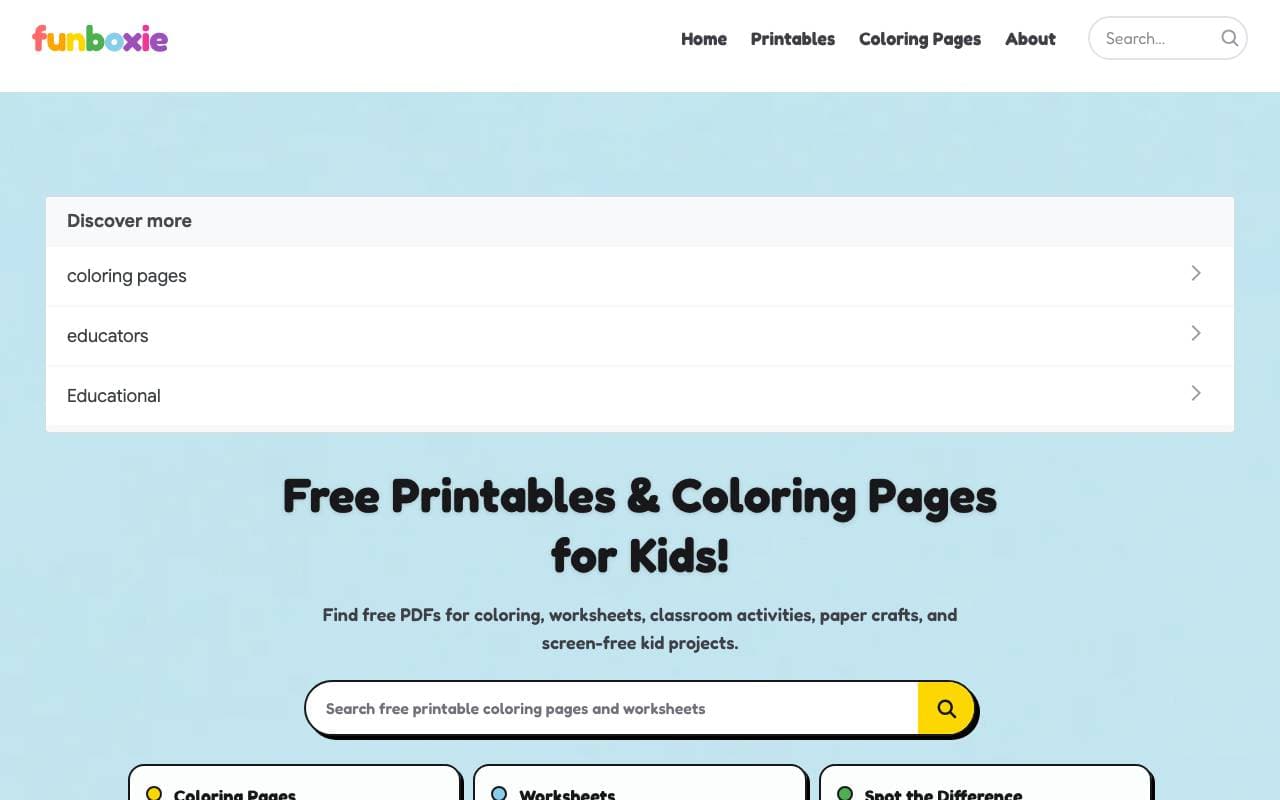

Funboxie
Educazione
Libero coloritura stampabile di pagine e fogli di esercizi educativi per bambini


Cuflow
Educazione
Trasforma documenti e video in riassunti, flashcards e quiz con l'intelligenza artificiale.


LoveStudy.ai
Educazione
Compagno di studio alimentato dall'intelligenza artificiale per girare appunti in flashcard, quiz e riassunti.
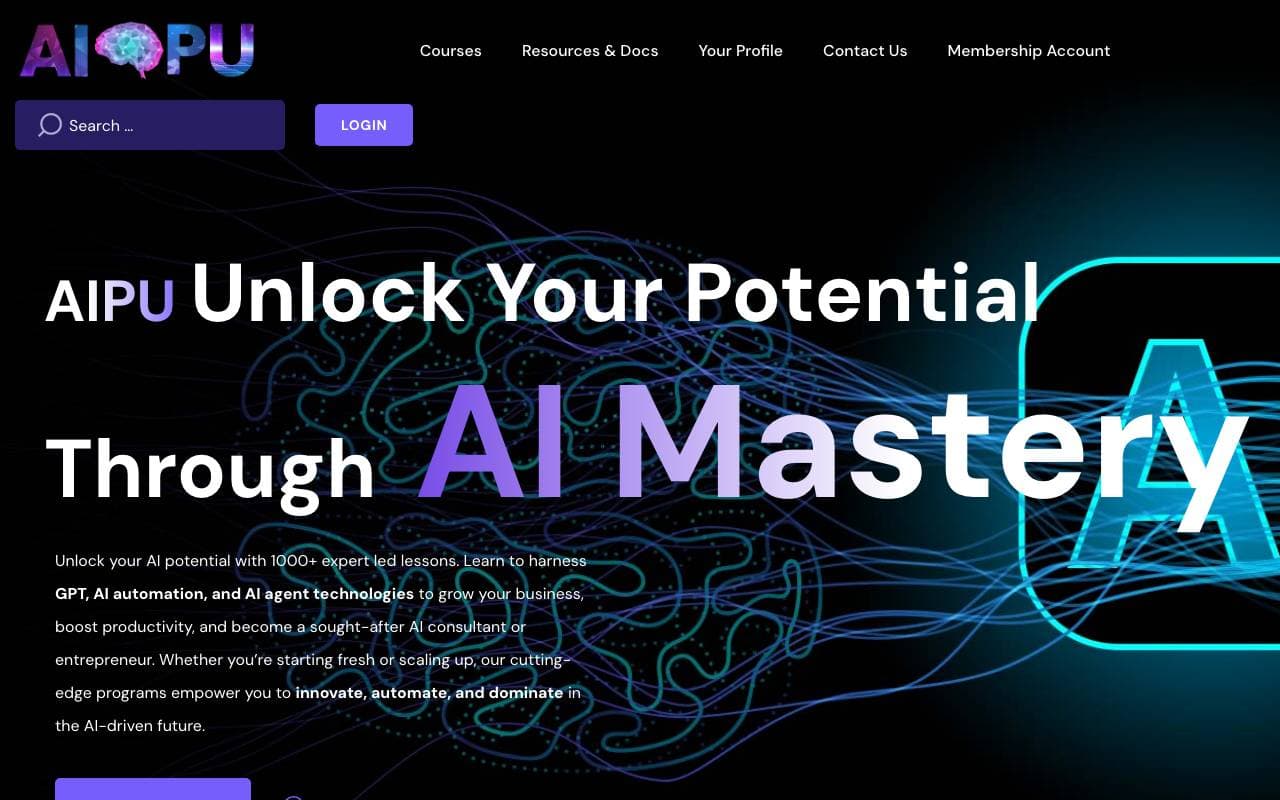

AIPU
Educazione
Piattaforma di apprendimento per la maturazione della padronanza di ChatGPT e workflow di auto-ammodernamento AI
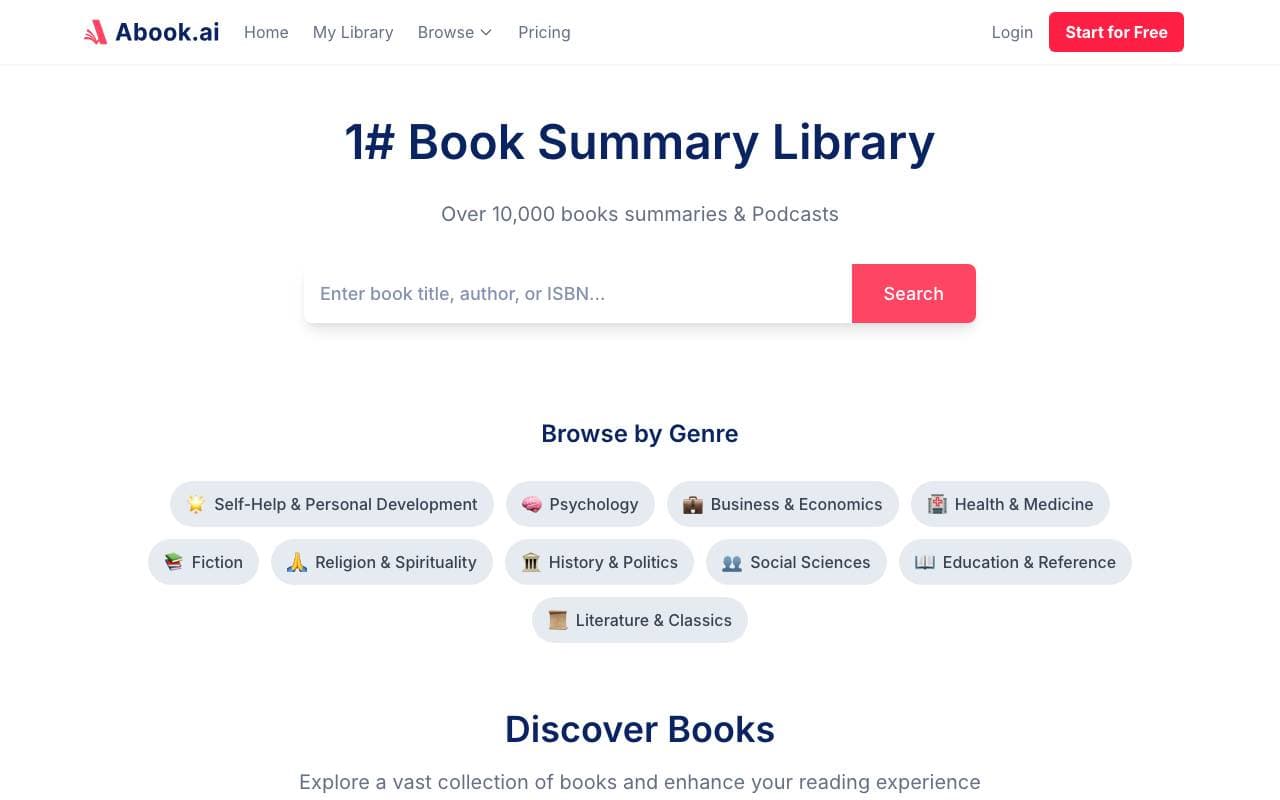

Abook
Educazione
Riassunti di libri generati dall'AI gratuiti, con podcast audio e download in PDF
Trending now


Reducto AI
Piattaforme per lo Sviluppo di Agenti AI
API di intelligenza dei documenti che elabora, suddivide, riconosce testi da immagine e estrae dati strutturati da PDFs complessi, diapositive e fogli elettronici
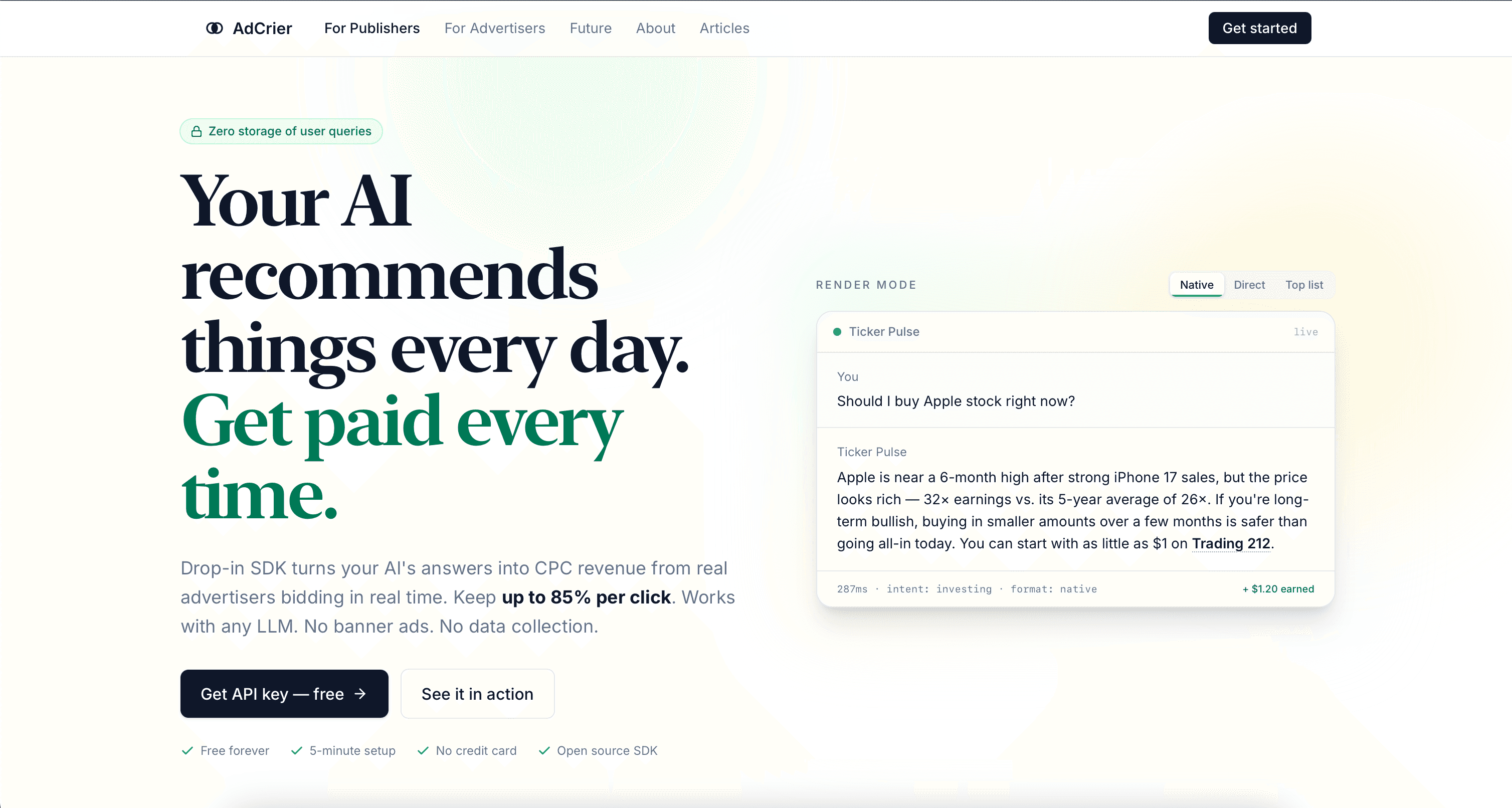

AdCrier
Marketing & Publicità
Risposte sponsorizzate, pagate per clic


Biology AI
Intelligenza Artificiale per l"Educazione
Aiuto di Alta Qualità per i Compiti con Spiegazioni Dettagliate
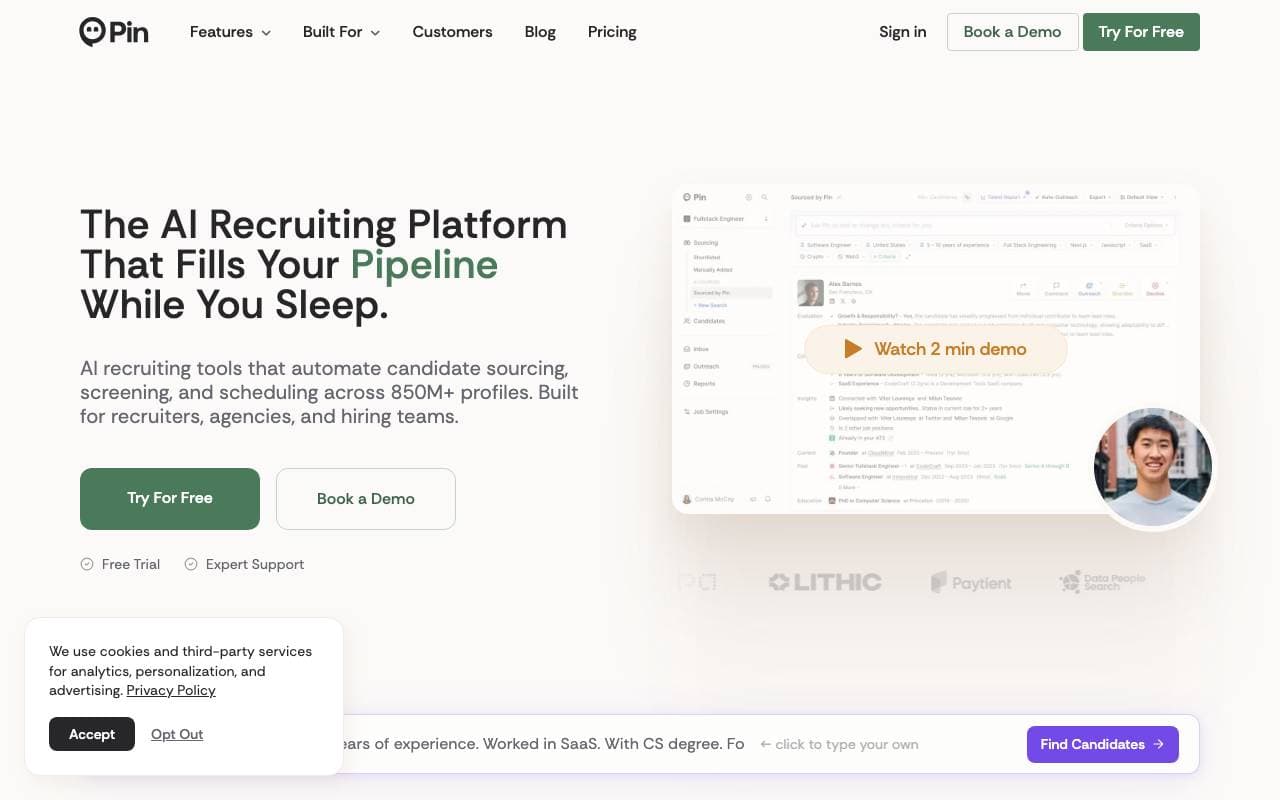

Pin AI
Automazione di workflow
Recruiter AI Agent che automatizza la sorgenza, lo screening e la outreach per velocizzare il processo di assunzione.