
DevraSviluppatore di software di AI autonomo che aggiorna il codice, le doc e i test da compiti assegnati.

Panoramica
Funzionalità chiave
- Esecuzione di compiti autonomi
- Aggiornamenti multiblocco di codice
- Aggiornamenti automatici delle doc
- Sintesi e aggiornamenti dei test unitari
- Integrazione con gli workflow dei developer
- Gestione degli task asincrono
Prezzi
- Modello
- Free
- Categoria
- Agente di Codifica
- Valutazione
- 4.2 / 5 (5)
Casi d’uso
Automatizzare cambiamenti di codice gestiti da ticket
Assegna a Devra un ticket ben definito e lascialo modificare il codice in diverse file; poi apri le modifiche per una revisione umana attraverso il flusso di lavoro standard del team.
Mantieni la documentazione in sincronia con il codice
Quando il codice viene aggiornato, Devra aggiorna la documentazione correlata nello stesso passaggio, riducendo il divario tra implementazione e documentazione.
Genera e aggiorna i test unitari
Scarica l'inserimento di codice o l'adattamento dei test unitari dopo refactoring o miglioramenti di feature, garantendo la copertura dei test coerente con le ultime modifiche di codice.
Scarica i refactoring e la manutenzione routine
Usa Devra come assistente junior asincrono per gestire il lavoro di feature incrementale e la manutenzione routine mentre gli ingegneri si concentrano su compiti architettonici più grandi.
Pro & contro
Pro
- Gestisce il codice, le doc e i test in una sola passata
- Funziona autonomamente sui compiti assegnati
- Si integra nei workflow di revisione esistenti
- Riduce il tempo trascorso sugli aggiornamenti routine
Contro
- Bussato per compiti ben delimitati
- L'output richiede ancora la revisione umana
- Potrebbe avere difficoltà con grandi cambiamenti architettonici
- useCases
- :
- [object Object],[object Object],[object Object],[object Object]
Storico battaglie
Su 1 battaglia nel Pantheon.
Last battle
Recensioni
Media su 5 valutazioni.
Accedi per lasciare una recensione.
Compared a few options
Evaluated this against two competitors. Where it wins: automatic documentation edits and reduces time spent on routine updates. Where it lags: best suited to well-scoped tasks. On balance the feature set — especially integration with developer workflows — justifies the 4 stars for our use case.

Years in this space
I've evaluated a lot of these over the years. What stands out here is integration with developer workflows — handled better than most — and reduces time spent on routine updates. Output still requires human review is my one real gripe. Worth the time if this is your use case.
Skeptical, then convinced
I went in skeptical — most tools in this space overpromise. It actually delivers on asynchronous task handling, and reduces time spent on routine updates caught me off guard. Best suited to well-scoped tasks is why this isn't a perfect score, still, I'd recommend giving it a real trial.
Does the job
Pretty happy overall. Automatic documentation edits just works and fits into existing review workflows. but no dealbreakers — I'd recommend it to a friend without hesitating.

Solid for our team
We rolled this out across the team last quarter and works autonomously on assigned tasks. Autonomous task execution fits neatly into how we already work, and unit test generation and updates removed a step we used to do by hand. Best suited to well-scoped tasks, which is the main caveat, but it has held up under daily use.
Domande e risposte
Will Devra’s code changes be ready to deploy without human oversight?
No; while Devra autonomously generates code, docs, and tests, all output is intended for human review before merging to ensure correctness and alignment with project standards.
Asked by Anya Sokolova · May 19, 2026
What types of development tasks is Devra best suited for?
Devra excels at well‑scoped, routine tasks such as bug fixes, small refactors, incremental feature additions, documentation updates, and unit test maintenance; it is less effective for large‑scale architectural redesigns.
Asked by Hiroshi Tanaka · May 10, 2026
How does Devra fit into our existing code review workflow?
Devra creates pull requests with the updated code, documentation, and tests, which can be reviewed and merged using your standard review tools, ensuring the team retains full control over changes.
Asked by Wolfgang Krause · Feb 12, 2026
Fai una domanda
Alternative a Agente di Codifica
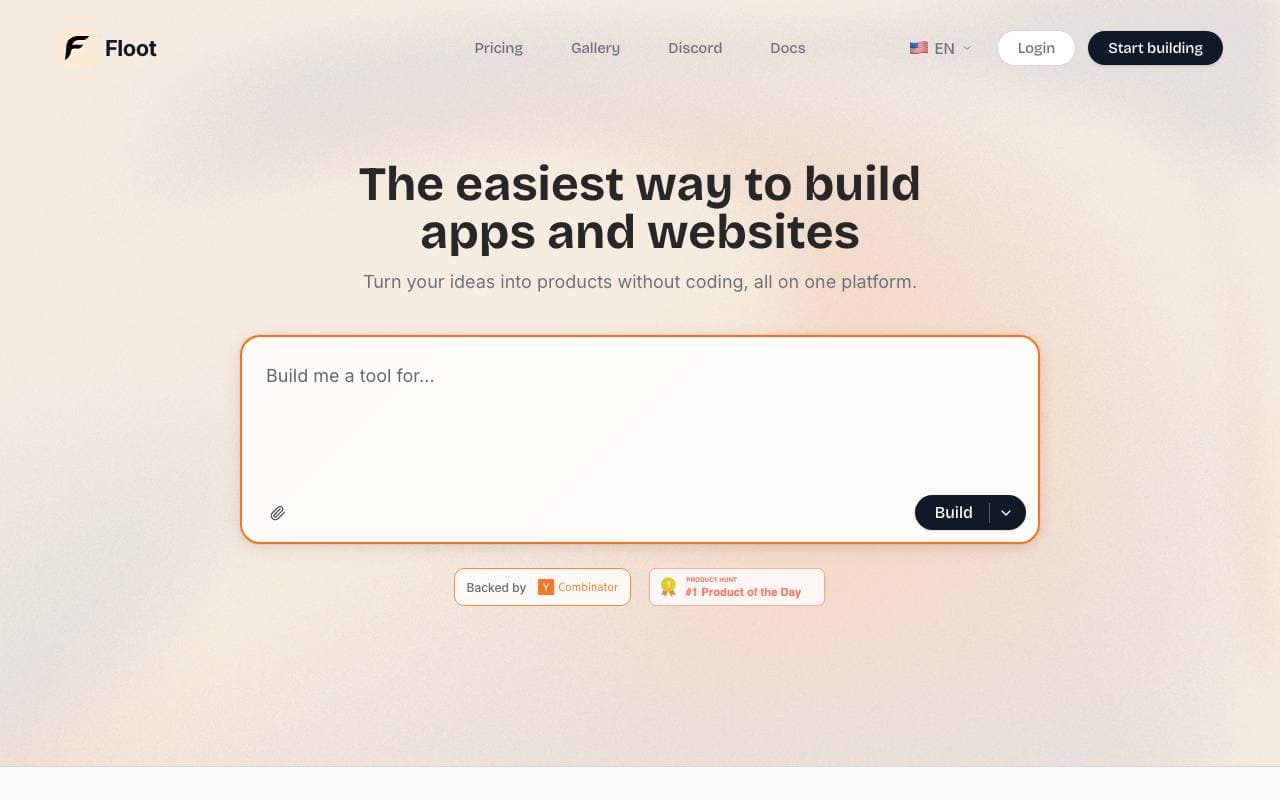

Floot
Agente di Codifica
Costruttore no-code alimentato da IA per trasformare le richieste in linguaggio naturale in applicazioni e siti Web funzionanti.
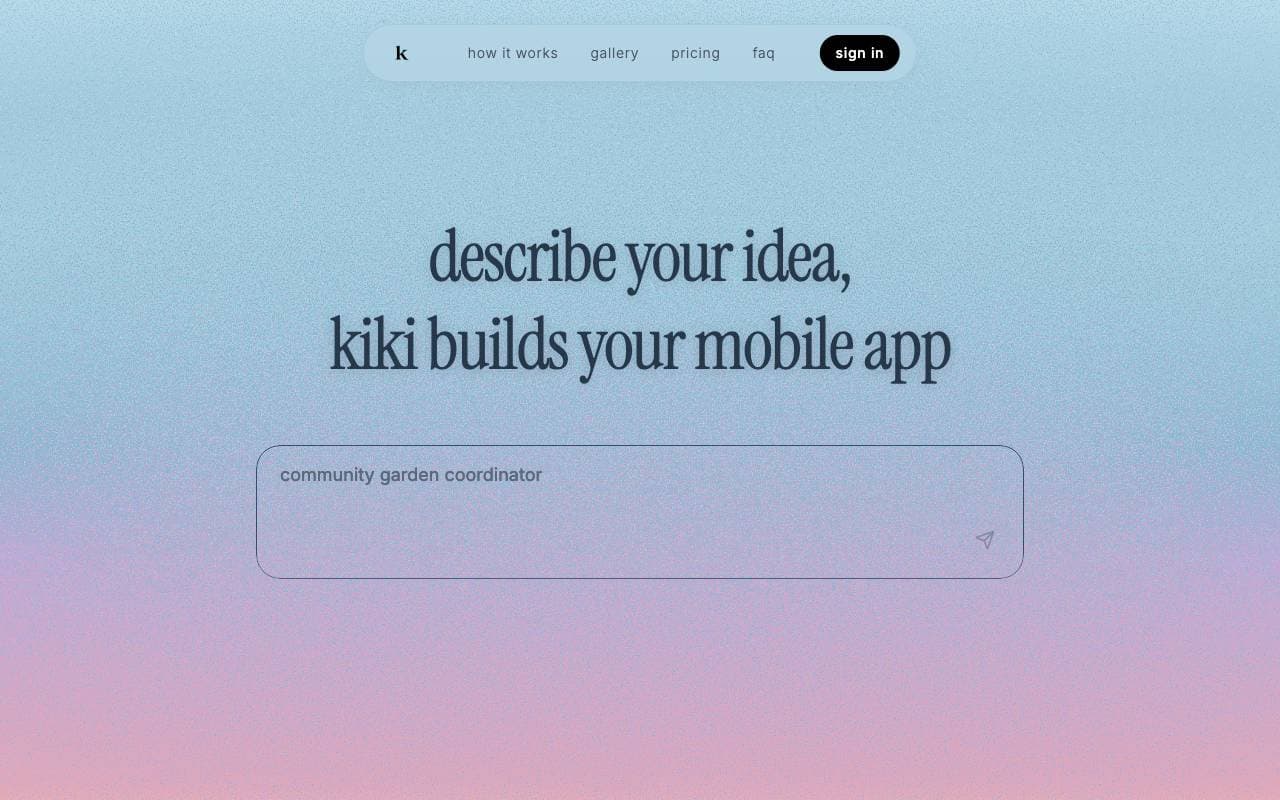

Appacella
Agente di Codifica
Trasforma le idee di app in applicazioni mobili funzionanti in secondi con AI


devlo AI
Agente di Codifica
Collaboratore AI che automatizza compiti di codifica nei tuoi repository e flussi di sviluppo
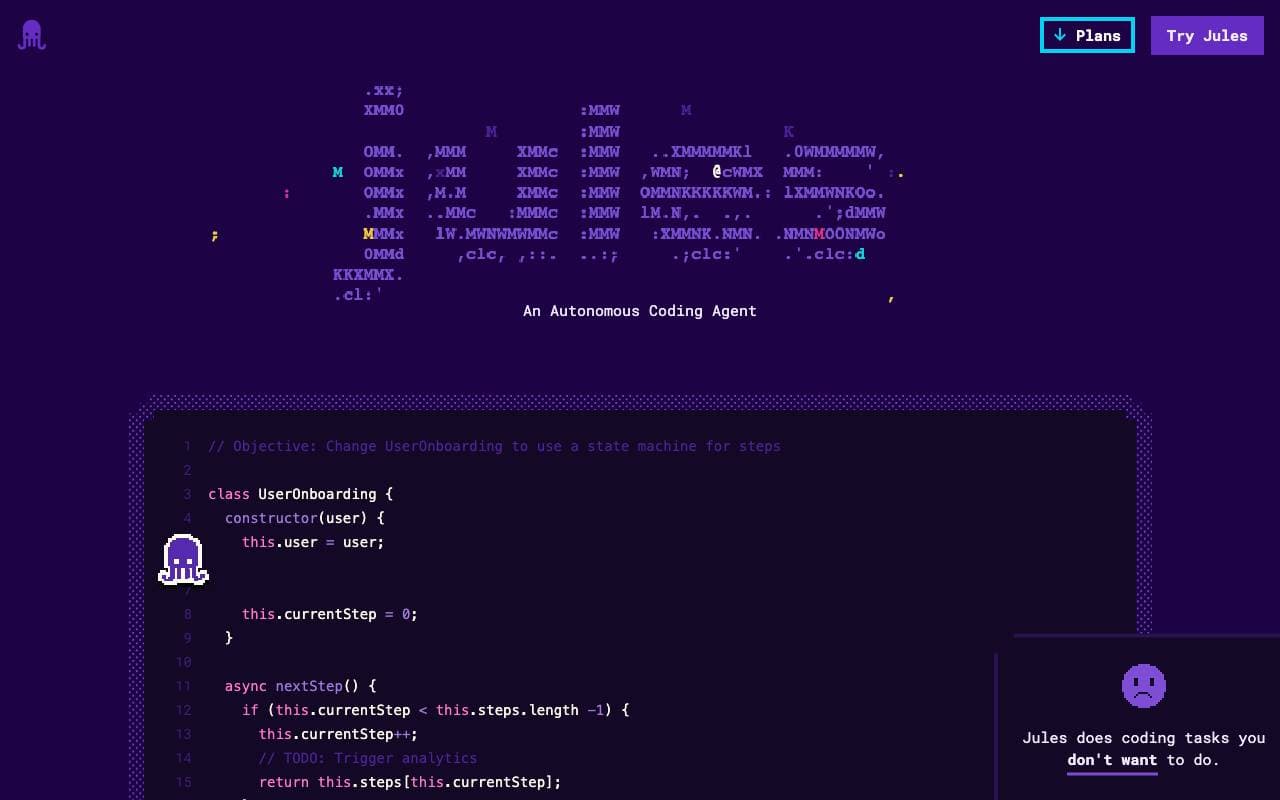

Jules
Agente di Codifica
Agente di codifica AI asincrono di Google che affronta i difetti e le test all'interno del workflow GitHub


Blocks Team
Agente di Codifica
Inserisci agenti di codifica direttamente nel flusso di lavoro di sviluppo della tua squadra
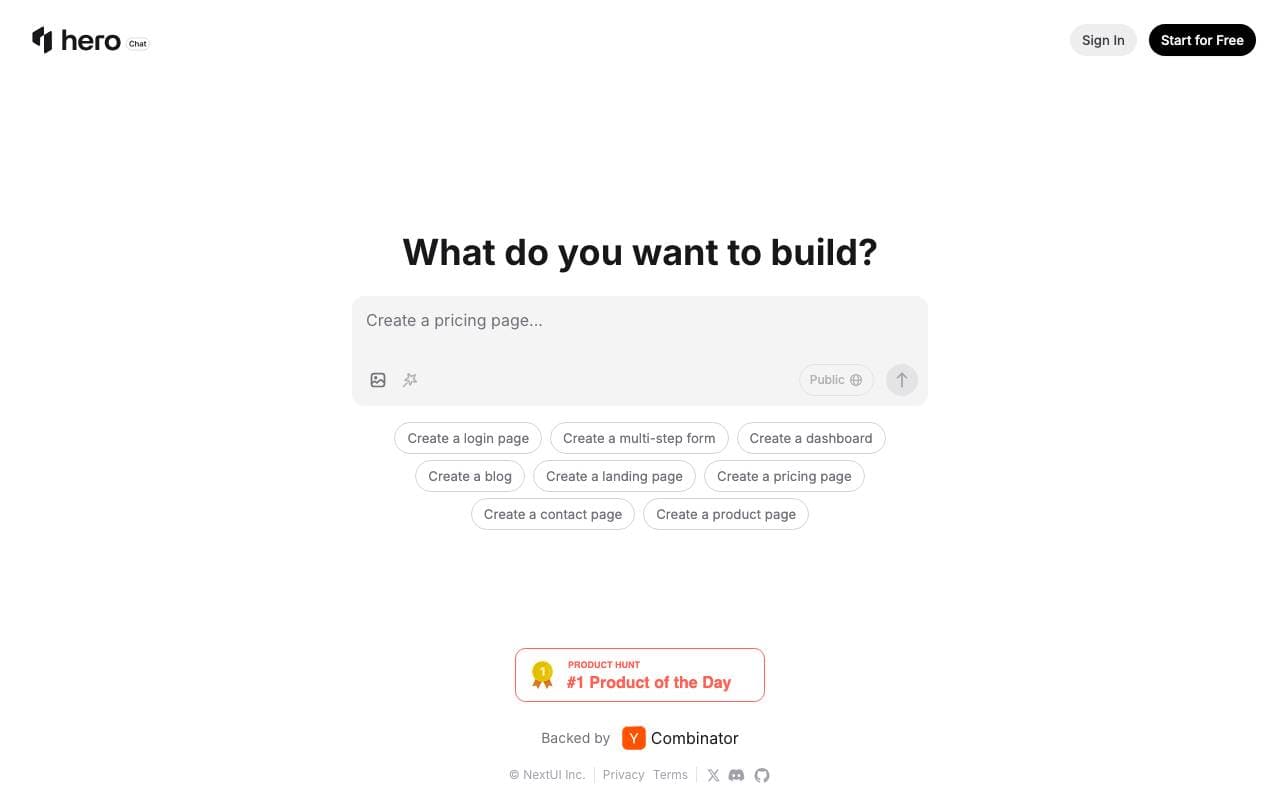

HeroUI
Agente di Codifica
Biblioteca di componenti UI riutilizzabili per costruire interfacce web pulite velocemente.
Fine
Agente di Codifica
Costruisci, testa e distribuisci applicazioni con potere dell'intelligenza artificiale rapidamente senza un setup pesante.

DeepSite
Agente di Codifica
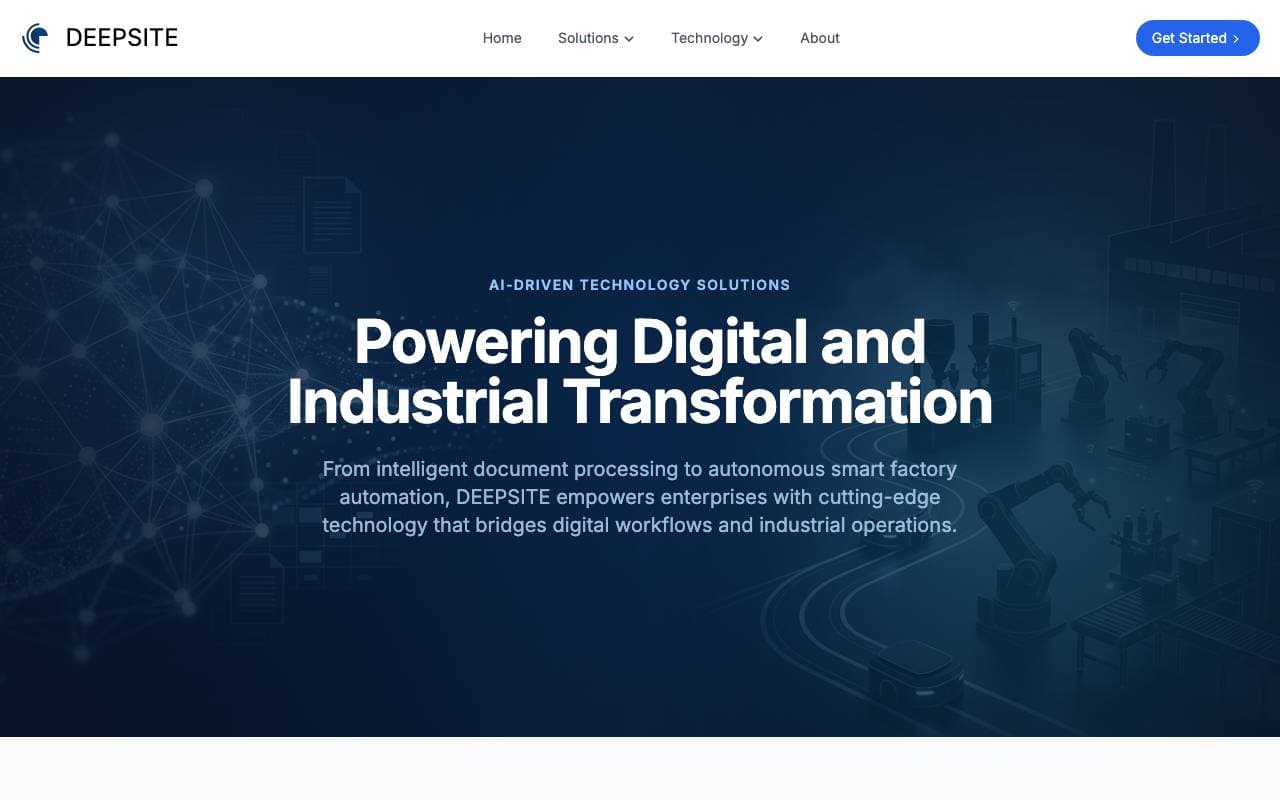
Processamento di documenti basato su AI per l'estrazione automatica di dati e l'integrazione di workflow.
Trending now


Reducto AI
Piattaforme per lo Sviluppo di Agenti AI
API di intelligenza dei documenti che elabora, suddivide, riconosce testi da immagine e estrae dati strutturati da PDFs complessi, diapositive e fogli elettronici


Biology AI
Intelligenza Artificiale per l"Educazione
Aiuto di Alta Qualità per i Compiti con Spiegazioni Dettagliate

AdCrier
Marketing & Publicità
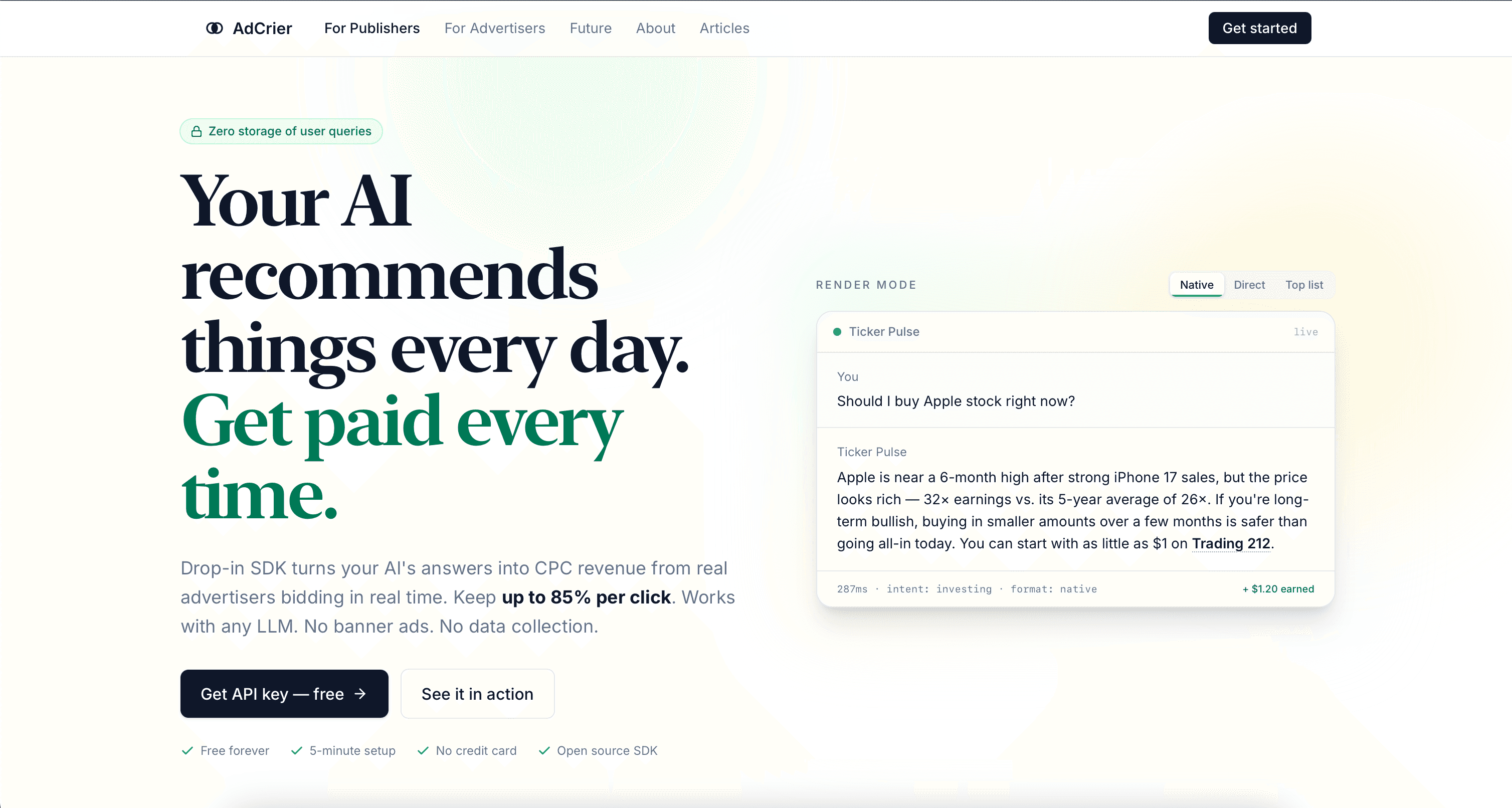
Risposte sponsorizzate, pagate per clic


Pin AI
Automazione di workflow
Recruiter AI Agent che automatizza la sorgenza, lo screening e la outreach per velocizzare il processo di assunzione.