WhispriNoteÜbersetze Stimme, Audio und YouTube-Links in strukturierte Lernnotizen mit Flowcharts.

Übersicht
Hauptfunktionen
- Sprach-zu-Notizen-Transkription
- Audio-Datei-Upload und -Verarbeitung
- YouTube-Link-Import
- Automatische Flowchart- Erzeugung
- Strukturierte Studien-bereite Ausgabe
- Zusammenfassung wichtiger Konzepte
Preise
- Modell
- Freemium
- Kategorie
- Forschungsassistenten
- Bewertung
- 5.0 / 5 (4)
Anwendungsfälle
Konvertiere Vorlesungs-Aufnahmen in Studien-Notizen
Hochladen der Audio-Aufnahmen von Vorlesungen, um strukturierte Zusammenfassungen, wichtige Punkte und Flowcharts für den leichteren Review vor Prüfungen zu generieren.
Verwandele YouTube-Tutorials in Referenz-Material
Einpasten eines YouTube-Links, um educational-Videos in organisierten Notizen mit visuellen Diagrammen zu transfomieren, ideal für Selbstgelehrtes Lernen
Erkenne mündliche Ideen während der Recherche
Benutze die Sprach-Eingabe, um Gedanken oder Gespräche zu diktierten und sofort gereinigte, strukturierte Notizen entgegennimmt, anstatt ungefäße Transkripte
Zusammenfassung von Podcasts für schnellen Review
Verarbeiten von Podcast-Audio-Dateien in zusammenfassende Zusammenfassungen und Flowcharts, um Lernende auf die wichtigen Konzepte ohne Wiederhören abzufedern
Pro & Contra
Pro
- Akzeptiert mehrere Eingabetypes: Stimme, Audio-Dateien und YouTube-Links
- Erzeugt Flowcharts neben geschriebenen Notizen
- Spart Zeit im Vergleich zu manuellem Notizen-fassen
- Nützlich für Vorlesungen, Tutorials und Selbststudium
Contra
- Qualität hängt von der Klarheit der Eingangs-Audio ab
- Kann sich Schwierigkeiten mit Fachsprache oder spezifischen Vokabularern leisten
- Hängt von der Verfügbarkeit von YouTube für Videoeingaben ab
Schlacht-Bilanz
Aus 1 Schlacht im Pantheon.
Last battle
Bewertungen
Durchschnitt aus 4 Bewertungen.
Melde dich an, um eine Bewertung abzugeben.

Skeptical, then convinced
I went in skeptical — most tools in this space overpromise. It actually delivers on summarization of key concepts, and useful for lectures, tutorials, and self-study caught me off guard. still, I'd recommend giving it a real trial.

Solid for our team
We rolled this out across the team last quarter and accepts multiple input types: voice, audio files, and YouTube links. YouTube link import fits neatly into how we already work, and automatic flowchart generation removed a step we used to do by hand. but it has held up under daily use.
Years in this space
I've evaluated a lot of these over the years. What stands out here is voice-to-notes transcription — handled better than most — and accepts multiple input types: voice, audio files, and YouTube links. Worth the time if this is your use case.

Skeptical, then convinced
I went in skeptical — most tools in this space overpromise. It actually delivers on voice-to-notes transcription, and accepts multiple input types: voice, audio files, and YouTube links caught me off guard. still, I'd recommend giving it a real trial.
Fragen & Antworten
Is there a steep learning curve to generate the study-ready output?
The interface is designed for students and researchers, requiring only a voice recording, audio file, or YouTube link; the rest is automated, so minimal training is needed.
Asked by Yara Mansour · Apr 3, 2026
What input formats are supported for audio uploads?
You can upload standard audio files (such as MP3, WAV, or AAC) and the system will process them into structured notes and visual flowcharts.
Asked by Piotr Baranowski · Feb 24, 2026
How does WhispriNote handle technical jargon or niche terminology?
The tool may struggle with specialized or highly technical jargon, so the accuracy of transcription and summarization can drop if the source audio includes uncommon terms.
Asked by Constantin Ionescu · Jan 31, 2026
Can I import a YouTube lecture directly and get both notes and a flowchart?
Yes, WhispriNote accepts YouTube links, transcribes the audio, summarizes key points, and automatically creates a flowchart to visualize the concepts.
Asked by Elif Yildiz · Jan 24, 2026
Frage stellen
Alternativen zu Forschungsassistenten

 LevelFields AIForschungsassistenten
KI-gesteuerte Plattform, die auf Ereignisse basierende Aktienhandelsideen liefert und die Investmentforschung automatisiert.

 Foundry.aiForschungsassistenten
Eine Technologie-Studio, das mit Unternehmen der Global 2.000 neue KI-Softwareprodukte und -Unternehmen entwickelt
GPT-4-getriebener autonomer Agent für Chemieforschung und Reaktivplanganpassung.

 Atria by Senso LabsForschungsassistenten
AI-Assistent für Architekten, der die Code-Konformität, die Nachhaltigkeitsanalyse und den Projekt-Datenaustausch vereinfacht.

 Ticker PulseForschungsassistenten
Entdecken Sie Trends im Finanzmarkt, bevor sie in den Titelseiten landen

 Unhosted AIForschungsassistenten
Kraftvollen AI-gesteuerten Krypto-Analyse-Assistenten für smartere, datengesteuerte Handelsentscheidungen.
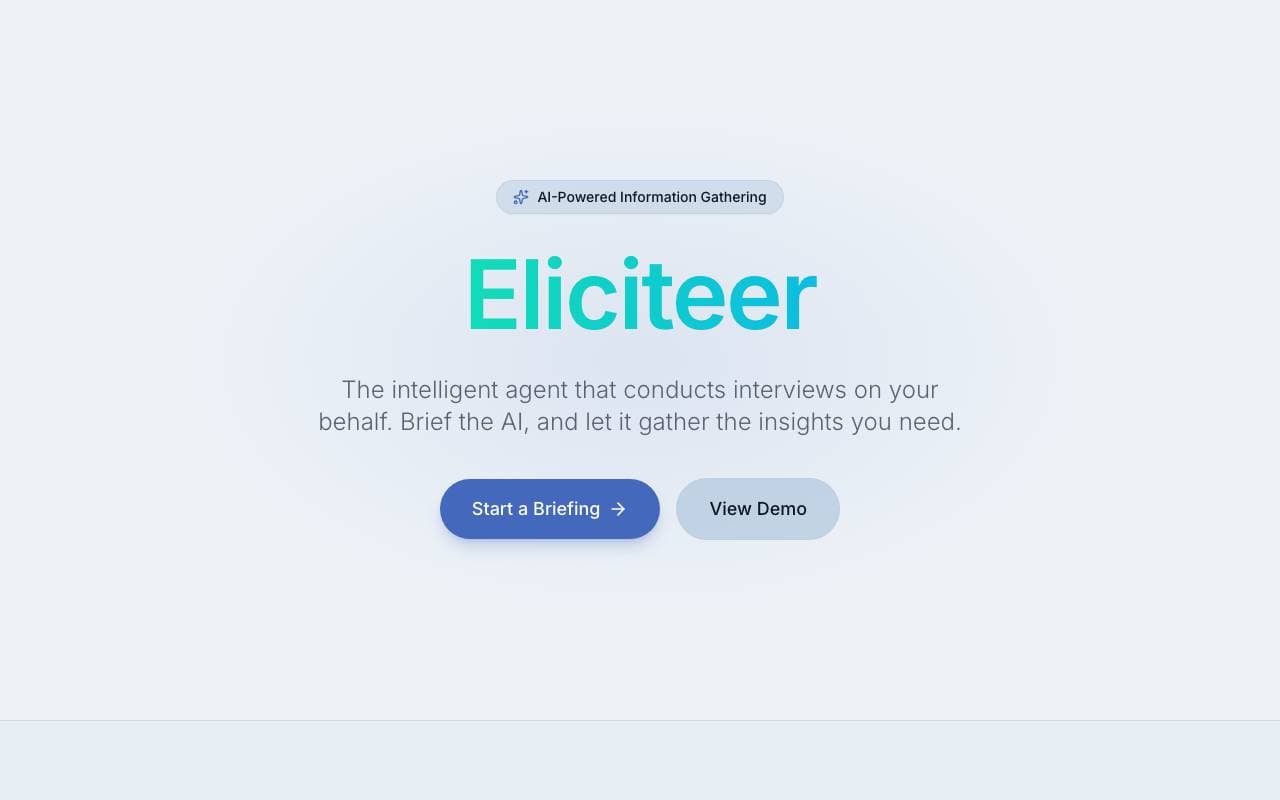
 EliciteerForschungsassistenten
KI-gestützte Interviews im großen Maßstab - kurz, Link teilen, strukturierte Erkenntnisse ohne Meetings.

 LegoraForschungsassistenten
Eine kollaborative KI-Plattform, die juristische Teams dabei unterstützt, Revisionen, Entwürfe und Recherchen schneller, präziser und im großen Maßstab durchzuführen.
Trending now

 Biology AIBildung AI
Genaue Hilfe bei Hausaufgaben mit ausführlichen Erklärungen

 Reducto AIPlattformen für die Entwicklung von Agenten mit künstlicher Intelligenz
Intelligenter Dokument API zur Analyse, Trennung, OCR-Analyse und Strukturierung von komplexen PDFs, Präsentationen und Tabellenkalkulationen.

 Pixtral 12B 24.09Large Language Model
Offenes multimodales 12B-Modell, das ineinander verschachtelte Bilder und Text mit einem Kontextfenster von 128 K verarbeitet.
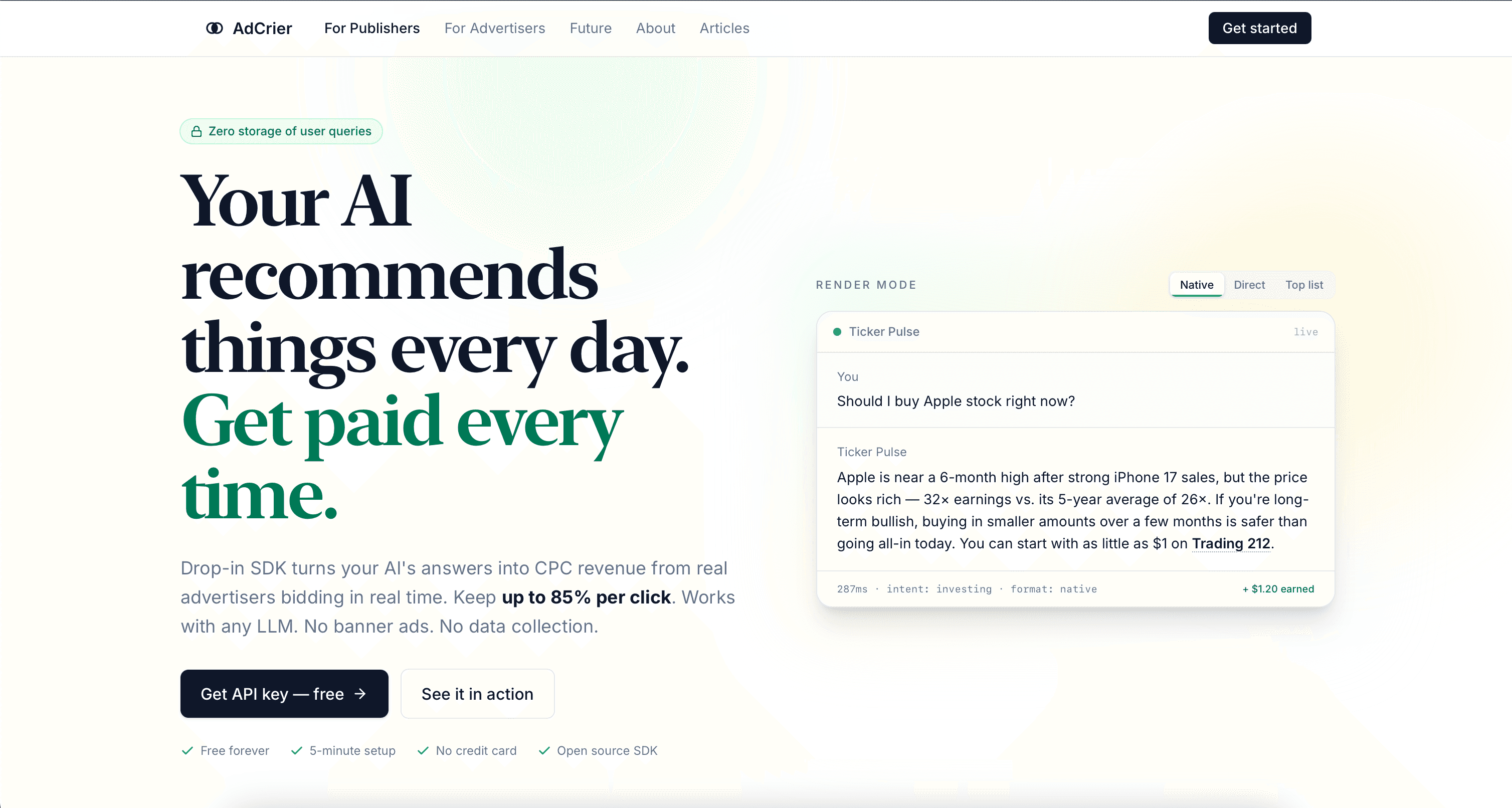
 AdCrierMarketing & Werbung
Gepflichtete Antworten mit Provision pro Klick.