
OneReach.aiNo-Code-Plattform zum Erstellen multimodaler AI-Agenten, die Arbeit über Sprache, Chat und Apps automatisieren

Übersicht
Hauptfunktionen
- Visueller No-Code-Agentenbauer (Generative Studio X)
- Unterstützung von Sprach-, Chat-, E‑Mail- und Messaging-Kanälen
- Integrationen mit Unternehmenssystemen und APIs
- Auswahl an zugrundeliegenden LLMs und AI-Modellen
- Analyse-, Überwachungs- und Governance-Tools
- Bibliothek wiederverwendbarer Skills und Agenten-Komponenten
Preise
- Modell
- Freemium
- Kategorie
- KI-Agente
- Bewertung
- 5.0 / 5 (4)
Anwendungsfälle
Omnichannel-Kundenservice-Agenten
AI-Agenten über Sprache, SMS, Web‑Chat und E‑Mail einsetzen, um Kundenanfragen zu bearbeiten, Backend‑Prozesse auszulösen und komplexe Fälle bei Bedarf an menschliche Agenten weiterzuleiten.
Interner Mitarbeiter Service Desk
Agenten in Microsoft Teams oder Slack erstellen, die Mitarbeiterfragen beantworten, IT‑ oder HR-Anfragen automatisieren und ohne Code mit Unternehmenssystemen verbinden.
Skalierte Workflow-Orchestrierung
Generative Studio X nutzen, um wiederverwendbare Agenten‑Skills zu entwerfen, die mehrstufige Geschäftsprozesse über APIs und LLMs orchestrieren, mit Governance‑ und Analysefunktionen für die Kontrolle.
Sprachgesteuerte Prozessautomatisierung
Sprachagenten erstellen, die Kunden oder Mitarbeiter datenbasiert abfragen und Transaktionen geräuschlos ausführen lassen, integriert in bestehende Backend‑Plattformen und gewählte LLMs.
Pro & Contra
Pro
- Echtno-Code-Entwurf von Agenten mit visuellen Flows
- Multimodale und Omnichannel-Unterstützung sofort einsatzbereit
- LLM-agnostisch mit breiten Unternehmensintegrationen
- Starker Fokus auf Orchestrierung und wiederverwendbare Komponenten
Contra
- Enterprise-Preisgestaltung nicht für kleine Teams geeignet
- Lernkurve für fortgeschrittene Orchestrierungsfunktionen
- Volle Wertschöpfung erfordert IT- und Integrationsbeteiligung
Bewertungen
Durchschnitt aus 4 Bewertungen.
Melde dich an, um eine Bewertung abzugeben.

Solid for our team
We rolled this out across the team last quarter and truly no-code agent design with visual flows. Visual no-code agent builder (Generative Studio X) fits neatly into how we already work, and reusable skills and agent components library removed a step we used to do by hand. but it has held up under daily use.
Skeptical, then convinced
I went in skeptical — most tools in this space overpromise. It actually delivers on integrations with enterprise systems and APIs, and lLM-agnostic with broad enterprise integrations caught me off guard. still, I'd recommend giving it a real trial.
Use it every day
Honestly didn't expect to like it this much. Choice of underlying LLMs and AI models is exactly what I needed, and multimodal and omnichannel support out of the box. but I reach for it almost every day now and it just clicks.
Compared a few options
Evaluated this against two competitors. Where it wins: voice, chat, email, and messaging channel support and multimodal and omnichannel support out of the box. Where it lags: learning curve for advanced orchestration features. On balance the feature set — especially analytics, monitoring, and governance tools — justifies the 5 stars for our use case.
Fragen & Antworten
What happens to our agents and configurations if we end the contract?
You keep them. All system configurations are exportable, and you own the IP. Unlike SaaS platforms where capability disappears at contract end, your architecture remains yours.
Asked by Femi Adebayo · Jan 7, 2026
Can we really classify this as CapEx?
Many enterprises do. Because you own the source code, orchestration logic, and configurations, GSX is treated as a capital asset rather than an operating expense by a significant portion of our customers. We recommend confirming with your finance team, but we can provide documentation that supports the classification.
Asked by Wesley Adekunle · Dec 11, 2025
What's actually included in token pass-through? No markup at all?
Correct. Within your PDE, base costs for AI model tokens, cloud compute, telco, and storage are passed through directly. You can also bring your own API keys for third-party cognitive services, which routes costs entirely outside the contract.
Asked by Nadia Benali · Dec 10, 2025
What does the service model look like?
Three options: fully managed (design, build, and run), pure infrastructure (you build, we provide the platform), or a combination. 24/7 support is standard across all three.
Asked by Oscar Lindqvist · Dec 10, 2025
Do we have to use OneReach-managed infrastructure, or can we deploy into our own cloud?
Either. GSX can be hosted by OneReach.ai or deployed into your own cloud tenant. For organizations with data sovereignty requirements, private deployment is the standard path.
Asked by Greta Nowak · Nov 30, 2025
Frage stellen
Alternativen zu KI-Agente


Zapier's Agents
KI-Agente
Mit künstlicher Intelligenz betriebene Agenten, die Workflows in über 7.000 vernetzten Apps automatisieren
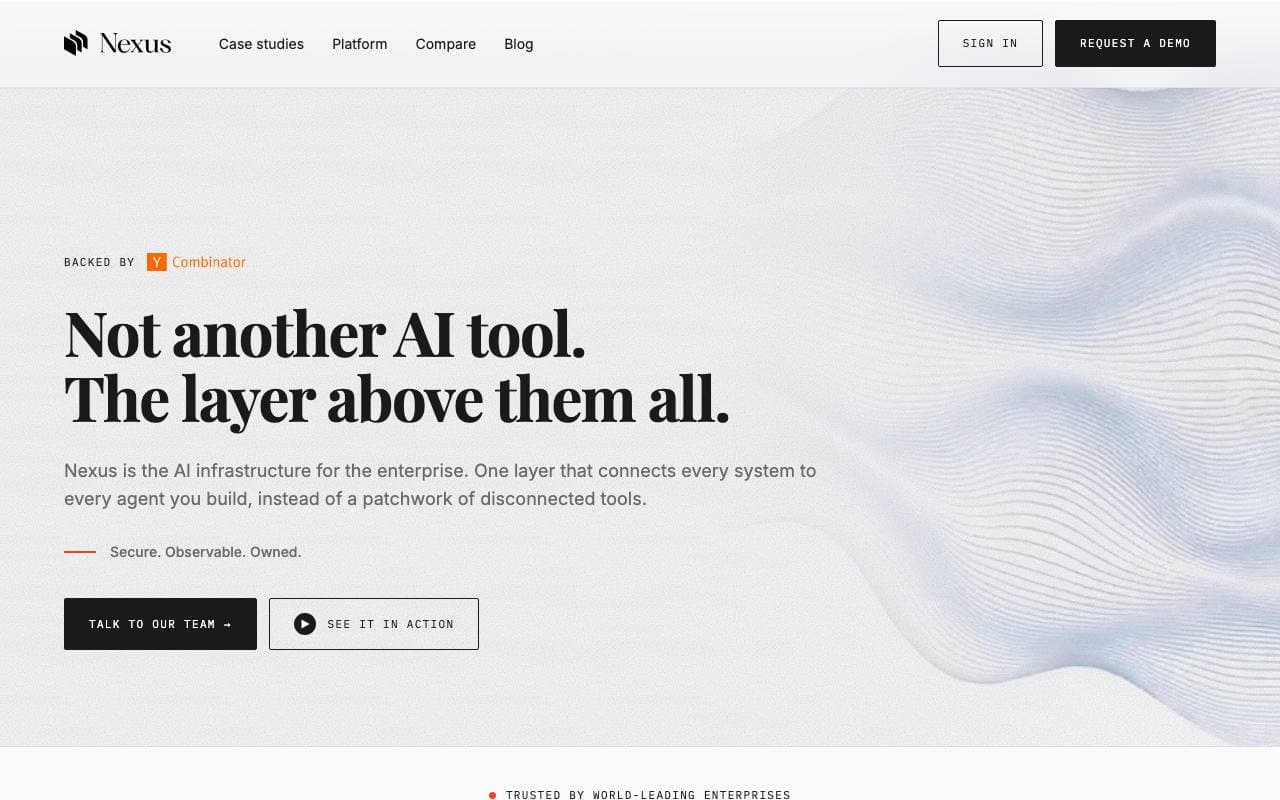

NexusGPT
KI-Agente
No-code-Plattform zum Erstellen und Bereitstellen von individuellen KI-Agenten zur Automatisierung von Geschäftsabläufen.
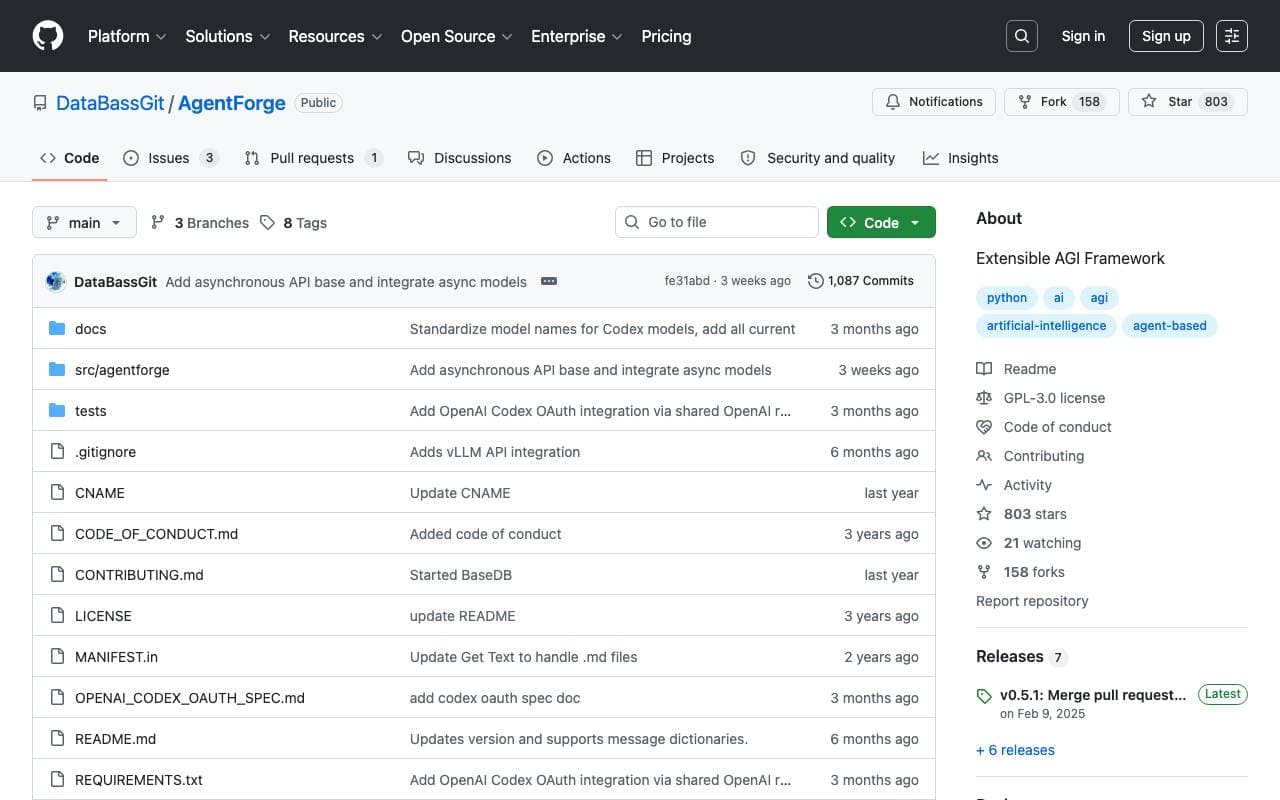

AgentForge
KI-Agente
Low-Code-Framework zur Erstellung autonomer KI-Agenten und kognitiver Architekturen


Maps Scraper AI
KI-Agente
Ein KI-gesteuertes Tool, das die Extraktion von Geschäftsdaten aus Google Maps automatisiert und die Lead-Generierung sowie Marktforschung verbessert.

Momentic AI
KI-Agente
Softwaretests schreiben, beheben und ausführen – mit einfachen englischen Befehlen

Micro Agent
KI-Agente
AI-Coding-Agent, der Code iteriert, bis deine Tests bestanden sind


Mogoj AI
KI-Agente
KI-gesteuerte Arbeitsablaufoptimierung und Geschäftsprozessautomatisierung


Charisma.ai
KI-Agente
Immersive konversationale AI für interaktive Geschichten, Ausbildung und Marketingkampagnen
Trending now


Reducto AI
Plattformen für die Entwicklung von Agenten mit künstlicher Intelligenz
Intelligenter Dokument API zur Analyse, Trennung, OCR-Analyse und Strukturierung von komplexen PDFs, Präsentationen und Tabellenkalkulationen.
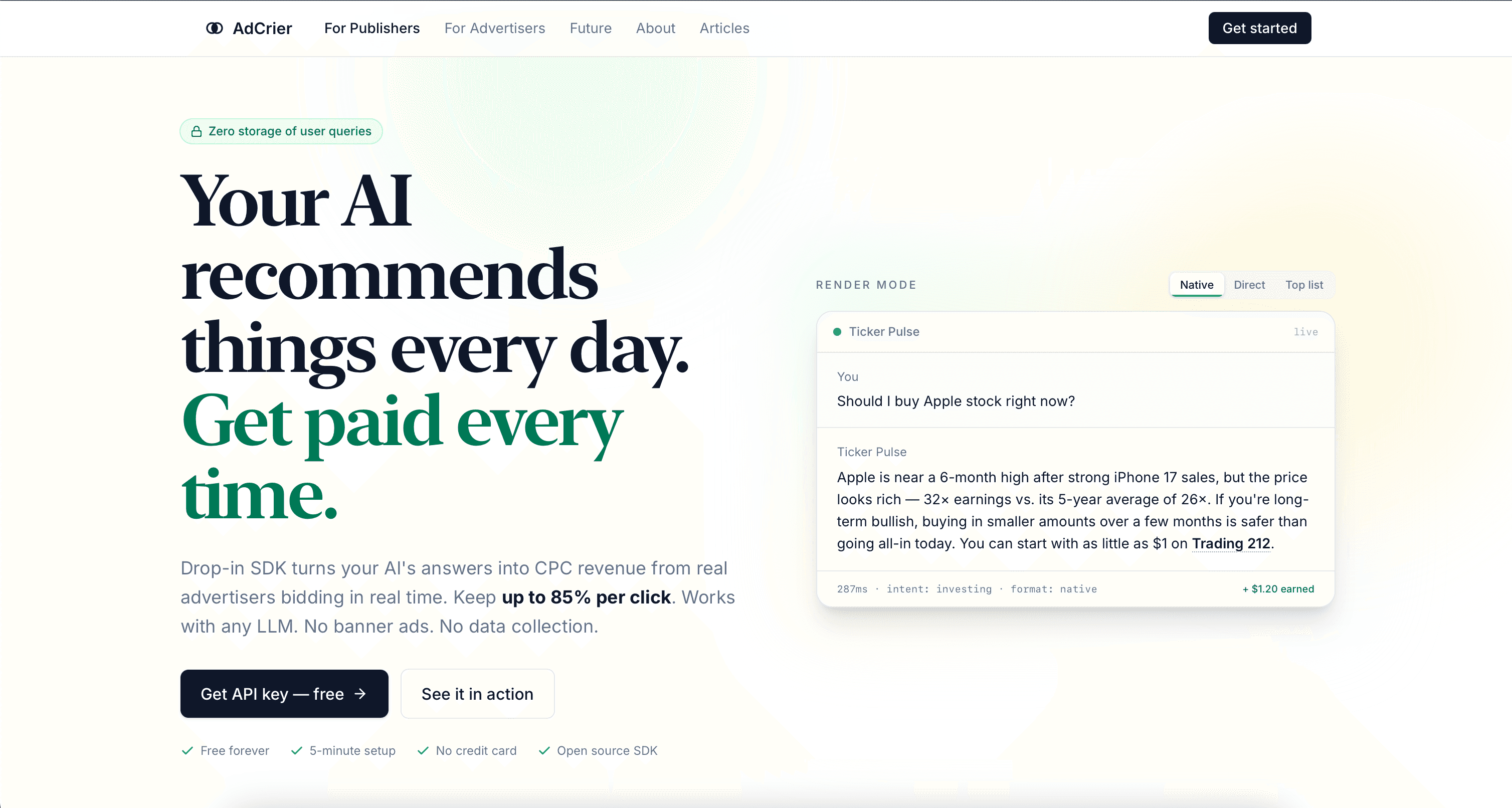

AdCrier
Marketing & Werbung
Gepflichtete Antworten mit Provision pro Klick.


Biology AI
Bildung AI
Genaue Hilfe bei Hausaufgaben mit ausführlichen Erklärungen
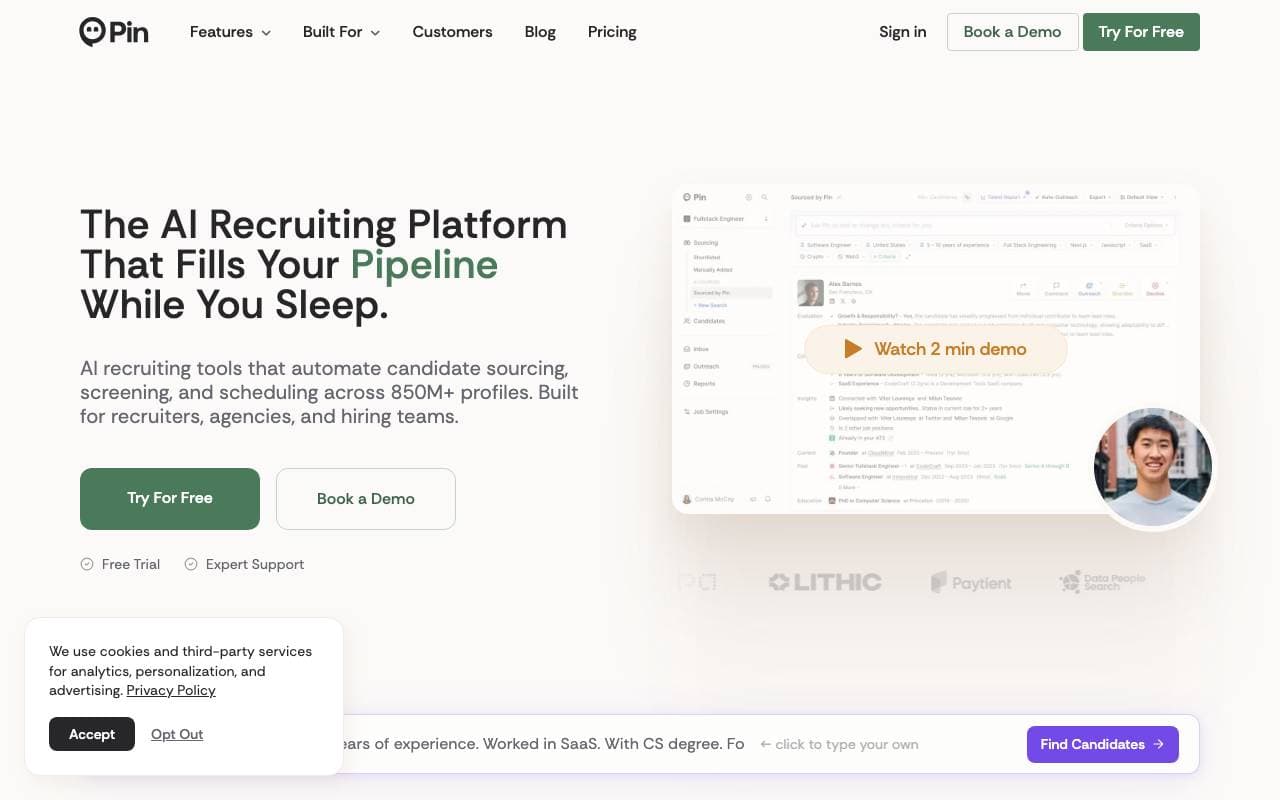

Pin AI
Arbeitsablaufautomatisierung
Agentic AI Recruiter, der Sourcing, Screening und Outreach automatisiert, um den Einstellungsprozess zu beschleunigen.