
Motion Control AIDirekte KI-Video-Bewegung mit präziser, frame‑basierten Kamerapositionierung und Subjektsteuerung

Übersicht
Hauptfunktionen
- Richtungsbasierte Kamerabewegungssteuerungen
- Anpassbare Bewegungsstärke und Geschwindigkeit
- Unterstützung von Bild‑zu‑Video‑Animationen
- Kompatibel mit Kling-Generierungsmodellen
- Rendern von Kurzclips für soziale Medienformate
- Prompt- und Bewegungsparameter-Workflow
Preise
- Modell
- Free
- Kategorie
- KI-Video-Agenten
- Bewertung
- 4.5 / 5 (4)
Anwendungsfälle
Produktion von Kurzvideos für soziale Medien
Erstelle Kurzclips für soziale Plattformen mit kontrollierten Kamerabewegungen und Bewegungsintensität und erziele verfeinerte Ergebnisse ohne langwierige Prompt‑Iteration.
Werbekonzeptentwicklung
Erstelle schnell Werbevarianten mit richtungsabhängigen Kamerarouten und anpassbarer Bewegung, um Marketers visuelle Ideen vor der endgültigen Produktion testen zu lassen.
Musikvisualisierung
Animierte Standbilder oder Konzeptrahmen in musikgetriebene Visuals umwandeln, indem Bewegungsstärke und Richtungssteuerung für rhythmusgerechte Bewegung verwendet werden.
Previsualisierung für Film und Video
Erstelle Previs-Clips mit definierten Kamerarouten und Subjektbewegungen, um Regisseuren und Kreativen ein vorhersagbares Vorschauelement vor der Live‑Produktion zu bieten.
Pro & Contra
Pro
- Feingesteuerte Kontrolle über Kamera- und Subjektbewegungen
- Besser vorhersehbare Ergebnisse als bei Prompt‑only‑Videotools
- Nützlich für Previs, Werbung und Social‑Content
- Kompatibel mit Bild‑zu‑Video‑Startrahmen
Contra
- Lernkurve für Bewegungsparameter
- Qualität der Ausgabe hängt von Ausgangsbilden und Prompten ab
- Kredit- oder Abonnementkosten können sich summieren
- Begrenzte Feingesteuerung im Vergleich zu traditionellen 3D‑Tools
Bewertungen
Durchschnitt aus 4 Bewertungen.
Melde dich an, um eine Bewertung abzugeben.

Compared a few options
Evaluated this against two competitors. Where it wins: compatible with Kling generation models and more predictable output than prompt-only video tools. On balance the feature set — especially image-to-video animation support — justifies the 5 stars for our use case.
Does the job
Pretty happy overall. Adjustable motion strength and speed just works and works with image-to-video starting frames. but no dealbreakers — I'd recommend it to a friend without hesitating.
Use it every day
Honestly didn't expect to like it this much. Prompt plus motion-parameter workflow is exactly what I needed, and useful for previs, ads, and social content. I do wish credit or subscription costs can add up, but I reach for it almost every day now and it just clicks.

Skeptical, then convinced
I went in skeptical — most tools in this space overpromise. It actually delivers on prompt plus motion-parameter workflow, and works with image-to-video starting frames caught me off guard. Learning curve for motion parameters is why this isn't a perfect score, still, I'd recommend giving it a real trial.
Fragen & Antworten
Is there a steep learning curve for the motion parameters, and how does pricing affect usage?
While the motion‑brush and camera controls are intuitive, mastering the parameter settings takes some practice; the service operates on a credit or subscription model, so extensive use—especially for many clips—can increase costs.
Asked by Daniel Schmidt · Oct 4, 2025
What integrations does Motion Control AI support for its rendering pipeline?
The tool is built to work with Kling generation models (e.g., Kling 2.6) and fits into Kling‑based pipelines, allowing you to combine text or image prompts with its motion parameters for short‑form social, ad, or previsualization content.
Asked by Oksana Melnyk · Aug 25, 2025
Can I start an animation from a still image, and what are the limits?
Yes, you can upload a character image (up to 10 seconds of generated video) and use the motion brush or reference video to animate it; output quality depends on the source image clarity and the prompts you provide.
Asked by Rosalind Frost · Jul 17, 2025
How does Motion Control AI let me control camera movement compared to prompt‑only video generators?
It adds a UI for defining camera paths, motion intensity, and direction, so you can set frame‑by‑frame camera trajectories instead of relying solely on text prompts, resulting in more predictable motion in short clips.
Asked by Henrik Dahl · Jul 17, 2025
Frage stellen
Alternativen zu KI-Video-Agenten

 imagetovideoaiKI-Video-Agenten
Verwandeln Sie Stillfotos in kinematografische AI-generierte Videos mit mehreren Modellen in einem Workspace.
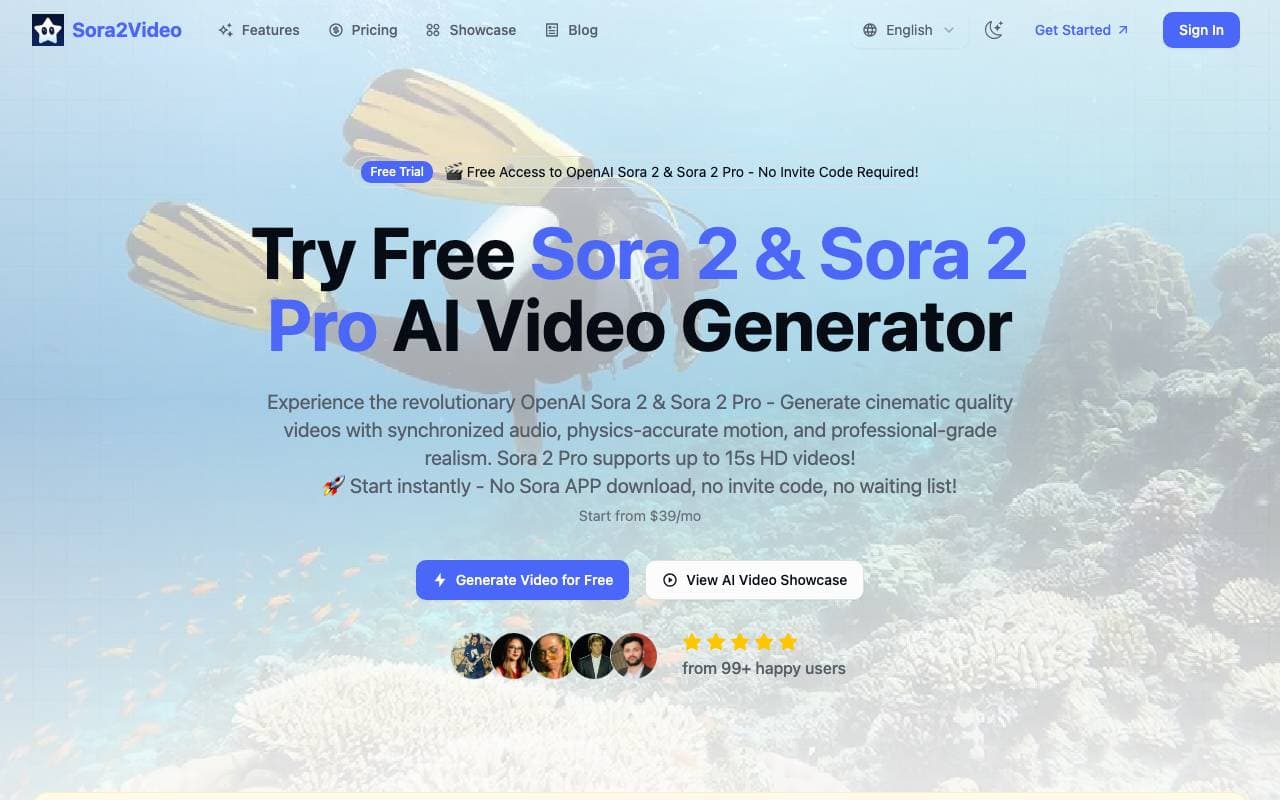
 Sora2videoKI-Video-Agenten
Kostenlose webbasierte AI-Videogenerator auf Basis von Sora 2 und Sora 2 Pro-Modellen.

 Vidan.aiKI-Video-Agenten
Umwandelt normale Kamera in intelligente Visionssysteme.

 Seedance AIKI-Video-Agenten
KI-basierte Videogenerierung mit Charakterkonsistenz und synchronisiertem Ton

 Video Background RemoverKI-Video-Agenten
Online-Tool für die automatische Entfernung oder Ersetzung von Hintergründen in Video-Übertragungen.
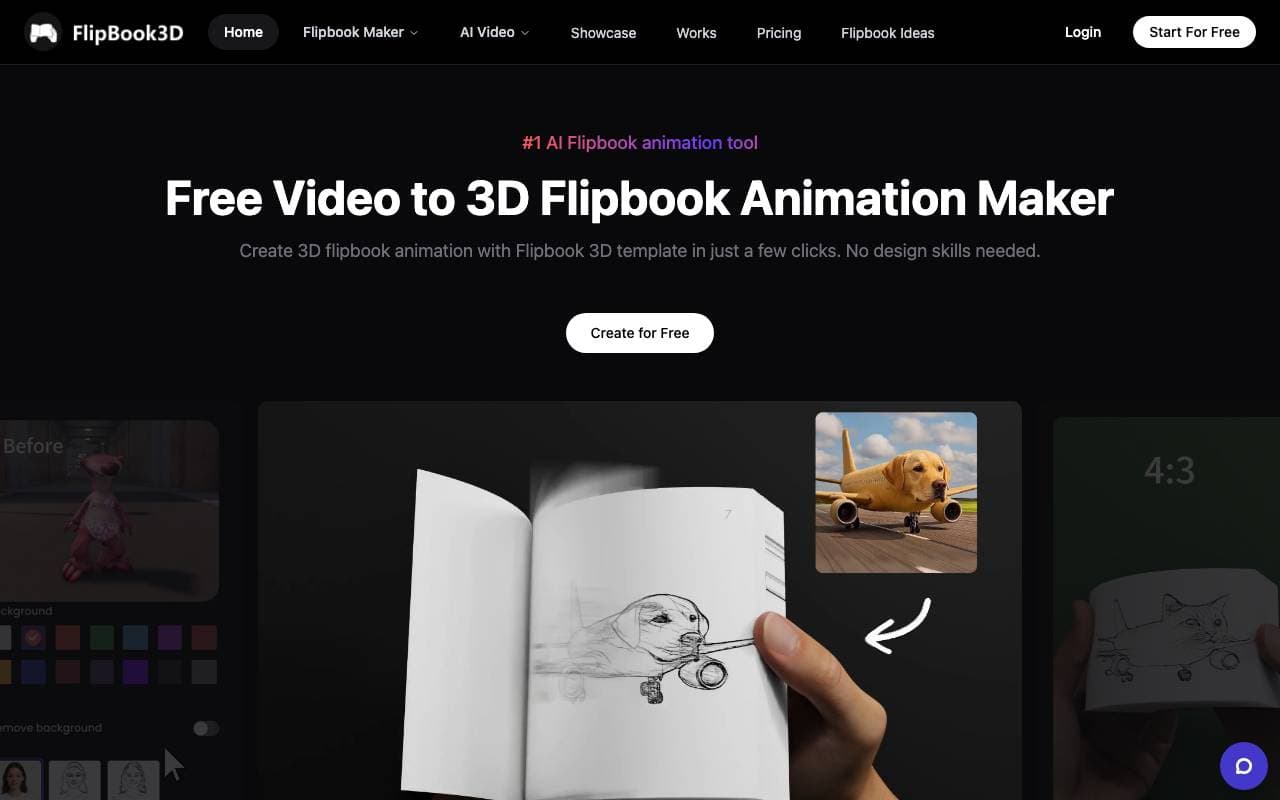
 Flipbook3DKI-Video-Agenten
Verwandeln Sie Videos in realistische 3D-Flipbooks, mit denen Sie durch die einzelnen Bilder blättern können.
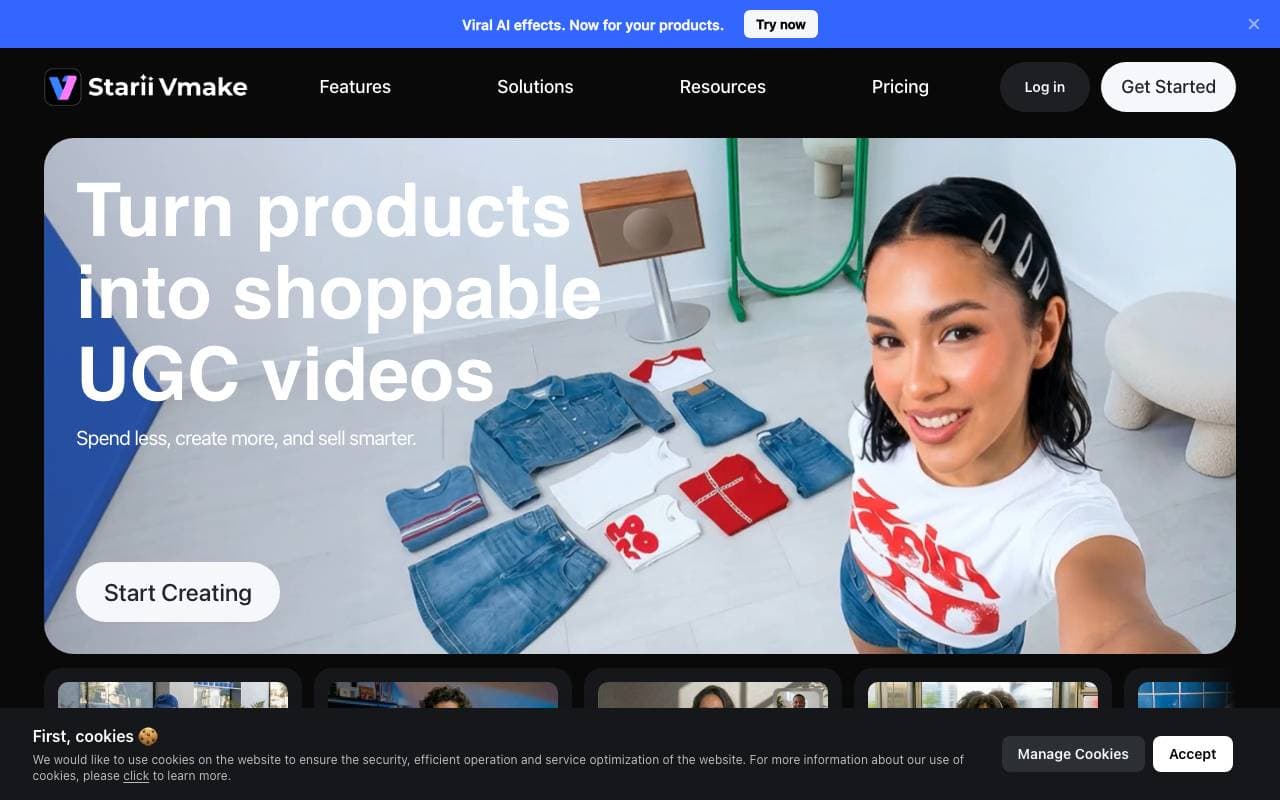
 VmakeKI-Video-Agenten
Studio für künstliche Intelligenz zum Erstellen von Talking-Head- und Produktvideos aus Text, Fotos oder Skripten

 GoViralTrend - Al TikTok TrendKI-Video-Agenten
AI-gesteuerter Entdeckungsprozess für TikTok-Trendmacher und Script-Generator für Kurzform-Content
Trending now

 Reducto AIPlattformen für die Entwicklung von Agenten mit künstlicher Intelligenz
Intelligenter Dokument API zur Analyse, Trennung, OCR-Analyse und Strukturierung von komplexen PDFs, Präsentationen und Tabellenkalkulationen.

 AdCrierMarketing & Werbung
Gepflichtete Antworten mit Provision pro Klick.

 Biology AIBildung AI
Genaue Hilfe bei Hausaufgaben mit ausführlichen Erklärungen

 Pixtral 12B 24.09Large Language Model
Offenes multimodales 12B-Modell, das ineinander verschachtelte Bilder und Text mit einem Kontextfenster von 128 K verarbeitet.