MetaGPTMulti-Agenten KI-Framework, das Einzeiler-Ideen in funktionsfähige Softwareprojekte verwandelt

Übersicht
Hauptfunktionen
- Simulation eines Softwareteams aus KI-Agenten
- Einzeiliger Prompt bis zur vollständigen Projektpipeline
- Erzeugt PRDs, Systemdesigns und Code
- Konfigurierbare Rollen und SOPs
- Kompatibel mit GPT, Claude und lokalen Modellen
- CLI und Python API
Preise
- Modell
- Freemium
- Kategorie
- Softwareentwicklung
- Bewertung
- 4.5 / 5 (4)
Anwendungsfälle
Schnelles Prototyping aus einer Einzeiligen Idee
Geben Sie einen kurzen Prompt an und lassen Sie das Agenten-Team PRDs, Entwürfe und Starter-Code erzeugen, um schnell ein Proof-of-Concept-Projekt zu skizzieren.
Experimentieren mit Agenten-Orchestrierung
Forscher und Entwickler können Rollen und SOPs konfigurieren, um zu untersuchen, wie Multi-Agenten-Workflows über Produkt-, Architektur-, Engineering- und QA-Aufgaben hinweg zusammenarbeiten.
Erstellung von Software-Design-Artefakten
Erzeugen von strukturierten Anforderungsdokumenten, Systemdesigns und Diagrammen, um die Dokumentation für neue interne Projekte oder Hackathons zu starten.
Selbstgehosteter AI-Entwicklungsworkflow
Führen Sie MetaGPT lokal mit GPT, Claude oder lokalen Modellen aus, um Code und Prompts privat zu halten und gleichzeitig KI-unterstützte Entwicklungs-Pipelines zu erkunden.
Pro & Contra
Pro
- Open-Source und selbsthostbar
- Strukturierter Multi-Role-Agenten-Workflow
- Erstellt Dokumente, Diagramme und Code
- Unterstützt mehrere LLM-Anbieter
- Nützlich für schnelles Prototyping
Contra
- Ausgabe erfordert häufig manuelle Nachbearbeitung
- Token-Kosten summieren sich bei größeren Projekten
- Schwierigkeiten mit komplexen Codebasen
- Setup erfordert technisches Wissen
Bewertungen
Durchschnitt aus 4 Bewertungen.
Melde dich an, um eine Bewertung abzugeben.

Years in this space
I've evaluated a lot of these over the years. What stands out here is compatible with GPT, Claude, and local models — handled better than most — and produces docs, diagrams, and code. Setup requires technical knowledge is my one real gripe. Worth the time if this is your use case.
Years in this space
I've evaluated a lot of these over the years. What stands out here is configurable roles and SOPs — handled better than most — and supports multiple LLM providers. Token costs add up on larger projects is my one real gripe. Worth the time if this is your use case.
Skeptical, then convinced
I went in skeptical — most tools in this space overpromise. It actually delivers on simulated software team of AI agents, and supports multiple LLM providers caught me off guard. Setup requires technical knowledge is why this isn't a perfect score, still, I'd recommend giving it a real trial.
Skeptical, then convinced
I went in skeptical — most tools in this space overpromise. It actually delivers on compatible with GPT, Claude, and local models, and open source and self-hostable caught me off guard. still, I'd recommend giving it a real trial.
Fragen & Antworten
Is MetaGPT suitable for production-ready systems?
No, MetaGPT is best suited for prototyping, exploring AI agent orchestration, and generating starting points for small to mid-sized projects, rather than shipping production-ready systems unsupervised.
Asked by Wesley Adekunle · Mar 9, 2026
What are the pros and cons?
Pros: open source, structured workflow, produces docs and code, supports multiple LLM providers. Cons: output needs manual cleanup, token costs add up, struggles with complex codebases, setup requires technical knowledge.
Asked by Ravi Kapoor · Feb 28, 2026
What are the key features?
Key features include a simulated software team, one-line prompt to full project pipeline, generates PRDs and code, configurable roles and SOPs, and compatibility with GPT, Claude, and local models.
Asked by Esther Adeyemi · Dec 31, 2025
How does MetaGPT work?
MetaGPT is a multi-agent framework that simulates a software company, assigning AI roles to produce requirements documents, design specs, code, and tests from a short prompt.
Asked by Quoc Bui · Dec 27, 2025
Frage stellen
Alternativen zu Softwareentwicklung
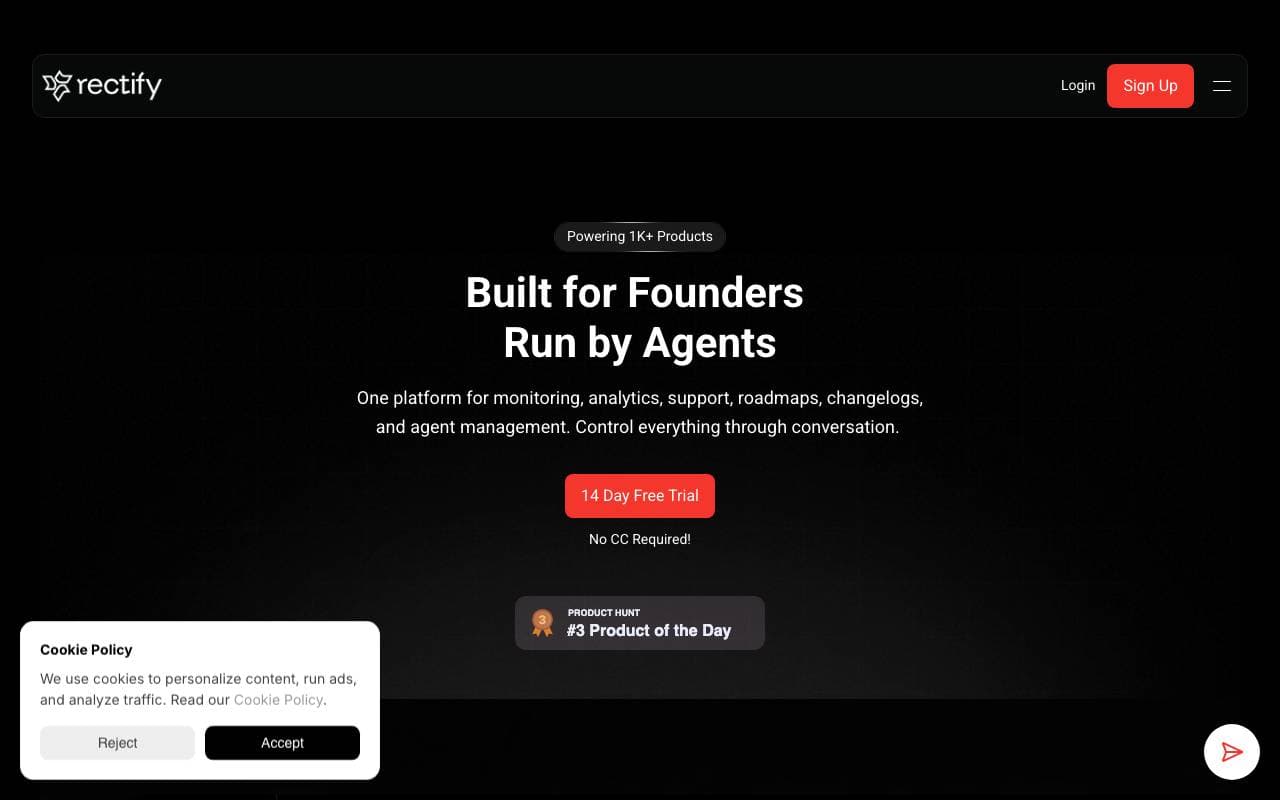
Rectify
Softwareentwicklung
Intelligente Debugging-Assistentin, die Entwickler dabei hilft, schnell AI-erzeugte Codefehler zu finden und zu fixen.


SwarmStack
Softwareentwicklung
KI-Agent für Produktplanung, -abstimmung und -rekonstruktionen


Warp AI
Softwareentwicklung
Terminal-App mit KI-Steuerelement, die natürliche Sprache in Befehle und Workflows umwandelt
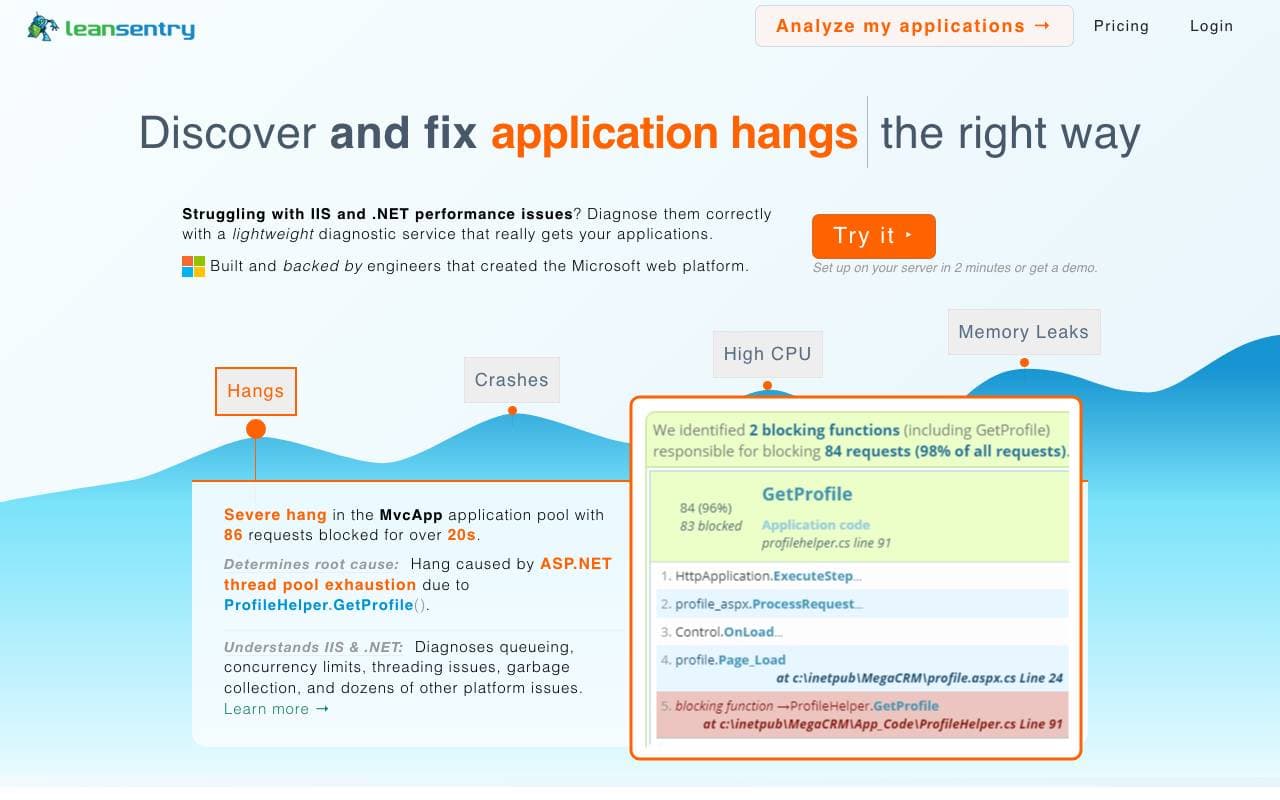

LeanSentry
Softwareentwicklung
KI-gestützte Diagnostik und Überwachung für IIS- und ASP.NET-Leistungsprobleme.


CopyChecker AI Reverse Image Search
Softwareentwicklung
Reverse-Bildersuche, um originale Quellen zu finden und Duplikate oder ähnliche Bilder zu erkennen.


OG Pilot
Softwareentwicklung
Ein-Klick-OG-Bildgenerator für schnellere, besser aussehende Linkvorschauen.
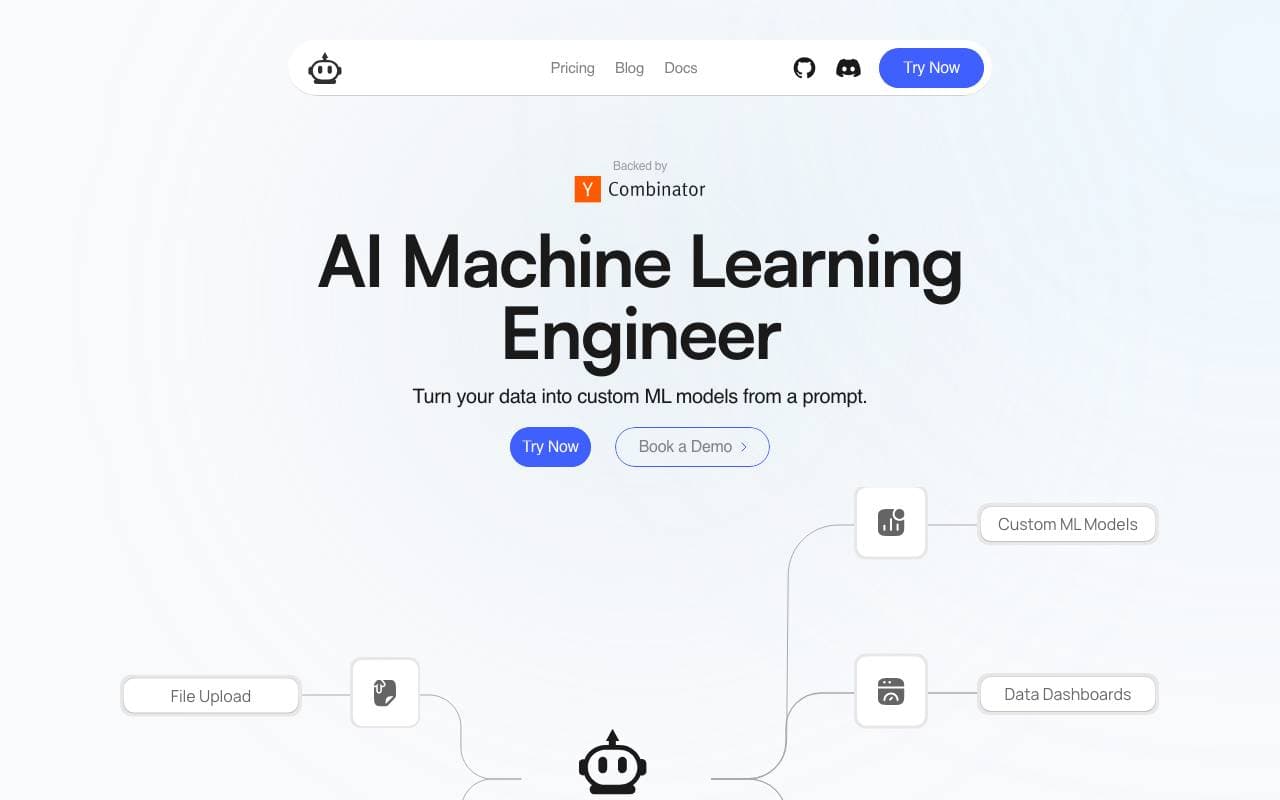

Plexe
Softwareentwicklung
Baue individuelle Machine‑Learning‑Modelle aus natürlicher Sprache
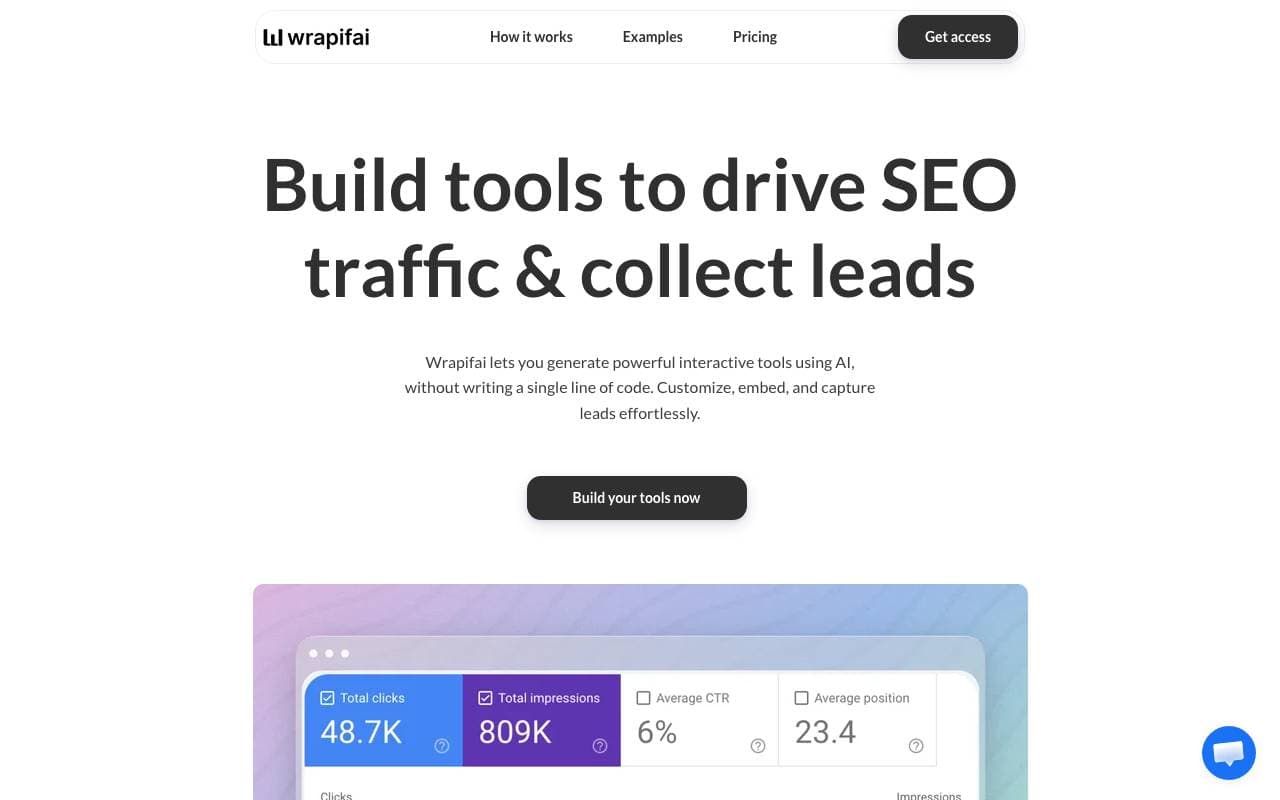

Wrapifai
Softwareentwicklung
Ohne Programmierkenntnisse miniature AI-Werkzeuge erstellen, um SEO-Verkehr anzuziehen und Leads zu fangen.
Trending now


Reducto AI
Plattformen für die Entwicklung von Agenten mit künstlicher Intelligenz
Intelligenter Dokument API zur Analyse, Trennung, OCR-Analyse und Strukturierung von komplexen PDFs, Präsentationen und Tabellenkalkulationen.
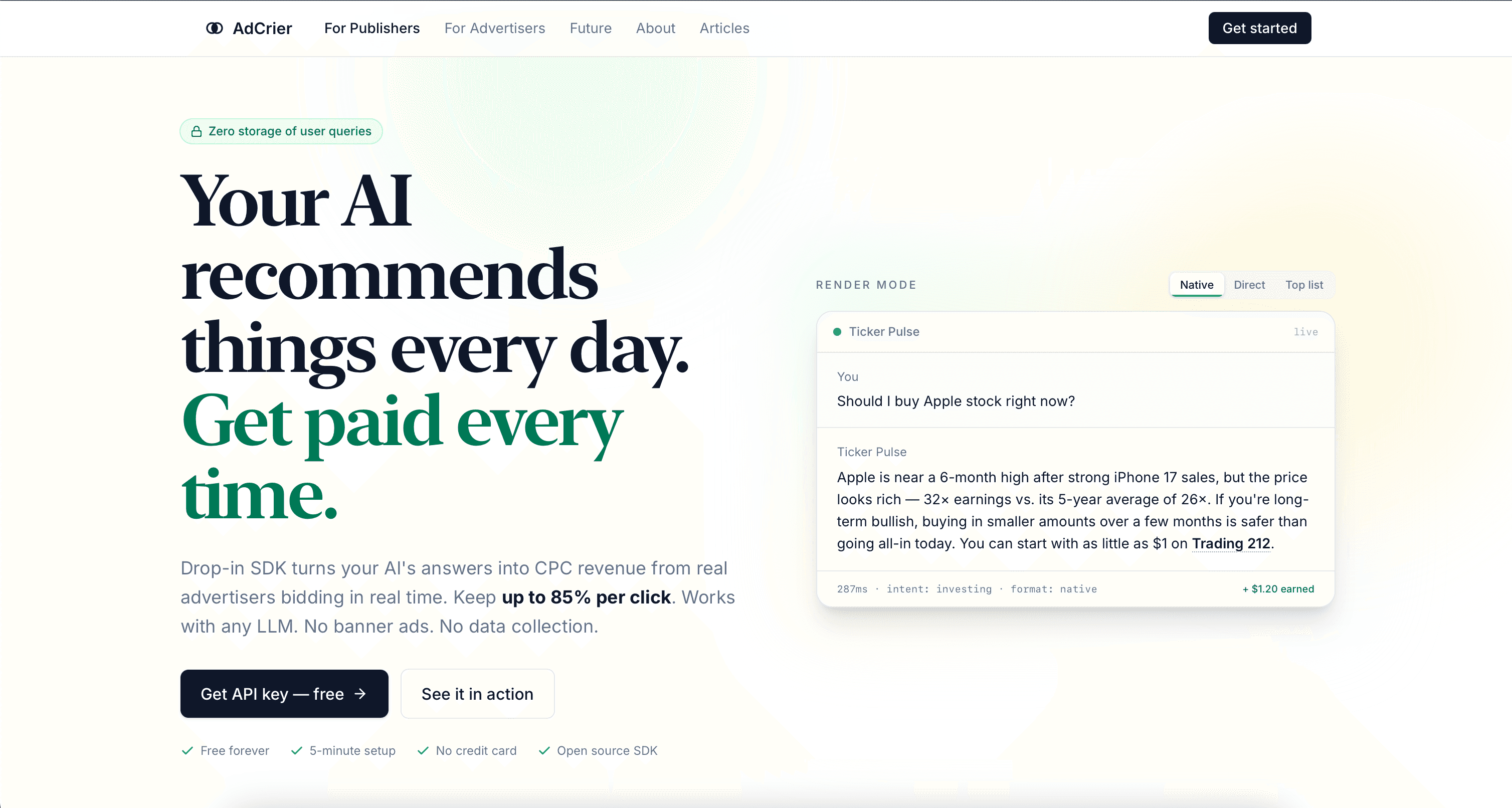

AdCrier
Marketing & Werbung
Gepflichtete Antworten mit Provision pro Klick.


Biology AI
Bildung AI
Genaue Hilfe bei Hausaufgaben mit ausführlichen Erklärungen
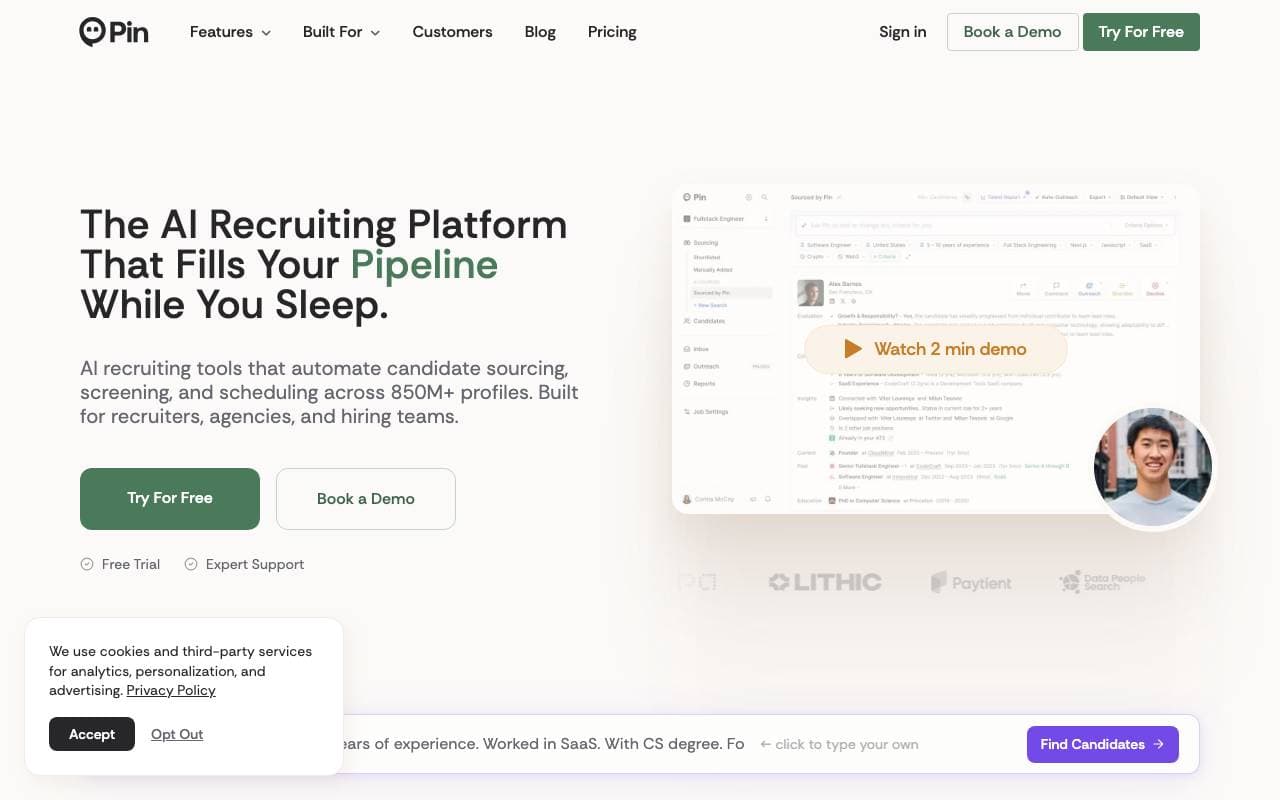

Pin AI
Arbeitsablaufautomatisierung
Agentic AI Recruiter, der Sourcing, Screening und Outreach automatisiert, um den Einstellungsprozess zu beschleunigen.