
Interactive LLM-Powered NPCsOffene-Quellencodekit für die Anpassung von LLM-getriebenen NPCs in Spielen

Übersicht
Hauptfunktionen
- LLM-getriebenes NPC-Konversationsystem
- Konfigurierbare Charakterpersönlichkeiten
- Kontext- und Speicherverwaltung für Dialogue
- Integrationsschlitze für Spiele-Engine
- Offener-Quell-Code
- Unterstützung für benutzerdefinierte oder lokale Modelle
Preise
- Modell
- Freemium
- Kategorie
- Große Sprachmodelle (LLMs)
- Bewertung
- 4.6 / 5 (5)
Anwendungsfälle
Dynamische NPC-Dialogue für Independent-Spiele
Indie-Studios können statische Dialog-Bäume durch LLM-getriebene NPCs ersetzen, die natürlich auf Spieler-Eingaben reagieren, wodurch sich ein unterhaltsamer und spielbare Geschichten-Erfahrungen ergeben.
Modding von existierenden Spielen mit intelligenten Charakteren
Modder können die Toolkit in unterstützte Engines integrieren, um existierenden NPCs benutzerdefinierte Persönlichkeiten, Speicher und improvisierte Konsversationen zu geben, die jenseits ihrer ursprüngliche Skripte liegen.
Forschung zu generativen AI in der Geschichten-Erzeugung
Forscher können benutzerdefinierte oder lokale Modelle in ihren eigenen Hosting selbst zu studieren, wie die Behandlung des Kontexts, die Persönlichkeiten und der Designs von Anfragen zu interaktiver Erzählung und Spieler-Eintritten beitragen.
Rapide Prototyping von konversationalen Spiel-Mechaniken
Entwickler können die Integrationsschlitze und modulablen Cod-Base verwenden, um neue gameplay-IDEen zu prototypen, die von der natürlichen Interaktion der Sprache umgeben werden, ohne einen Händler-Vertrags zu erwerben
Pro & Contra
Pro
- Kostenlos und offener Quellcode
- Ermöglicht dynamische, ungeschriebene Dialogue
- Benutzerdefinierbare Persönlichkeiten und Anfragen
- Selbst-Host für vollständige Kontrolle
Contra
- Erfordert technische Einrichtung und ML-Kenntnisse
- LLM-Antworten können inkonsistent oder nicht im Charakter sein
- Latenz und Rechenkosten zur Laufzeit
- Begrenzter offizieller Support im Vergleich zu kommerziellen Tools
Schlacht-Bilanz
Aus 1 Schlacht im Pantheon.
Last battle
Bewertungen
Durchschnitt aus 5 Bewertungen.
Melde dich an, um eine Bewertung abzugeben.
Solid for our team
We rolled this out across the team last quarter and customizable personas and prompts. Open-source, modifiable codebase fits neatly into how we already work, and configurable character personalities removed a step we used to do by hand. Latency and compute costs at runtime, which is the main caveat, but it has held up under daily use.
Years in this space
I've evaluated a lot of these over the years. What stands out here is open-source, modifiable codebase — handled better than most — and self-hostable for full control. Worth the time if this is your use case.
Years in this space
I've evaluated a lot of these over the years. What stands out here is open-source, modifiable codebase — handled better than most — and self-hostable for full control. Worth the time if this is your use case.
Does the job
Pretty happy overall. Support for custom or local models just works and customizable personas and prompts. but no dealbreakers — I'd recommend it to a friend without hesitating.
Use it every day
Honestly didn't expect to like it this much. Integration hooks for game engines is exactly what I needed, and free and open source. I do wish limited official support compared to commercial tools, but I reach for it almost every day now and it just clicks.
Fragen & Antworten
What are the main technical challenges when deploying it?
Deploying requires ML knowledge for model selection, prompt tuning, and memory management. You may face latency issues and inconsistent responses, and you’ll need to manage compute resources at runtime.
Asked by Ludovic Girard · Jan 3, 2026
What game engines can I integrate this into?
The toolkit provides integration hooks designed to work with a variety of engines, making it suitable for indie projects, game jams, and research prototypes. Specific engine support can be adapted by developers due to its open‑source nature.
Asked by Thandiwe Dlamini · Dec 29, 2025
Can I use my own local models with the system?
Yes, the project supports custom or local models, allowing you to self-host and avoid vendor lock‑in while maintaining full control over the AI behavior.
Asked by Jibril Abubakar · Nov 1, 2025
How much does Interactive LLM-Powered NPCs cost?
The toolkit is free and open source, so there is no license fee. However, running large language models yourself will incur compute costs and potential cloud usage fees.
Asked by Paloma Ruiz · Oct 9, 2025
Frage stellen
Alternativen zu Große Sprachmodelle (LLMs)

 Mistral AIGroße Sprachmodelle (LLMs)
Open‑Weight-Modelle der Spitzenreihe

 🍌 Nano Banana - Where Ideas Instantly Come to Life, The New Era of AI Image GenerationGroße Sprachmodelle (LLMs)
Schnelle KI-Bilderzeugung dank Google Gemini 2.5 Flash für schnelle visuelle Prototypen.

 Kore.aiGroße Sprachmodelle (LLMs)
Eine no-code-Konversation-Plattform, die Unternehmen ermöglicht, intelligente virtuelle Assistenten zu bauen und zu deployen.

 Reka AIGroße Sprachmodelle (LLMs)
Multimodale Gründungsmodelle, die Text, Bilder, Video und Audio verstehen.
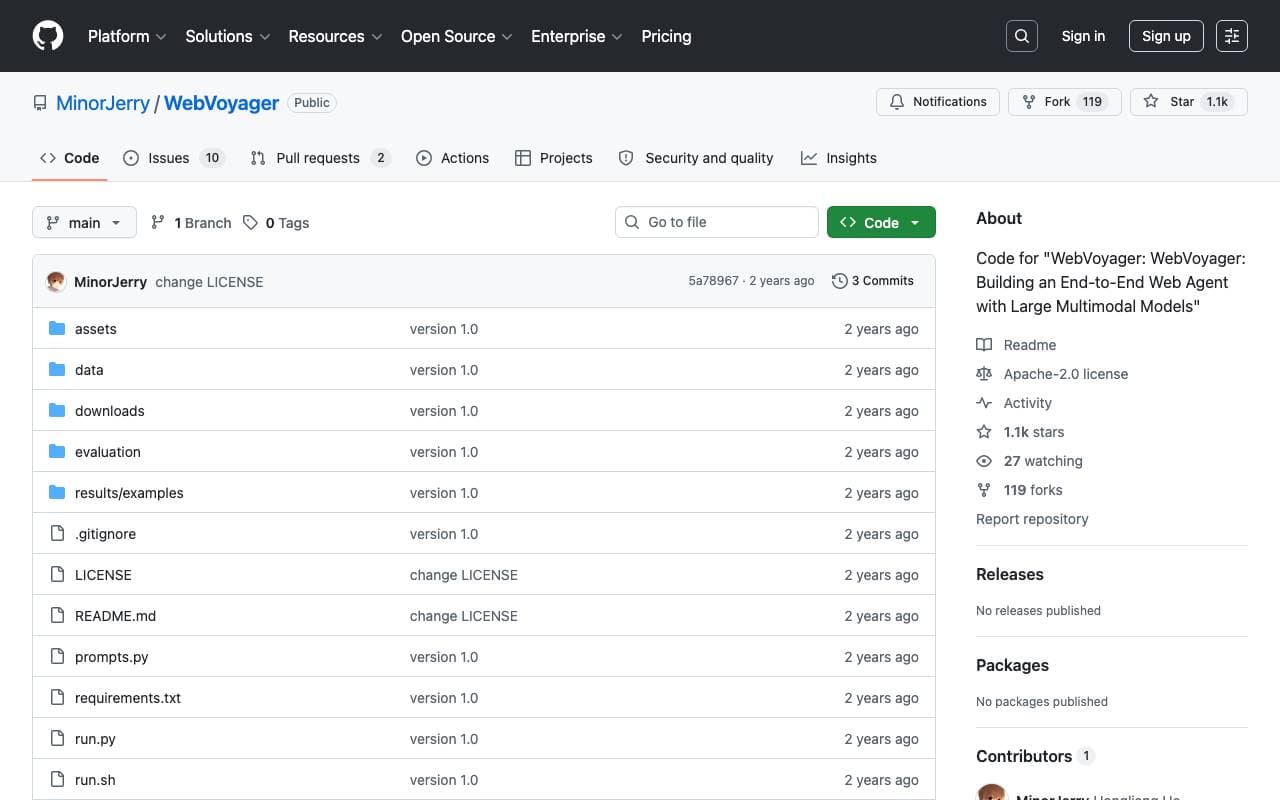
 WebVoyagerGroße Sprachmodelle (LLMs)
Ein LMM-gestützter Webagent, der Benutzeranweisungen end-to-end durch Interaktion mit Websites im Internet abschließt.

 AI WriterGroße Sprachmodelle (LLMs)
Plattform für künstliche Intelligenz unterstützte Schreibarbeit für die Erstellung, Recherche und Verfeinerung von langem Textinhalt.
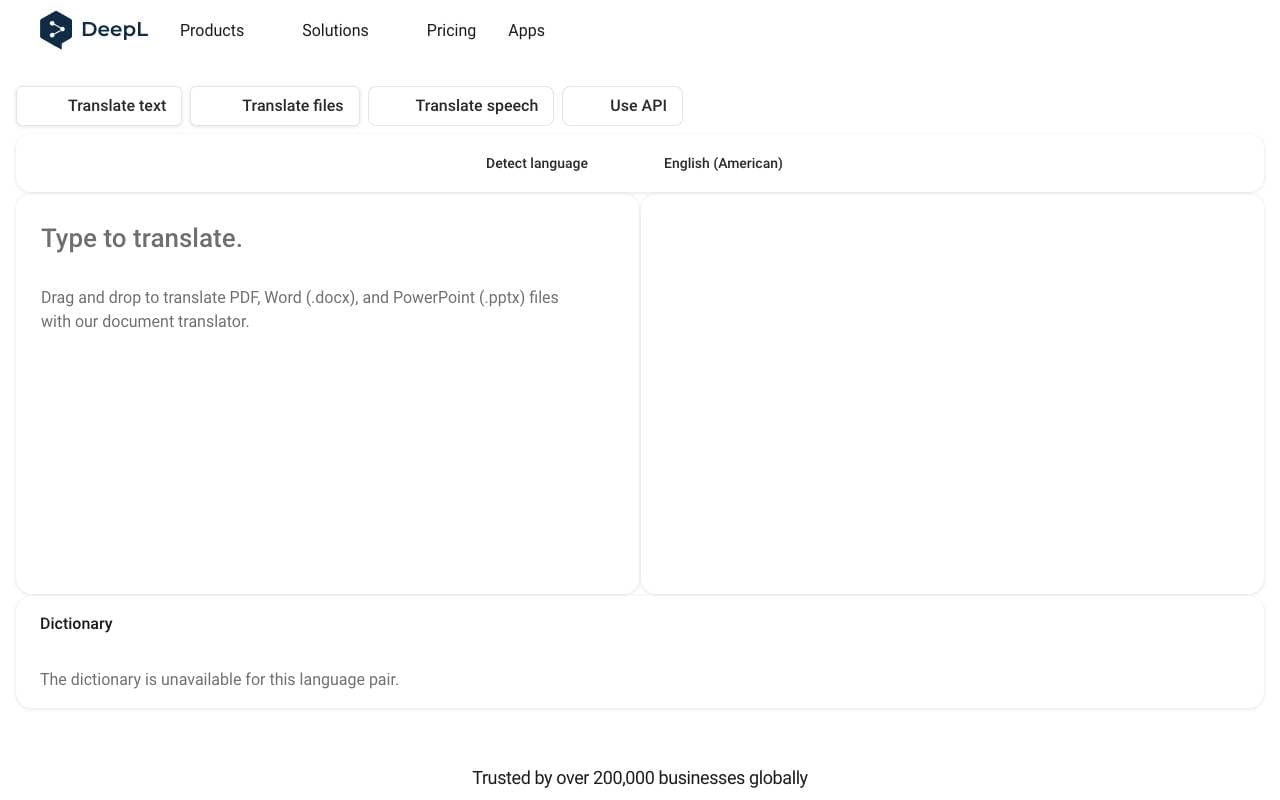
 DeepLGroße Sprachmodelle (LLMs)
Neuronales Übersetzungsverfahren, bekannt für genaue und natürliche Klangwahrnehmung in vielen Sprachen.

 Slesh.aiGroße Sprachmodelle (LLMs)
Vertrauenswürdige Antwort-Unterstützung durch KI, die Web-Forschung in sofortiges Antworten umwandelt.
Trending now

 Reducto AIPlattformen für die Entwicklung von Agenten mit künstlicher Intelligenz
Intelligenter Dokument API zur Analyse, Trennung, OCR-Analyse und Strukturierung von komplexen PDFs, Präsentationen und Tabellenkalkulationen.
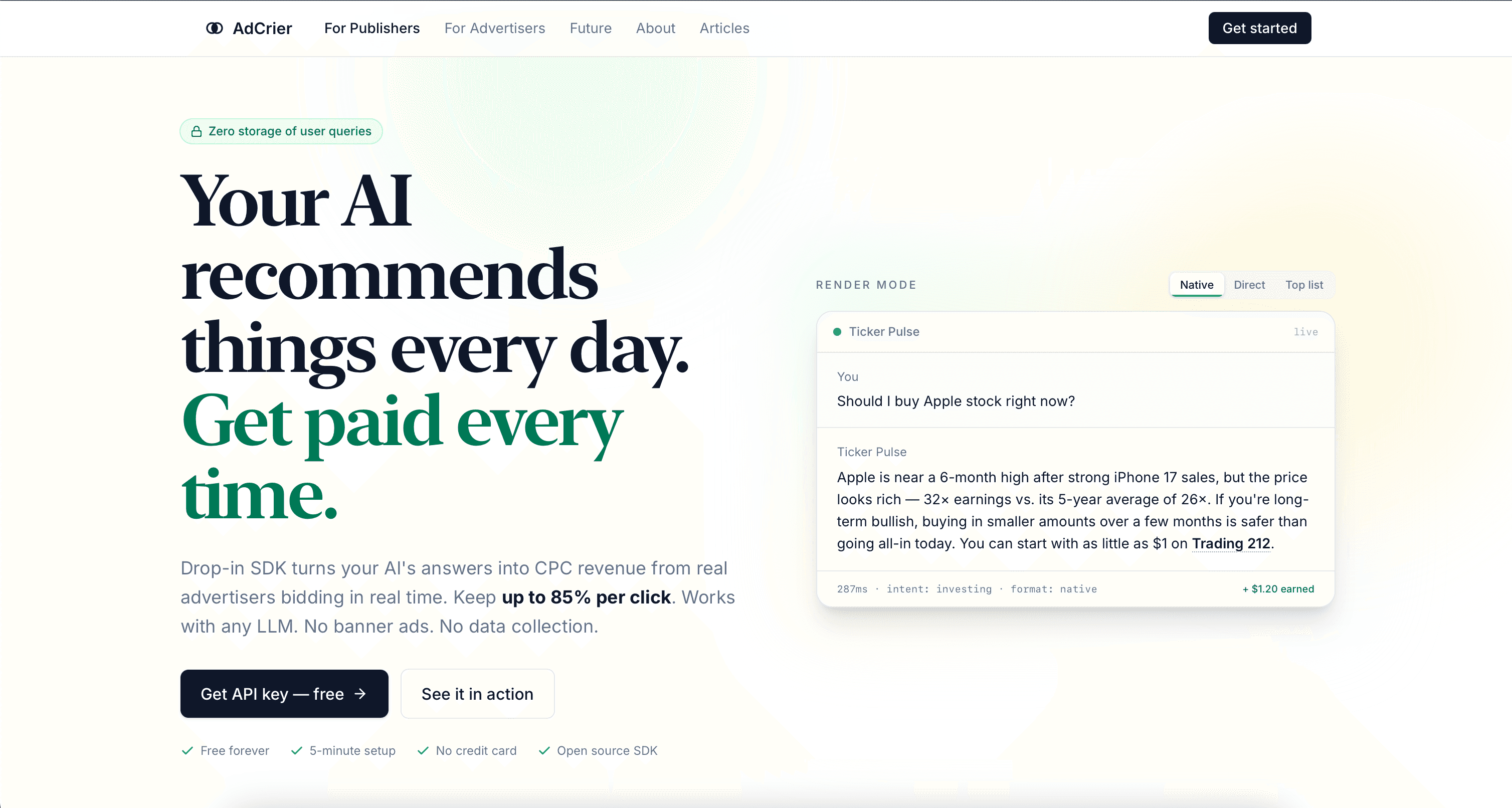
 AdCrierMarketing & Werbung
Gepflichtete Antworten mit Provision pro Klick.

 Biology AIBildung AI
Genaue Hilfe bei Hausaufgaben mit ausführlichen Erklärungen

 Pixtral 12B 24.09Large Language Model
Offenes multimodales 12B-Modell, das ineinander verschachtelte Bilder und Text mit einem Kontextfenster von 128 K verarbeitet.