
GenSphereDeclarativer Rahmenwerk für das Erstellen, Teilen und Komponieren von modularen LLM-Anwendungen.

Übersicht
Hauptfunktionen
- Deklartive Konfiguration von LLM-Pipelines
- Komponierte, verwendbare Anwendungsbausteine
- Bausteinscharen und -entdeckung
- Unterstützung für mehrstufige und agenteische Workflows
- Modell-agnostische Integrationslayer
- Offene Rahmenwerk für Ausweitungskapazitäten
Preise
- Modell
- Freemium
- Kategorie
- Aufgabenautomatisierung
- Bewertung
- 4.3 / 5 (4)
Anwendungsfälle
Prototypen agenteische LLM-Workflows schnell
Definieren Sie mehrstufige Agenten deklarativ, indem Sie Anfragen, Werkzeuge und Modelle als wieder verwendbare Bausteine komponieren und beim frühen Prototypen die Boilerplaten-Code-Orchestrierung auslassen.
Ersetzen und Benchmarmen zugrunde liegende Modelle
Nutzung des modell-agnostischen Integrationslayers, um LLMs in einer Pipeline ohne Umprogrammierung von Anwendungslogik auszutauschen, macht die Modelle-Vergleichung und -Migration offensichtlicher.
Teilen Sie verwendbare Bausteine über Teams
Veröffentlichen Sie Anfragen, Ketten und Werkzeug-Konfigurationen als modulare Bausteine, so dass Kollegen oder die Gemeinschaft sie entdecken, remixen und standardisieren über verschiedene Projekte hinweg.
Standardisieren Sie Struktur von LLM-Pipelines
Ziehen Sie eine deklarative Konfiguration-herangehensweise auf, um LLM-Anwendungen konsistent, wartbar und leichter für einen Softwareentwickler zu überprüfen.
Pro & Contra
Pro
- Deklartive Syntax reduziert Boilerplaten-Code für Orchestrierung
- Modulare Bausteine sind an verschiedenen Projekten wieder verwendbar
- Fördert das Teilen und Gemeinschaftsgetriebene Komponieren
- Flexibel für das Bauen von Agenten und mehrstufigen LLM-Workflows
Contra
- Lernkurve für deklaratives Paradigma
- Kleinere Ökosystem als etablierte LLM-Frameworks
- Möglicherweise weniger griffige Kontrolle als direktes Programmieren
Bewertungen
Durchschnitt aus 4 Bewertungen.
Melde dich an, um eine Bewertung abzugeben.

Does the job
Pretty happy overall. Open framework for extensibility just works and flexible for building agents and multi-step LLM workflows. Smaller ecosystem than established LLM frameworks can be annoying, but no dealbreakers — I'd recommend it to a friend without hesitating.
Solid for our team
We rolled this out across the team last quarter and encourages sharing and community-driven composition. Support for multi-step and agentic workflows fits neatly into how we already work, and declarative configuration of LLM pipelines removed a step we used to do by hand. Learning curve for declarative paradigm, which is the main caveat, but it has held up under daily use.
Solid for our team
We rolled this out across the team last quarter and declarative syntax reduces boilerplate orchestration code. Declarative configuration of LLM pipelines fits neatly into how we already work, and open framework for extensibility removed a step we used to do by hand. May offer less fine-grained control than coding directly, which is the main caveat, but it has held up under daily use.
Skeptical, then convinced
I went in skeptical — most tools in this space overpromise. It actually delivers on component sharing and discovery, and flexible for building agents and multi-step LLM workflows caught me off guard. Learning curve for declarative paradigm is why this isn't a perfect score, still, I'd recommend giving it a real trial.
Fragen & Antworten
How Does GenSphere Work?
Define Your Workflow with YAML Files: Your project is defined by YAML files representing graphs where each node is a task to be executed. Compose Complex Workflows by Nesting Graphs: Reference other YAML files as nodes to build upon existing workflows. Define Your Functions and Schemas: Create Python files with functions and Pydantic models for structured outputs. Leverage Integration with LangChain and Composio: Utilize tools available in Composio and LangChain. Visualize Your Project: Generate interactive graphical representations of your workflows. Execute the Workflow: GenSphere resolves dependencies and executes your workflow. Push to the Platform: Share your project on the open platform with a generated ID. Pull from the Platform: Use projects from others to build more complex applications. Watch Your Projects Grow: Monitor the popularity of your projects by tracking the number of pulls.
Asked by Xiomara Delgado · Feb 20, 2026
Why Use GenSphere?
GenSphere provides a transparent and flexible way to build LLM applications without the cumbersome abstractions that some modern frameworks introduce. It promotes collaboration and reuse by enabling developers to share and compose workflows easily.
Asked by Devin Walker · Dec 25, 2025
What is GenSphere?
GenSphere is a framework that allows you to build Large Language Model (LLM) applications by declaring tasks and how they connect using YAML files. It breaks down any LLM application into graphs where each node is either a function call, an LLM API call, or another graph itself. This approach provides: Low-Level Control: Inspect and edit applications down to their core components, avoiding unnecessary abstractions. Portability: Projects are defined by YAML files and associated Python functions and schemas, making sharing easy. Community Collaboration: Push your application to an open platform (no registration required) and generate a public ID to make it accessible to anyone. Composability: Easily compose complex applications from simpler, reusable components.
Asked by Katarzyna Zielinska · Dec 19, 2025
Frage stellen
Alternativen zu Aufgabenautomatisierung
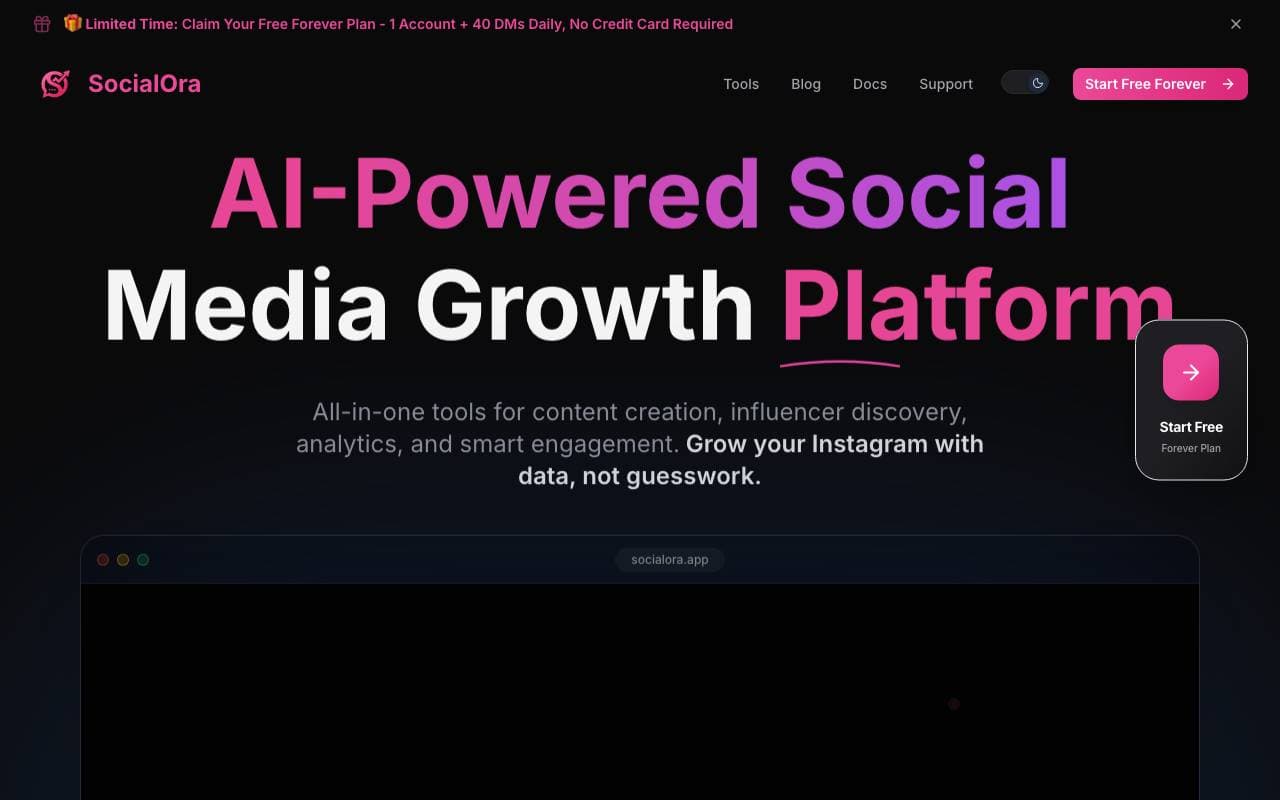

SocialOra
Aufgabenautomatisierung
Machen Sie Ihren Instagram-Einfluss zu einem messbaren Einnahme-Kanal.


AutoClick Ace
Aufgabenautomatisierung
Leichtgewichtiger Auto-Klicker mit Tastenkombinationen und anpassbaren Klickintervallen.

Otterly.AI
Aufgabenautomatisierung
Überwachen Sie Marken- und Webseitenverweise in KI-Suchmaschinen und Chatbots.


Livex AI
Aufgabenautomatisierung
Plattform für Kundenbindung und Engagement, die mit einer einzigen Codezeile eingesetzt wird
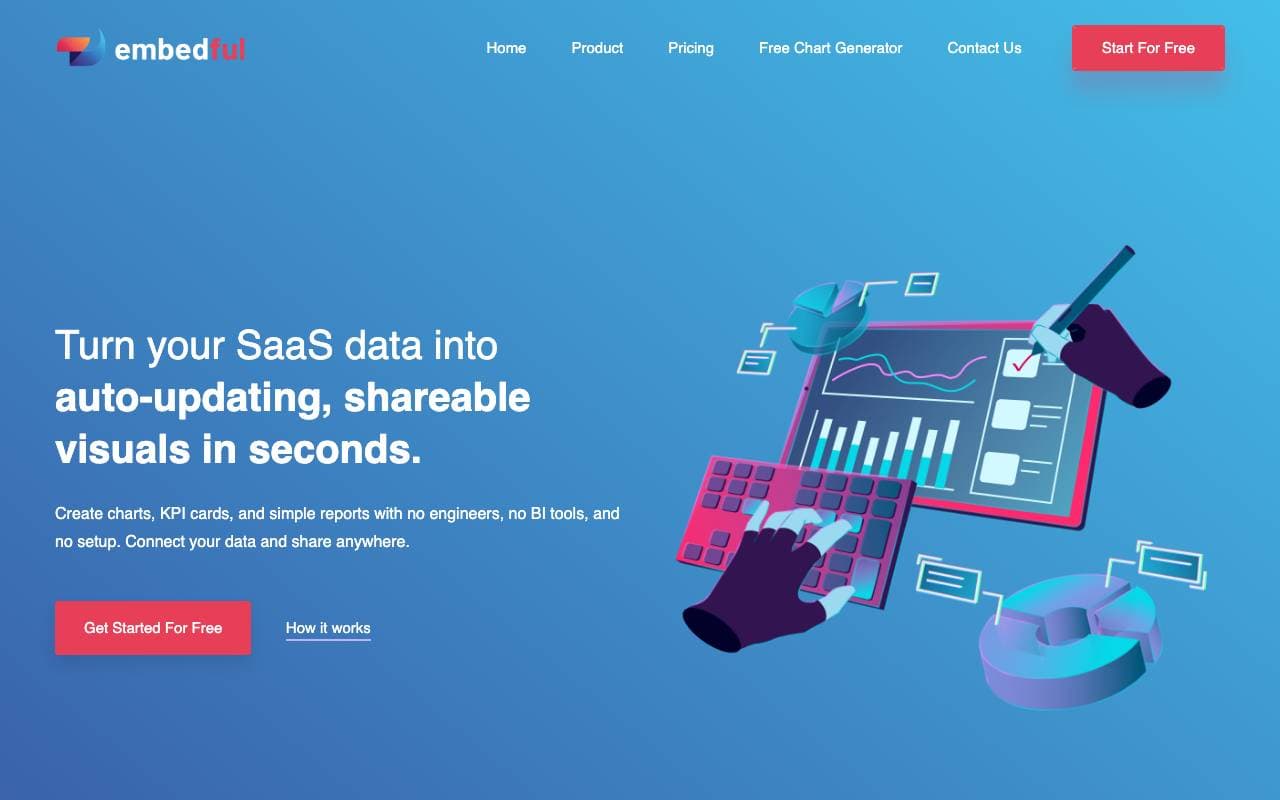

Embedful
Aufgabenautomatisierung
Automatisch aktualisierte Diagramme und Dashboards aus Ihren SaaS-Daten, kein Code erforderlich


Monday AI
Aufgabenautomatisierung
KI-gesteuerte Automatisierung in monday.com für smartere Team-Workflows

Thunderbit
Aufgabenautomatisierung
AI-Seitenräumer, der strukturierte Daten von jedem Site in zwei Klicks extrahiert – kein Code erforderlich.


Grok Automation
Aufgabenautomatisierung
Batch‑Automatisierung für die Bild‑ und Videoerstellung bei Grok.com mit wartenden Prompt‑Queues und automatischen Downloads.
Trending now


Reducto AI
Plattformen für die Entwicklung von Agenten mit künstlicher Intelligenz
Intelligenter Dokument API zur Analyse, Trennung, OCR-Analyse und Strukturierung von komplexen PDFs, Präsentationen und Tabellenkalkulationen.
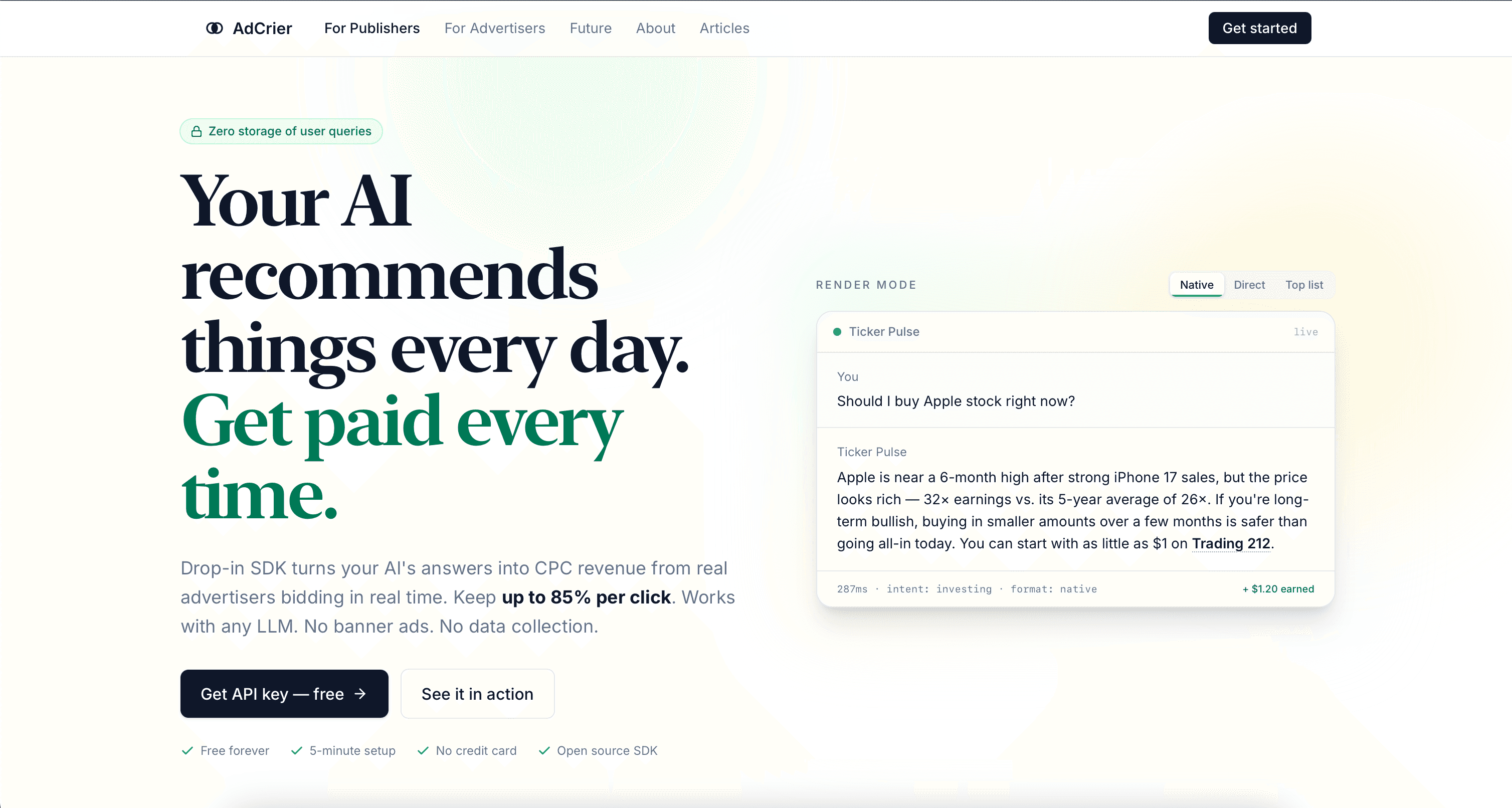

AdCrier
Marketing & Werbung
Gepflichtete Antworten mit Provision pro Klick.


Biology AI
Bildung AI
Genaue Hilfe bei Hausaufgaben mit ausführlichen Erklärungen
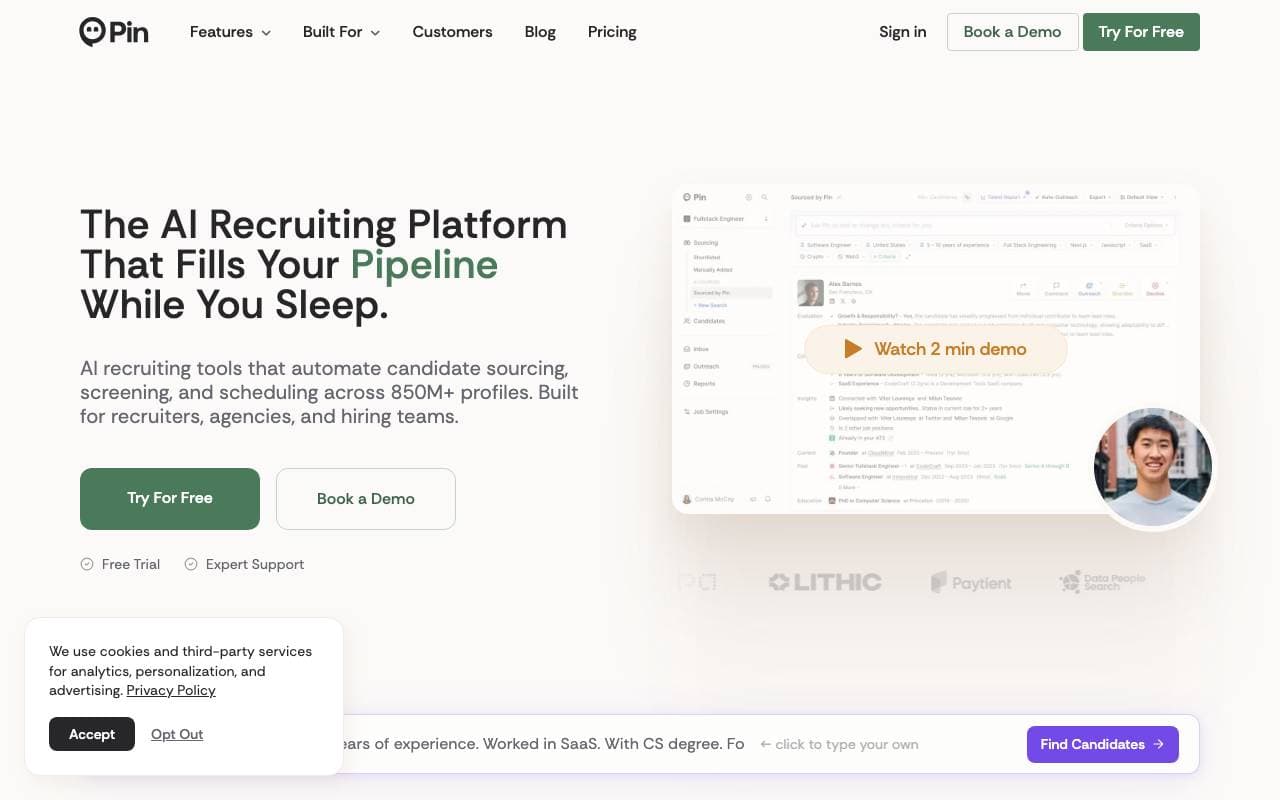

Pin AI
Arbeitsablaufautomatisierung
Agentic AI Recruiter, der Sourcing, Screening und Outreach automatisiert, um den Einstellungsprozess zu beschleunigen.