
AgentForgeLow-Code-Framework zur Erstellung autonomer KI-Agenten und kognitiver Architekturen

Übersicht
Hauptfunktionen
- Low-Code-Agentenkonfiguration
- Modulare kognitive Architekturkomponenten
- Kompatibilität mit mehreren LLM-Backends
- Speicher- und Kontextverwaltung
- Integration von benutzerdefinierten Tools und Aktionen
- Workflow für schnelle Iterationen
Preise
- Modell
- Freemium
- Kategorie
- KI-Agente
- Bewertung
- 5.0 / 5 (6)
Anwendungsfälle
Schnell autonome Agenten prototypisieren
Nutzen Sie die Low-Code-Konfiguration, um KI-Agenten mit Argumentation, Speicher und Tool-Use zu starten und das Verhalten zu iterieren, ohne umfangreiche Boilerplate-Infrastruktur zu schreiben.
Forschung kognitiver Architekturen
Experimentieren Sie mit modularen kognitiven Komponenten und mehrstufigen Workflows, um zu untersuchen, wie Agenten argumentieren, Kontext speichern und Aufgaben über verschiedene LLM-Backends ausführen.
Erstellen von Agenten mit benutzerdefinierten Tools
Integrieren Sie benutzerdefinierte Tools und Aktionen in Agenten, um domänenspezifische Workflows zu automatisieren und Speicherverwaltung für konsistente mehrstufige Aufgabenausführung zu nutzen.
Wechsel zwischen LLM-Anbietern
Entwickeln Sie Agenten einmal und führen Sie sie über mehrere LLM-Backends aus, um Teams das Vergleichen von Modellleistungen zu ermöglichen oder Vendor-Lock-In während der Produktion zu vermeiden.
Pro & Contra
Pro
- Low-Code-Setup beschleunigt die Prototypenerstellung
- Flexible Unterstützung kognitiver Architekturen
- LLM-unabhängiges Design
- Gut geeignet für Forschung und Produktion
Contra
- Erfordert Verständnis von Agentenkonzepten
- Geringere Community als bei großen Frameworks
- Dokumentation kann hinter schnellen Updates zurückbleiben
Bewertungen
Durchschnitt aus 6 Bewertungen.
Melde dich an, um eine Bewertung abzugeben.

Does the job
Pretty happy overall. Multi-LLM backend compatibility just works and low-code setup speeds up prototyping. Smaller community than major frameworks can be annoying, but no dealbreakers — I'd recommend it to a friend without hesitating.

Years in this space
I've evaluated a lot of these over the years. What stands out here is custom tool and action integration — handled better than most — and good for both research and production use. Worth the time if this is your use case.

Skeptical, then convinced
I went in skeptical — most tools in this space overpromise. It actually delivers on custom tool and action integration, and lLM-agnostic design caught me off guard. still, I'd recommend giving it a real trial.
Use it every day
Honestly didn't expect to like it this much. Custom tool and action integration is exactly what I needed, and lLM-agnostic design. I do wish smaller community than major frameworks, but I reach for it almost every day now and it just clicks.
Skeptical, then convinced
I went in skeptical — most tools in this space overpromise. It actually delivers on memory and context management, and lLM-agnostic design caught me off guard. still, I'd recommend giving it a real trial.
Compared a few options
Evaluated this against two competitors. Where it wins: rapid iteration workflow and flexible cognitive architecture support. On balance the feature set — especially modular cognitive architecture components — justifies the 5 stars for our use case.
Fragen & Antworten
Are there any limitations to using AgentForge?
AgentForge requires an understanding of agent concepts, has a smaller community than major frameworks, and its documentation may lag behind rapid updates.
Asked by Damian Wysocki · Aug 11, 2025
What are the benefits of using AgentForge?
AgentForge's low-code setup speeds up prototyping, and its flexible cognitive architecture support and LLM-agnostic design make it useful for both research and production use.
Asked by Vera Nováková · Jun 29, 2025
Is AgentForge suitable for production use?
Yes, AgentForge is suitable for building production-ready autonomous systems, in addition to rapid prototyping and AI research.
Asked by Ximenez Alvarado · May 17, 2025
What is AgentForge?
AgentForge is a low-code framework for building autonomous AI agents and cognitive architectures, streamlining the creation of AI-powered agents.
Asked by Sanjay Gupta · Apr 28, 2025
Frage stellen
Alternativen zu KI-Agente


Zapier's Agents
KI-Agente
Mit künstlicher Intelligenz betriebene Agenten, die Workflows in über 7.000 vernetzten Apps automatisieren
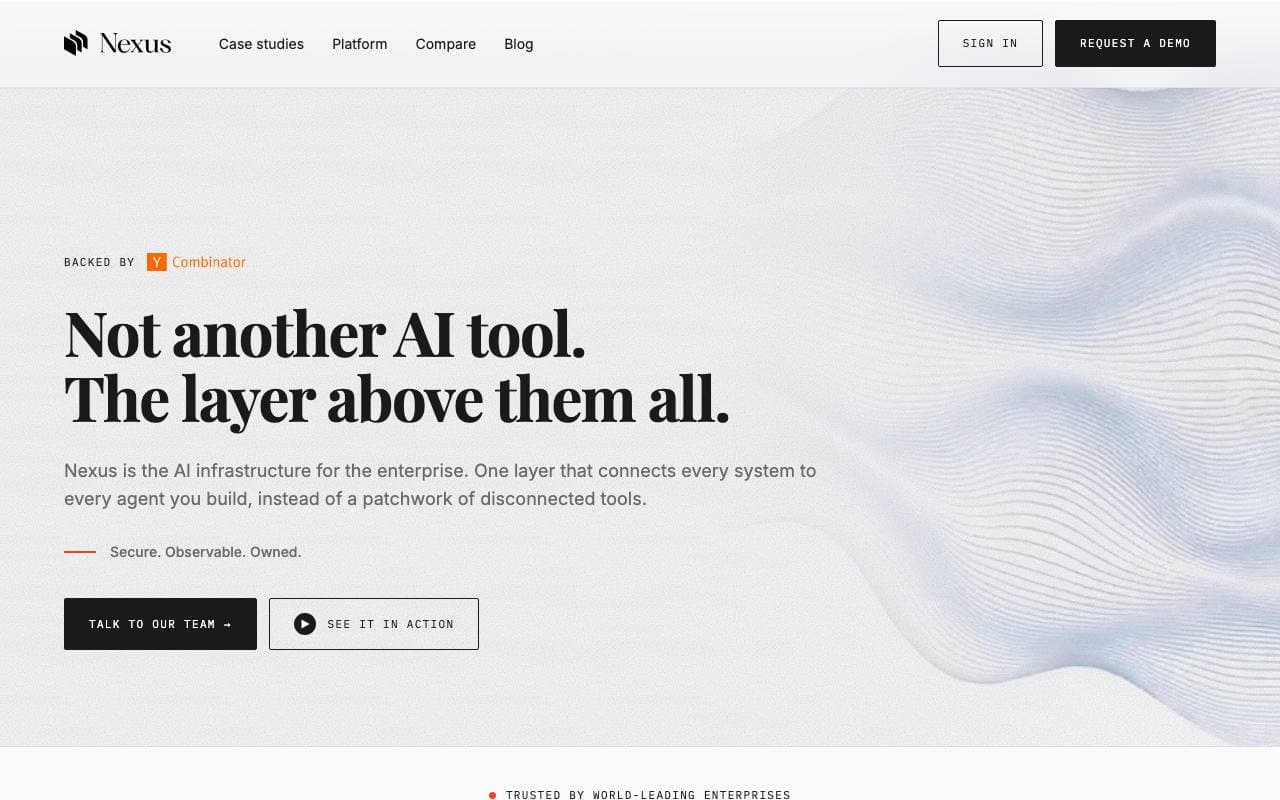

NexusGPT
KI-Agente
No-code-Plattform zum Erstellen und Bereitstellen von individuellen KI-Agenten zur Automatisierung von Geschäftsabläufen.


Maps Scraper AI
KI-Agente
Ein KI-gesteuertes Tool, das die Extraktion von Geschäftsdaten aus Google Maps automatisiert und die Lead-Generierung sowie Marktforschung verbessert.

Momentic AI
KI-Agente
Softwaretests schreiben, beheben und ausführen – mit einfachen englischen Befehlen

Micro Agent
KI-Agente
AI-Coding-Agent, der Code iteriert, bis deine Tests bestanden sind


Mogoj AI
KI-Agente
KI-gesteuerte Arbeitsablaufoptimierung und Geschäftsprozessautomatisierung


Charisma.ai
KI-Agente
Immersive konversationale AI für interaktive Geschichten, Ausbildung und Marketingkampagnen

Claros
KI-Agente
Shopping-Assistent basierend auf AI, der Bewertungen zusammenfasst und die besten Angebote aufdeckt.
Trending now


Reducto AI
Plattformen für die Entwicklung von Agenten mit künstlicher Intelligenz
Intelligenter Dokument API zur Analyse, Trennung, OCR-Analyse und Strukturierung von komplexen PDFs, Präsentationen und Tabellenkalkulationen.
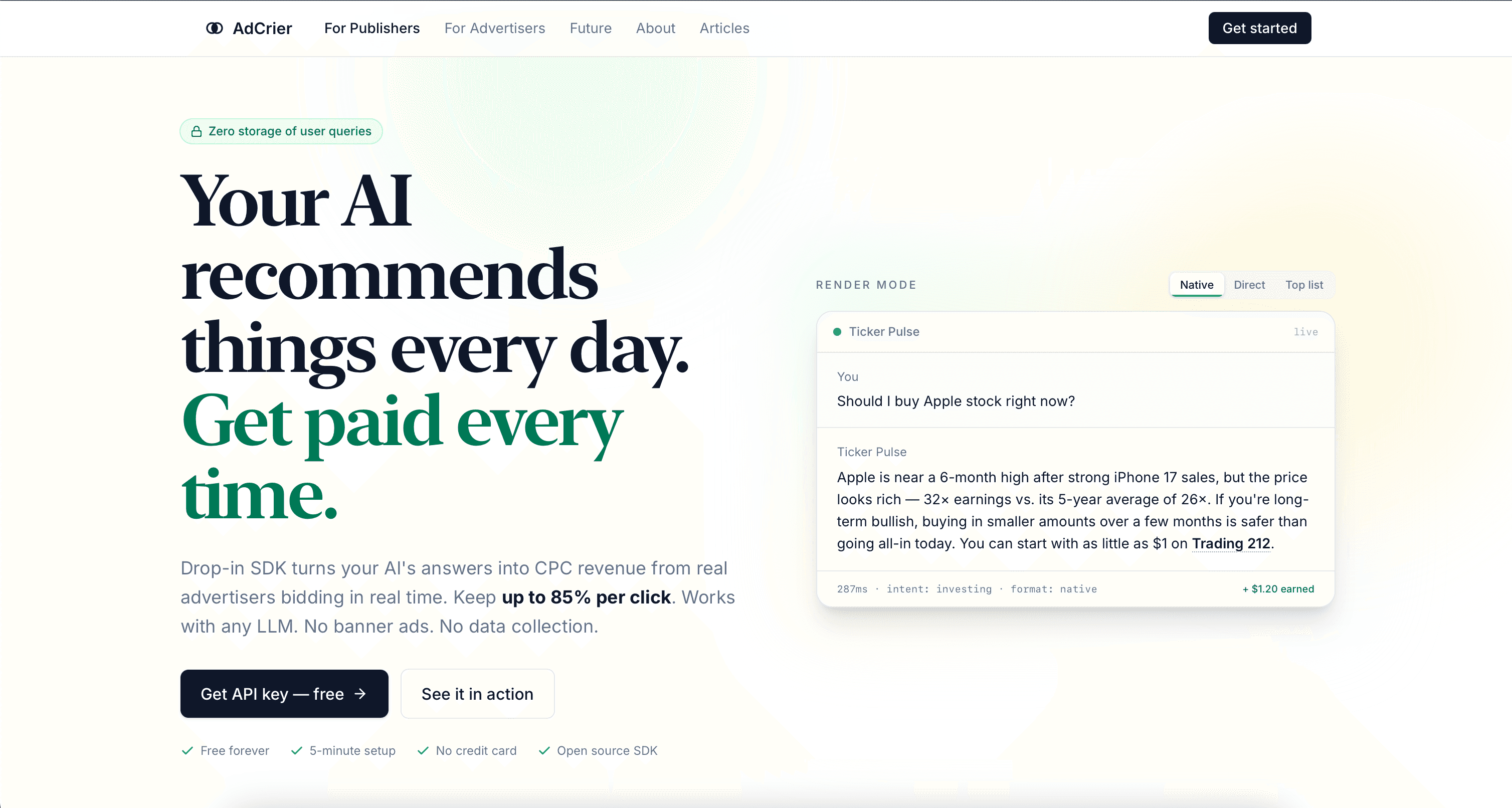

AdCrier
Marketing & Werbung
Gepflichtete Antworten mit Provision pro Klick.


Biology AI
Bildung AI
Genaue Hilfe bei Hausaufgaben mit ausführlichen Erklärungen
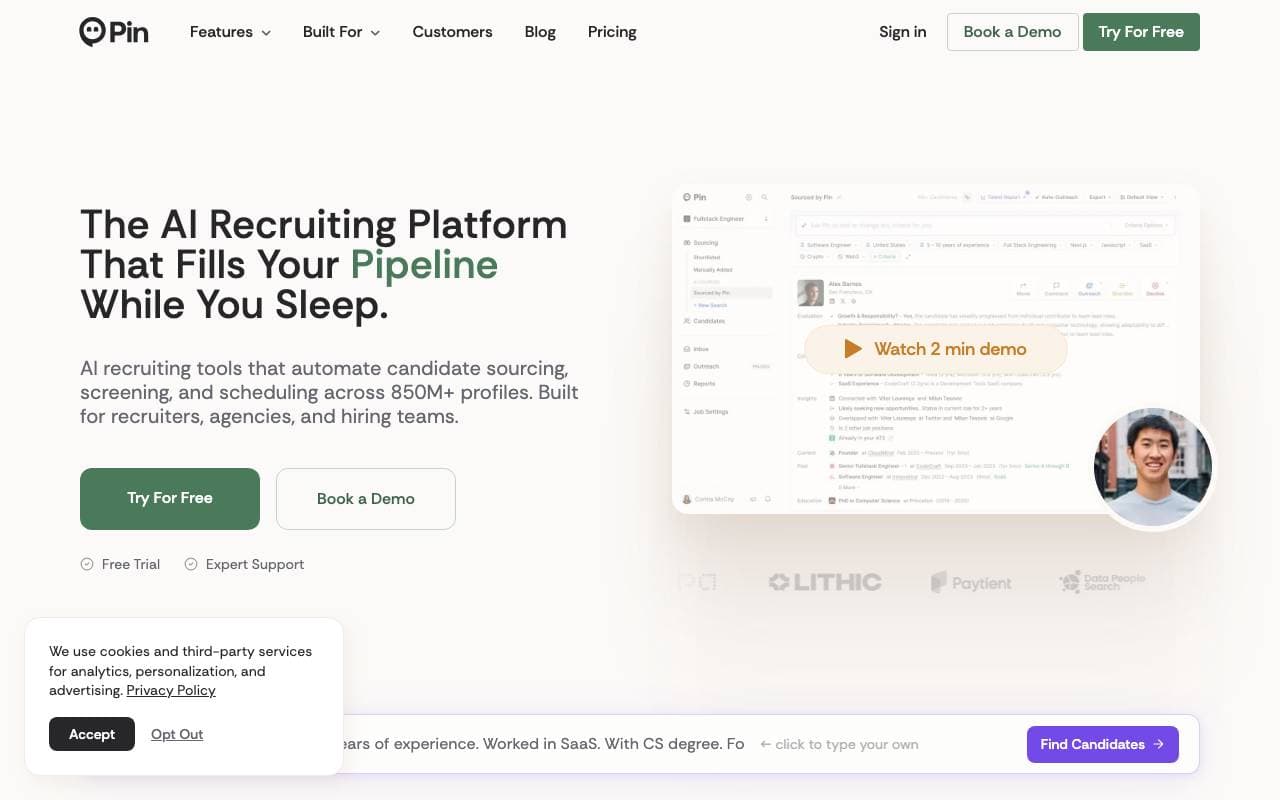

Pin AI
Arbeitsablaufautomatisierung
Agentic AI Recruiter, der Sourcing, Screening und Outreach automatisiert, um den Einstellungsprozess zu beschleunigen.