
QodoPlatforma pro integritu kódu napojená na umělou inteligenci pro generování, testování a přezkum

Přehled
Klíčové funkce
- _generování kódu pomocí repository kontextu
- automatické tvorba jednotkových a výjimkových testů
- přezkum pull request pomocí umělé inteligence
- plánek do IDE a integrace s platformami Git
- analýza kvality a integrity kódu
- soutěžící spolupráce a podpora konsistentních standardů v rámci týmu
Ceník
- Model
- Freemium
- Kategorie
- Asistenți kódu
- Hodnocení
- 4.8 / 5 (5)
Případy užití
Automatické přezkumy pull requestů
Používat přezkum umělou inteligencí během pull requestů k vytyčení potenciálních problémů, prosazení týmových standardů a zjištění regrese dříve, než je spuštěn kód.
Výroba jednotkových testu pro případnou výjimku
Automatikou vytvářet testy pro případnou výjimku, které pomáhají developerům zlepšit pokrytí a vyhledat chyby bez psaní testů manuálně.
Context-aware generování kódu v integrovaném vývojovém prostředí
Používat širokou kontextualitu repozitáře v rámci pluginů k generování návrhů kódu, které se shodují s předchozím vzorcem a strukturou projektu.
Prosazování integritu kódu v rámci celého týmu
Podpořit spolehlivé standardy kvality kódu napříč celkovou strukturou repozitáře, zavedení Qodo do pracovních postupů Git a podporovat týmovou spolupráci založenou na integritních kontrolách.
Pro a proti
Pro
- obnáší generování, testování a přezkum jedním platformám
- integrace s oblíbenými IDE (integrovanými vývojovými prostředími) a pracovními postupy Git
- vygeneruje soubory testů s přihlédnutím k případným výjimkám
- pomáhá udržovat konzistentní kvalitu kódu během přezkumu
- vytvořil efektivní pracovní postup pro vývojáře
Proti
- činnost účinnosti se liší v závislosti na programovacích jazycích a rámecích
- vyspělé funkce mohou vyžadovat placená verze
- doporučení stále potřebují lidskou verifikaci
- nacházejí se zde obtížnosti u integrace do stávajících pracovních postupy týmu
Recenze
Průměr z 5 hodnocení.
Přihlas se, abys mohl napsat recenzi.

Solid for our team
We rolled this out across the team last quarter and integrates with popular IDEs and Git workflows. Team-oriented collaboration and standards support fits neatly into how we already work, and aI code generation with repository context removed a step we used to do by hand. but it has held up under daily use.
Does the job
Pretty happy overall. AI code generation with repository context just works and covers generation, testing, and review in one platform. but no dealbreakers — I'd recommend it to a friend without hesitating.
Skeptical, then convinced
I went in skeptical — most tools in this space overpromise. It actually delivers on aI code generation with repository context, and covers generation, testing, and review in one platform caught me off guard. Learning curve to fit into existing team processes is why this isn't a perfect score, still, I'd recommend giving it a real trial.

Compared a few options
Evaluated this against two competitors. Where it wins: automated unit and edge-case test creation and covers generation, testing, and review in one platform. Where it lags: effectiveness varies across languages and frameworks. On balance the feature set — especially aI-assisted pull request reviews — justifies the 5 stars for our use case.
Years in this space
I've evaluated a lot of these over the years. What stands out here is automated unit and edge-case test creation — handled better than most — and generates tests with attention to edge cases. Worth the time if this is your use case.
Otázky
What is Qodo?
Qodo is an AI code review and governance platform for engineering teams shipping at the speed AI writes code. Qodo reviews every pull request with full, cross-repo codebase context, enforces your coding standards, and governs the AI tools and agents shaping how code gets built. Qodo runs across two main surfaces, with the same context and review standards in each: IDE — real-time code validation while you code Git — high-signal pull request reviews See the platform overview for the full picture.
Asked by Wanjiru Kamau · Jul 31, 2025
Why is code review breaking down as AI writes more code?
Code review was designed for one developer, one PR, one senior reviewer who held the codebase in their head. AI breaks that model — coding agents generate and refactor faster than humans can review, while standards still live in wikis and senior engineers’ heads. Process and discipline can’t scale to AI-speed volume. What’s needed is a governance harness — quality, standards, and AI tool oversight treated as infrastructure rather than process. Read the full thinking in AI Gave Teams Velocity. The Governance Harness Comes Next.
Asked by Nikolai Petrenko · Jul 25, 2025
What makes Qodo different from other AI code review tools?
Qodo is built on three things that make a difference between a useful code review tool and a noisy one: Precision over volume — specialized agents reason over your full codebase, not just the diff, which is how Qodo holds the highest F1-score on the AI code review benchmark. Depth and speed together — full-context review without slowing the PR down. Standards that stay current and governed in one place – Rules mined from your PR history, skills surfaced from across your repos, every one enforced on each change and refined by what reviewers accept or reject. The result is fewer false positives, faster reviews, and a quality bar that holds as your team scales.
Asked by Abebe Girma · Jul 8, 2025
How do you keep coding standards consistent across hundreds of repos and teams?
Wikis go stale. Linters miss intent. Manual rule writing produces dead documents within a quarter. Standards stay consistent only when they’re captured from how your team actually reviews, enforced before merge, and updated as the codebase evolves. Qodo’s review standards system builds this loop into review. Rules Miner turns recurring PR comments and reviewer decisions into enforceable rules, automatically, while skills discovered across your repos become first-class standards you can govern the same way. Rules and skills run on every PR, decay when they stop being useful, and stay measurable through a central portal.
Asked by Diego Fernández · Jun 12, 2025
How do you catch breaking changes that span multiple repositories?
Most review tools see one repo at a time, so breaking changes in shared SDKs, APIs, or schemas only surface in production — where they’re most expensive to fix. Qodo’s Cross Repo Review reasons across the repos that depend on each other, mapped out visually in the portal so the dependencies are clear at a glance. When a signature change in a shared library could break downstream consumers, Qodo flags it on the PR with a direct link to the affected line, before merge. It also reasons across Git providers, so a service in GitHub and its consumer in GitLab stay connected in the same review.
Asked by Gustav Lindberg · May 10, 2025
Polož otázku
Alternativy k Asistenți kódu


Enia Code
Asistenți kódu
Proaktivní AI partner při kódování, který vystupuje problémy a navrhuje opravy předtím, než se zeptáte.


Hex Magic
Asistenți kódu
Spolutvůrce AI analytických kopilotů, které psají dotazy, staví grafy a debugují poznámkové kázání přímo v Hexu.


MicroGPT
Asistenți kódu
Úzký AI odborný asistent pro kódování, který zlepšuje produktivitu vývojářů díky real-time návrhům kódu.
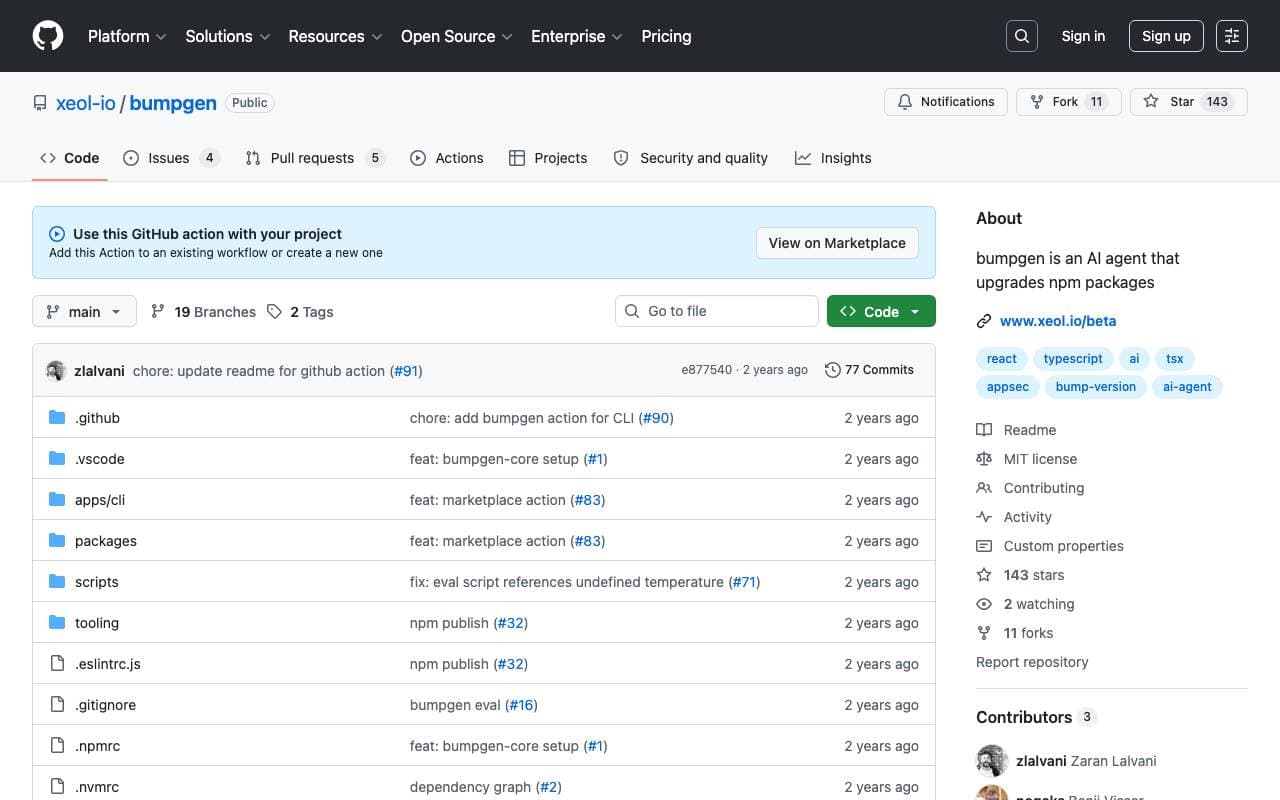

bumpgen
Asistenți kódu
Umělý agent, který automatizuje aktualizaci balíčků npm a vyřeší související náhodné změny v projektech s TypeScript.
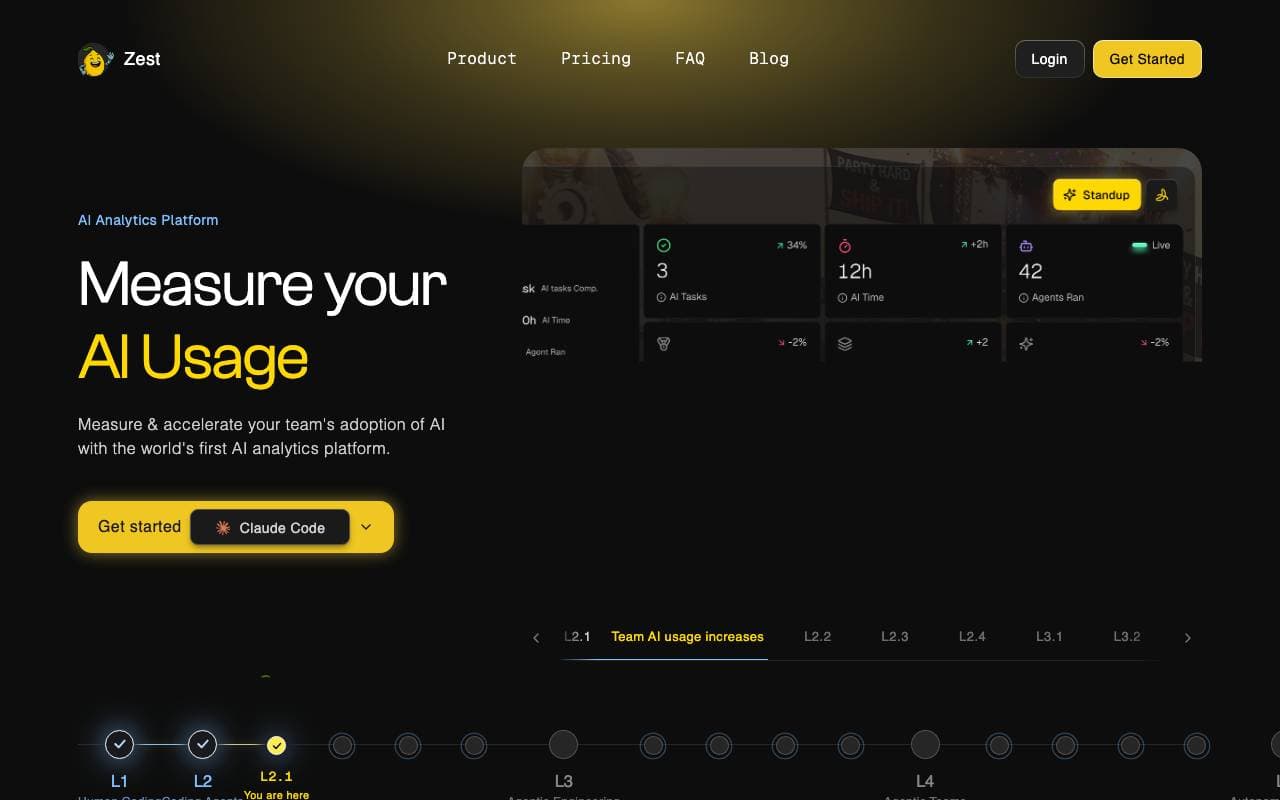

Zest
Asistenți kódu
Zástupce AI navržený pro zvýšení produktivity vývojářů v každodenních pracovních flémnách kódování
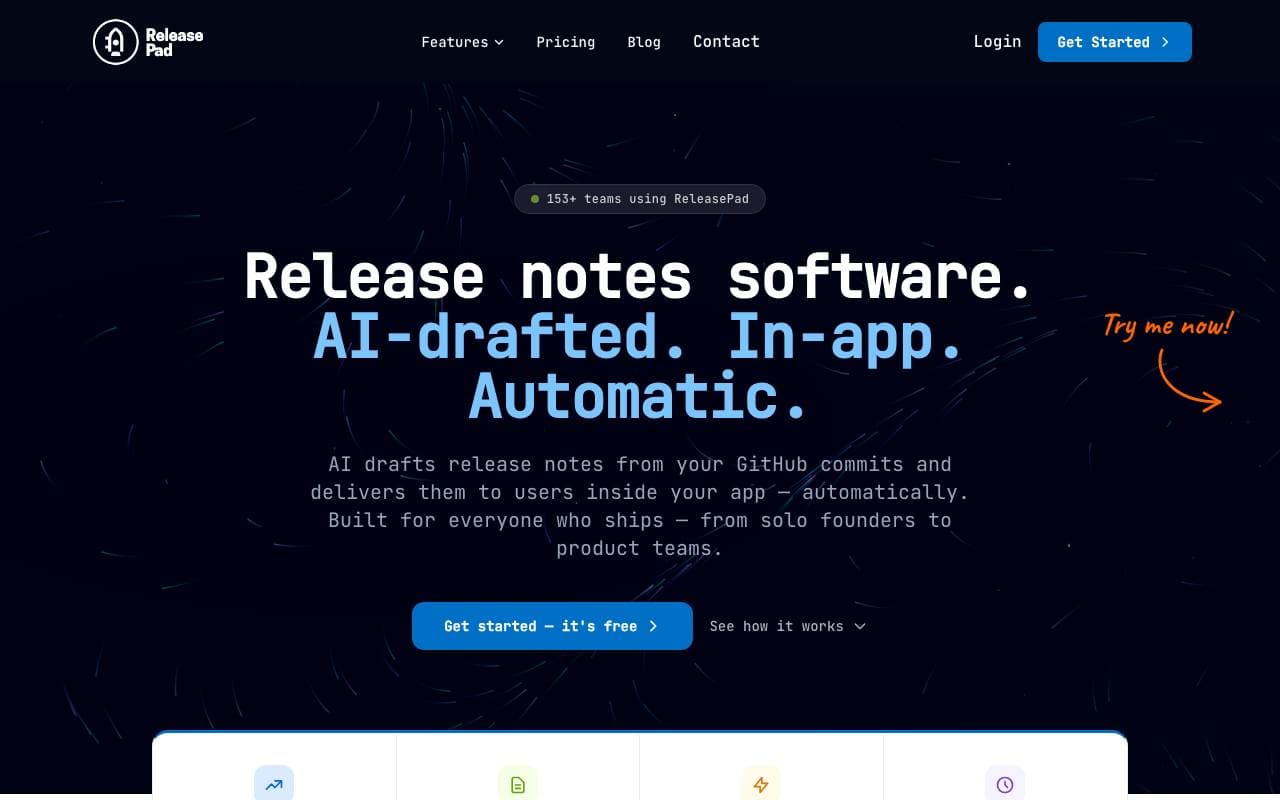

ReleasePad
Asistenți kódu
Generované vydání zprávy AI pro rychlé produkční týmy


Low Code Platforms
Asistenți kódu
Porovnejte a filtrovejte přední low-code vývojářské nástroje na základě umělých inteligencí, CRM, automatizace a workflow schopností.

Mentat
Asistenți kódu
Otevřené AI kódování asistentní řešení, která se integruje se vaším příkazovým řádem k asistenci s různými úkoly kódování přes několik souborů.
Trending now


Reducto AI
Platformy pro vývoj AI Agentů
Inteligentní dokumentová API, které rozpoznává, rozděluje, převede na text a extrahuje strukturovaná data z komplexních dokumentů PDF, prezentací a-tabulkových formulářů.
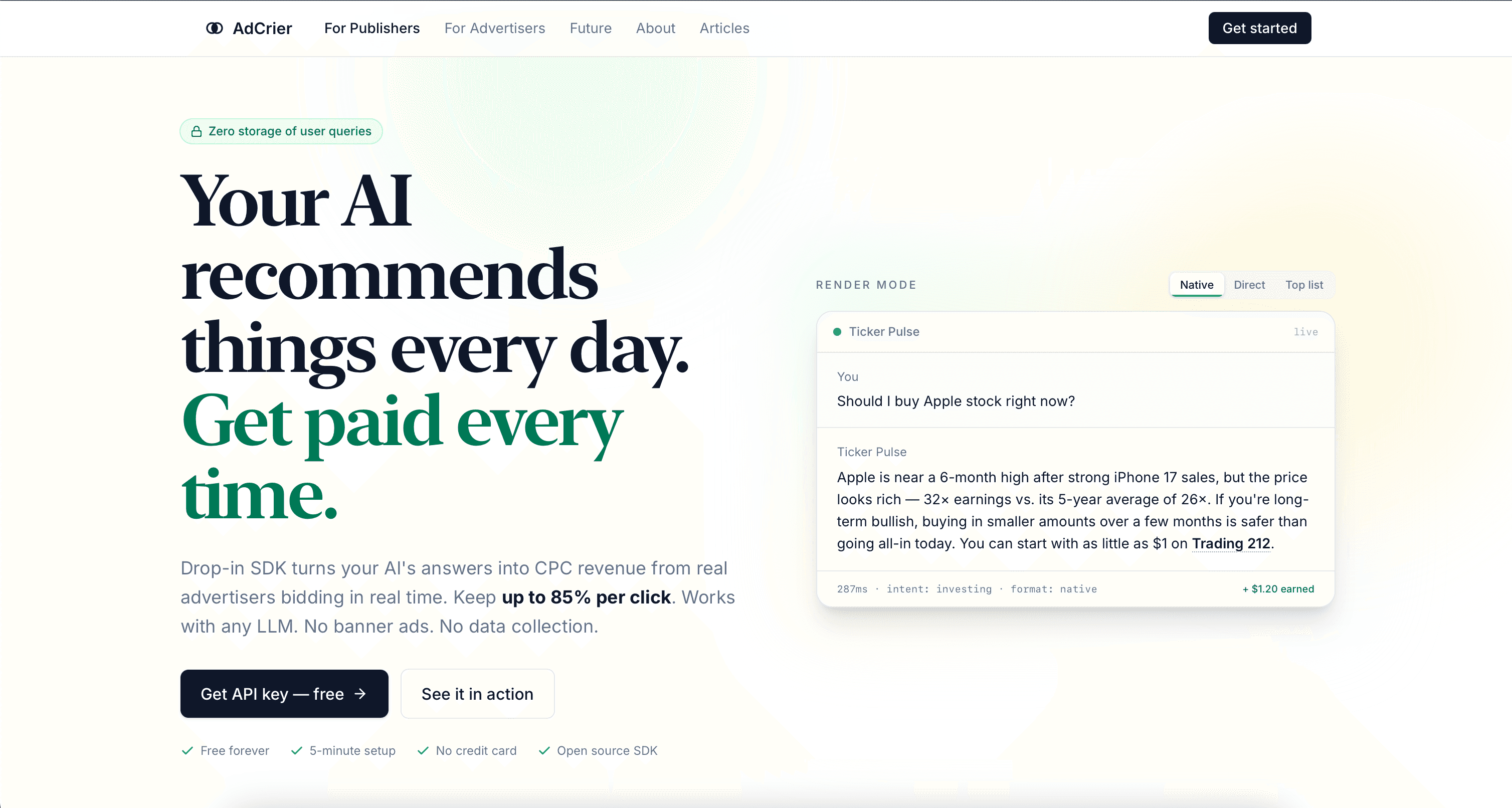

AdCrier
Marketing & reklama
Sponzorované odpovědi, platba za klik


Biology AI
Vzdělávání s umělou inteligencí
Přesné domácí úkoly s vysvětlením


Pin AI
Automatizace pracovních procesů
Agenturní AI-recruiter, který automatizuje hledání, screenování a outreach pro zrychlené obsazení pozice.