
GenSphereإطار عمل تصريحي لبناء وتشارك وتكوين تطبيقات نماذج اللغة الكبيرة (LLM) المعيارية.

نظرة عامة
الميزات الرئيسية
- تكوين تصريحي لخطوط أنابيب LLM
- مكونات تطبيق قابلة للتكوين وإعادة الاستخدام
- مشاركة المكونات واكتشافها
- دعم سير العمل متعدد الخطوات والوكلاء
- طبقة تكامل نموذجية مستقلة
- إطار عمل مفتوح للتوسعة
التسعير
- النموذج
- Freemium
- الفئة
- تسيير المهام
- التقييم
- 4.3 / 5 (4)
حالات الاستخدام
نماذج سريعة لوكلاء LLM متعدد الخطوات
حدد وكلاء متعدد الخطوات بشكل تصريحي عن طريق تكوين المطالبات والأدوات والنماذج ككتل قابلة لإعادة الاستخدام، وتخطي تعليمات التوزيع الشاقة أثناء النمذجة الأولية.
تبديل ومعايير النماذج الأساسية
استخدم طبقة التكامل المستقلة للنموذج لتبديل نماذج LLM في خط أنابيب دون إعادة كتابة منطق التطبيق، مما يجعل مقارنة النماذج وترحيلها مباشرًا.
مشاركة المكونات القابلة لإعادة الاستخدام عبر الفرق
نشر المطالبات والسلاسل وتكوينات الأدوات ككتل بناء نمطية حتى يتمكن الزملاء أو المجتمع من اكتشافها وإعادة مزجها وتوحيدها عبر المشاريع.
توحيد هيكل خط أنابيب LLM
اعتماد نهج تكوين تصريحي للحفاظ على تطبيقات LLM متسقة وقابلة للصيانة وأسهل للمراجعة عبر منظمة هندسية.
المزايا والعيوب
المزايا
- التركيب التصريحي يقلل من تعليمات التوزيع الشاقة
- المكونات النمطية قابلة لإعادة الاستخدام عبر المشاريع
- يشجع على المشاركة والتكوين المدفوع من المجتمع
- مرن لبناء الوكلاء وسير العمل متعدد الخطوات LLM
العيوب
- منحنى التعلم للنموذج التصريحي
- نظام بيئي أصغر من أطر عمل LLM الراسخة
- قد يقدم تحكمًا أقل دقة من البرمجة المباشرة
المراجعات
المتوسط من 4 تقييم.
سجّل الدخول لكتابة مراجعة.

Does the job
Pretty happy overall. Open framework for extensibility just works and flexible for building agents and multi-step LLM workflows. Smaller ecosystem than established LLM frameworks can be annoying, but no dealbreakers — I'd recommend it to a friend without hesitating.
Solid for our team
We rolled this out across the team last quarter and encourages sharing and community-driven composition. Support for multi-step and agentic workflows fits neatly into how we already work, and declarative configuration of LLM pipelines removed a step we used to do by hand. Learning curve for declarative paradigm, which is the main caveat, but it has held up under daily use.
Solid for our team
We rolled this out across the team last quarter and declarative syntax reduces boilerplate orchestration code. Declarative configuration of LLM pipelines fits neatly into how we already work, and open framework for extensibility removed a step we used to do by hand. May offer less fine-grained control than coding directly, which is the main caveat, but it has held up under daily use.
Skeptical, then convinced
I went in skeptical — most tools in this space overpromise. It actually delivers on component sharing and discovery, and flexible for building agents and multi-step LLM workflows caught me off guard. Learning curve for declarative paradigm is why this isn't a perfect score, still, I'd recommend giving it a real trial.
أسئلة وأجوبة
How Does GenSphere Work?
Define Your Workflow with YAML Files: Your project is defined by YAML files representing graphs where each node is a task to be executed. Compose Complex Workflows by Nesting Graphs: Reference other YAML files as nodes to build upon existing workflows. Define Your Functions and Schemas: Create Python files with functions and Pydantic models for structured outputs. Leverage Integration with LangChain and Composio: Utilize tools available in Composio and LangChain. Visualize Your Project: Generate interactive graphical representations of your workflows. Execute the Workflow: GenSphere resolves dependencies and executes your workflow. Push to the Platform: Share your project on the open platform with a generated ID. Pull from the Platform: Use projects from others to build more complex applications. Watch Your Projects Grow: Monitor the popularity of your projects by tracking the number of pulls.
Asked by Xiomara Delgado · Feb 20, 2026
Why Use GenSphere?
GenSphere provides a transparent and flexible way to build LLM applications without the cumbersome abstractions that some modern frameworks introduce. It promotes collaboration and reuse by enabling developers to share and compose workflows easily.
Asked by Devin Walker · Dec 25, 2025
What is GenSphere?
GenSphere is a framework that allows you to build Large Language Model (LLM) applications by declaring tasks and how they connect using YAML files. It breaks down any LLM application into graphs where each node is either a function call, an LLM API call, or another graph itself. This approach provides: Low-Level Control: Inspect and edit applications down to their core components, avoiding unnecessary abstractions. Portability: Projects are defined by YAML files and associated Python functions and schemas, making sharing easy. Community Collaboration: Push your application to an open platform (no registration required) and generate a public ID to make it accessible to anyone. Composability: Easily compose complex applications from simpler, reusable components.
Asked by Katarzyna Zielinska · Dec 19, 2025
اطرح سؤالاً
بدائل لـ تسيير المهام
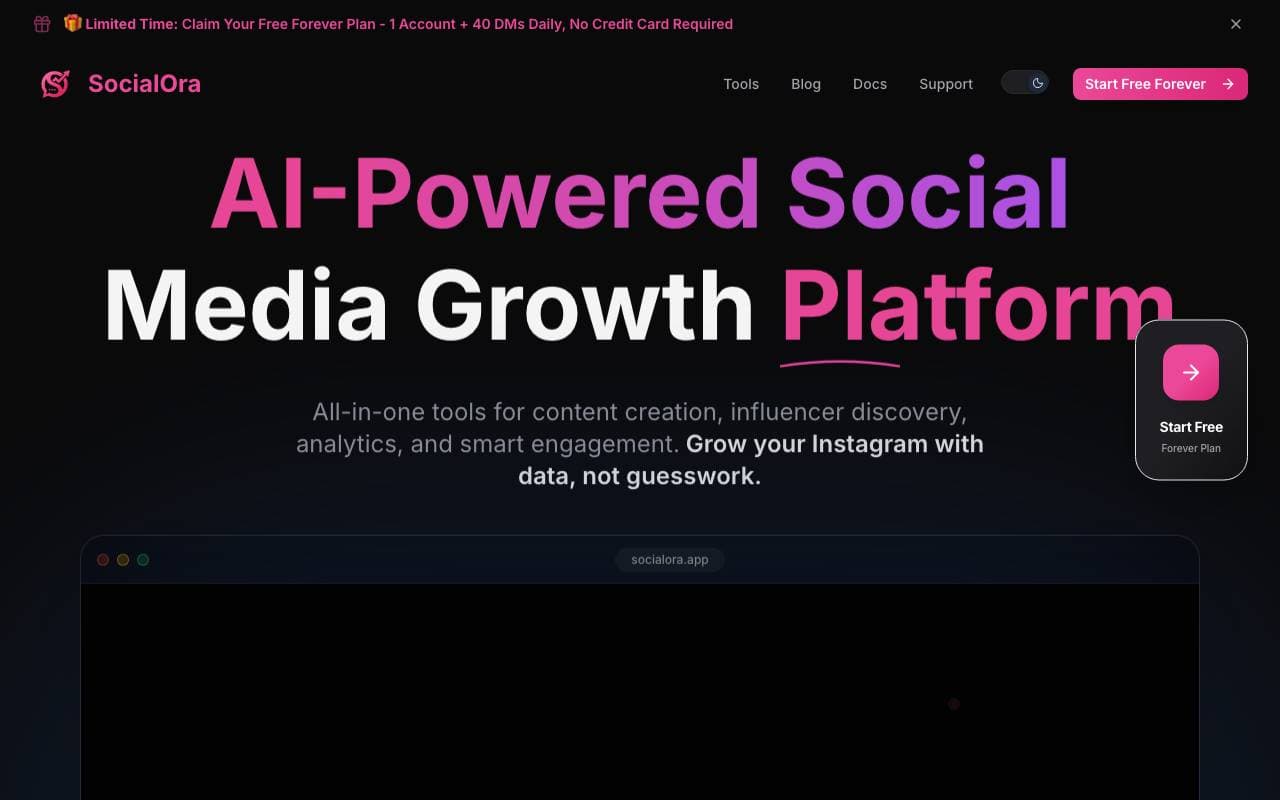

SocialOra
تسيير المهام
حوّل وجودك على Instagram إلى قناة إيرادات قابلة للقياس.


AutoClick Ace
تسيير المهام
AutoClick Ace Ace: نقرة تلقائية خفيفة الوزن مع أزرار الساخنة وفترات زمنية قابلة للتخصيص لجلسات الألعاب الطويلة، اختبارات واجهة المستخدم، أو تسريع المهام المتكررة على سطح المكتب.

Otterly.AI
تسيير المهام
راقب ذكر العلامة التجارية والمواقع الإلكترونية في محركات البحث الذكية والمساعدين الرقميين


Livex AI
تسيير المهام
منصة ولاء العملاء والمشاركة المدارة باستخدام سطر واحد من الكود
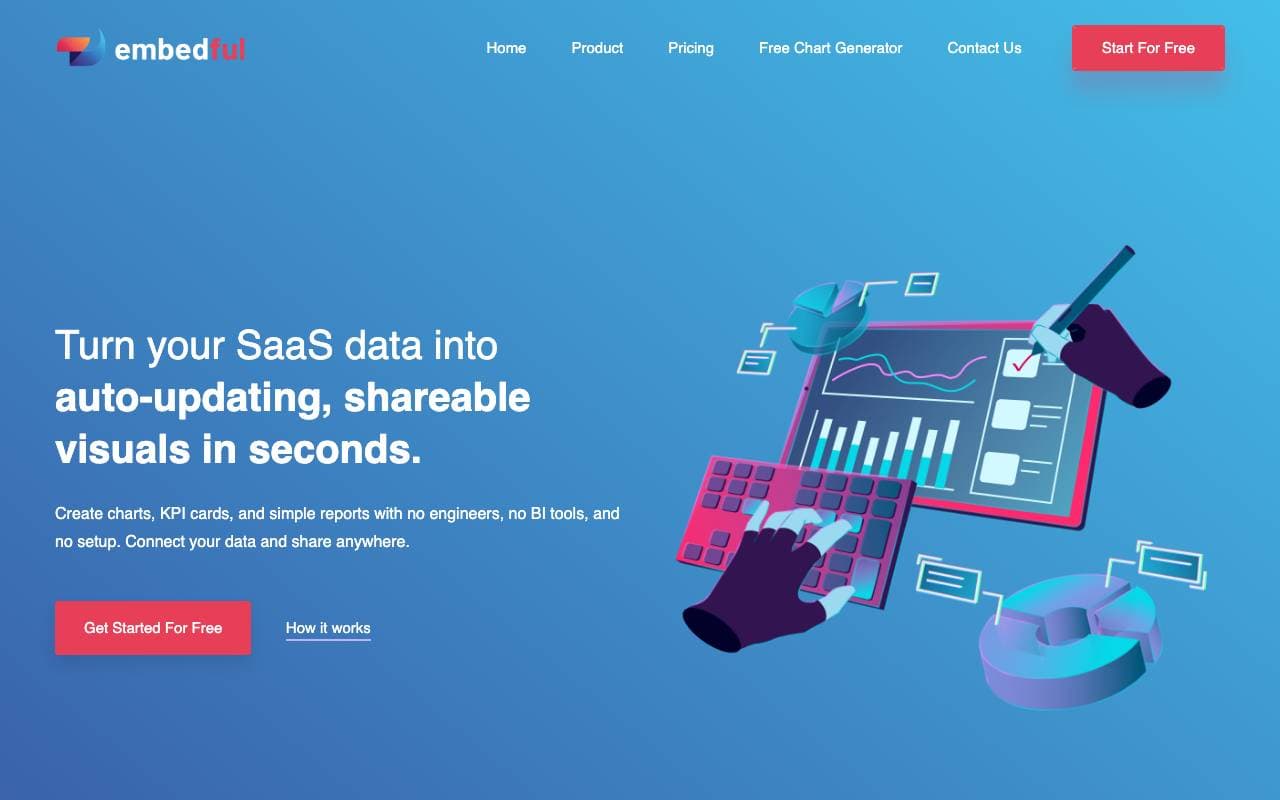

Embedful
تسيير المهام
رسوم بيانية ولوحات معلومات محدثة تلقائياً دون الحاجة لمعرفة SQL أو البرمجة.


Monday AI
تسيير المهام
قم دمج الذكاء الاصطناعي مع Monday.com لتحسين سير العمل الجماعي.

Thunderbit
تسيير المهام
محرك الذكاء الاصطناعي الذي يسحب البيانات المنظمة من أي موقع بلمسة واحدة - دون الحاجة إلى مهارات برمجية.


Grok Automation
تسيير المهام
أوتوماتيز الفهرسة البصرية للمحتوى العربي - بوابتك لأتمتة إنشاء المحتوى الإبداعي التسويقي
Trending now


Reducto AI
الفائلبة الجديدية لحدب الاحصاءة العلءلة
فتح البيانات المقفلة من المستندات المعقدة
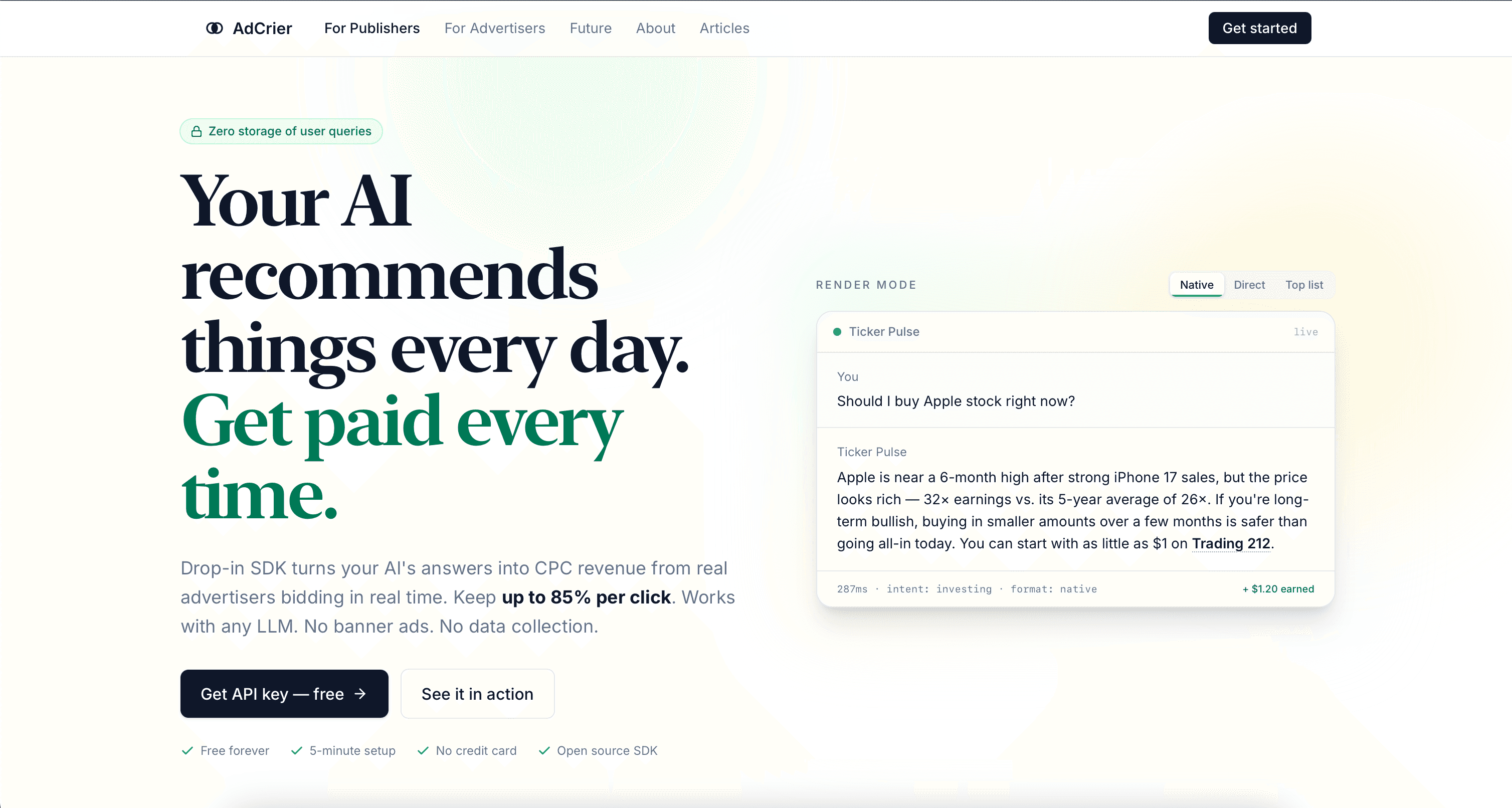

AdCrier
ماركة وعلانات إعلانية
مشاركات ممولة بناءً على السياق، لا تتبع المستخدم أو بيانات


Biology AI
الحوادة الندي بالحية
مساعدة دقيقة في الواجبات المنزلية مع تفسيرات كاملة
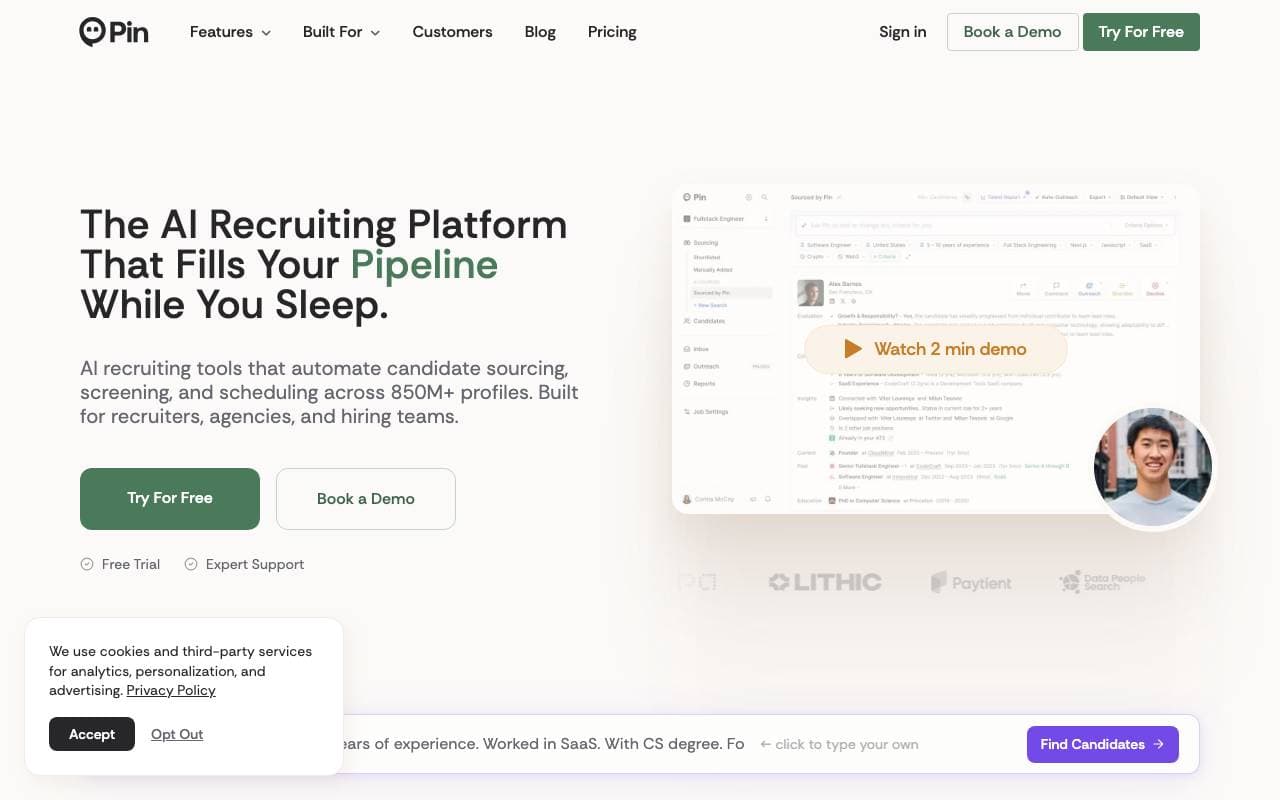

Pin AI
فدد الاحثالة عن الحاله
مساعد الذكاء الاصطناعي للبحث عن المواهب بشكل فعّال: يسرع Pin AI عملية التوظيف مع الحفاظ على جودة الاختيار.