
FastGooeyFastGooey es un framework de UI impulsado por servidor que entrega interfaces nativas instantáneas en iOS, macOS, tvOS y Flutter.

Resumen
Funciones clave
- Renderizado de UI impulsado por servidor
- Compatibilidad nativa con iOS, macOS y tvOS
- Integración con Flutter
- Actualizaciones de diseño y contenido en tiempo real
- UI desacoplada de los binarios de la aplicación
- Consistencia multiplataforma
Precio
- Modelo
- Freemium
- Categoría
- Desarrollo de Software
- Valoración
- 4.6 / 5 (5)
Casos de uso
Enviar actualizaciones de UI sin revisiones de la App Store
Enviar cambios de diseño, contenido y comportamiento desde el backend en tiempo real, evitando los ciclos de revisión de la App Store y acelerando los plazos de lanzamiento.
Ejecutar pruebas A/B en interfaces nativas
Experimentar con diferentes variantes de UI del lado del servidor en apps de iOS, macOS, tvOS y Flutter para optimizar la experiencia del usuario sin volver a desplegar binarios.
Mantener una experiencia UX consistente en dispositivos Apple
Centralizar la lógica de UI en el servidor para ofrecer experiencias nativamente renderizadas y consistentes en iPhone, Mac y Apple TV desde una única fuente de verdad.
Unificar la UI en aplicaciones nativas y Flutter
Definir interfaces una vez en el backend y renderizarlas nativamente en plataformas Apple, mientras se soportan clientes Flutter para un mayor alcance multiplataforma.
Pros y contras
Ventajas
- Actualizaciones de UI instantáneas sin lanzar nuevas versiones en la App Store
- Renderizado nativo en iOS, macOS y tvOS
- Soporte multiplataforma que incluye Flutter
- Iteración y experimentación más rápidas
Contras
- Requiere infraestructura backend para gestionar la UI
- Curva de aprendizaje para patrones de UI impulsados por servidor
- Ecosistema limitado en comparación con SDKs nativos
Reseñas
Promedio de 5 valoraciones.
Inicia sesión para dejar una reseña.

Compared a few options
Evaluated this against two competitors. Where it wins: native iOS, macOS, and tvOS support and faster iteration and experimentation. Where it lags: learning curve for server-driven UI patterns. On balance the feature set — especially native iOS, macOS, and tvOS support — justifies the 5 stars for our use case.

Use it every day
Honestly didn't expect to like it this much. Decoupled UI from app binaries is exactly what I needed, and native rendering on iOS, macOS, and tvOS. but I reach for it almost every day now and it just clicks.

Skeptical, then convinced
I went in skeptical — most tools in this space overpromise. It actually delivers on server-driven UI rendering, and faster iteration and experimentation caught me off guard. still, I'd recommend giving it a real trial.
Use it every day
Honestly didn't expect to like it this much. Flutter integration is exactly what I needed, and faster iteration and experimentation. I do wish requires backend infrastructure to manage UI, but I reach for it almost every day now and it just clicks.
Use it every day
Honestly didn't expect to like it this much. Server-driven UI rendering is exactly what I needed, and native rendering on iOS, macOS, and tvOS. I do wish requires backend infrastructure to manage UI, but I reach for it almost every day now and it just clicks.
Preguntas y respuestas
Who is Self-Hosted for?
It is aimed at agencies, enterprises, and teams that need data sovereignty, private infrastructure, or a non-SaaS procurement model while still wanting native app rendering.
Asked by Zelda Brandt · Jan 2, 2026
How is it different from hosted FastGooey?
The core difference is operational ownership. Self-Hosted runs in your Umbraco environment and avoids recurring platform fees, while hosted FastGooey removes the infrastructure work.
Asked by Celeste Marchetti · Dec 11, 2025
How do I install it?
Install it as a standard NuGet package in your existing Umbraco CMS instance, configure the content model there, and point your native app at the self-hosted endpoint.
Asked by George Papadakis · Oct 6, 2025
What UI can it render today?
Self-Hosted currently supports core macOS views like Table, SourceList, and Outline, plus iOS List View, with native UIKit and AppKit output.
Asked by Rosalind Frost · Sep 15, 2025
Hacer una pregunta
Alternativas a Desarrollo de Software
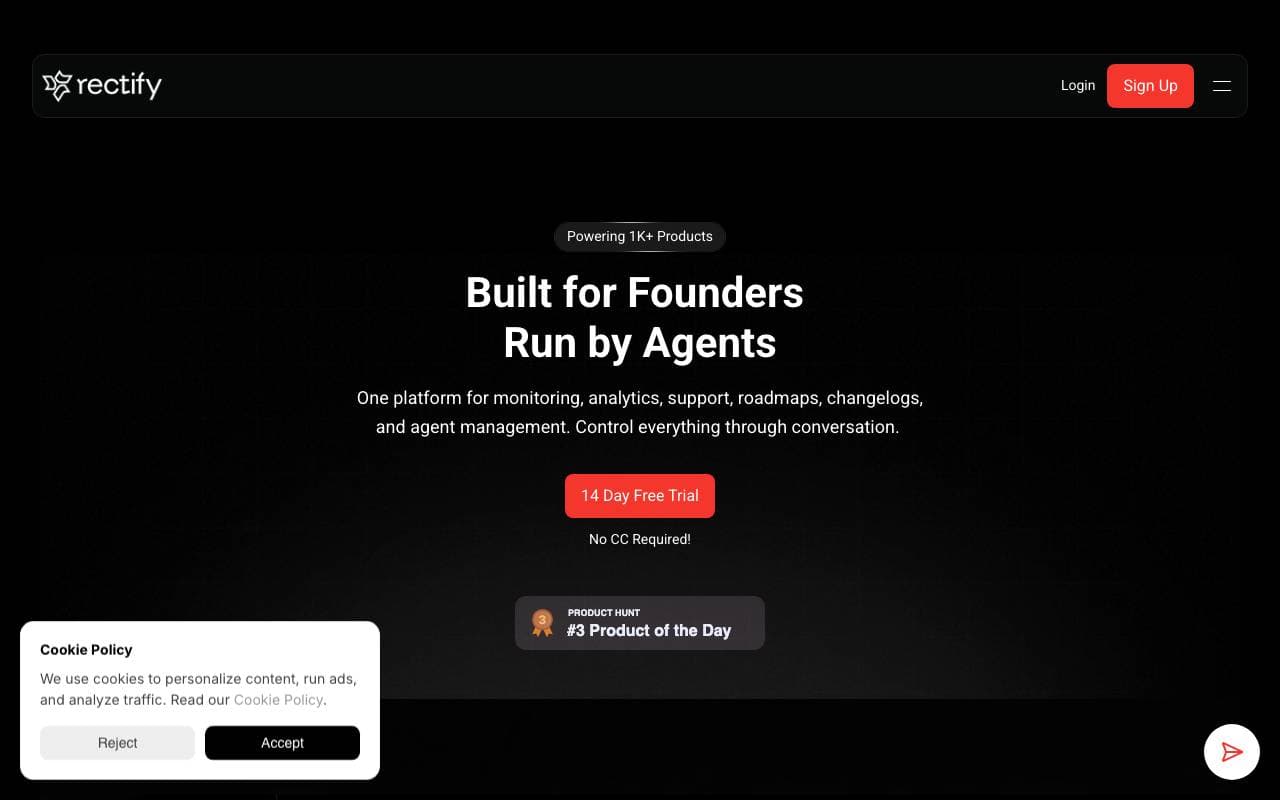
Rectify
Desarrollo de Software
Asistente inteligente de depuración que ayuda a los desarrolladores a encontrar y corregir rápidamente los errores en código generado por IA.


SwarmStack
Desarrollo de Software
Agente de inteligencia artificial para la planificación, alcance y recomendaciones de construcción de productos


Warp AI
Desarrollo de Software
Terminal integrado con inteligencia artificia que convierte lenguaje natural en comandos y flujo de trabajo de consola.


CopyChecker AI Reverse Image Search
Desarrollo de Software
Búsqueda inversa de imágenes para rastrear fuentes originales y detectar duplicados o coincidencias cercanas.
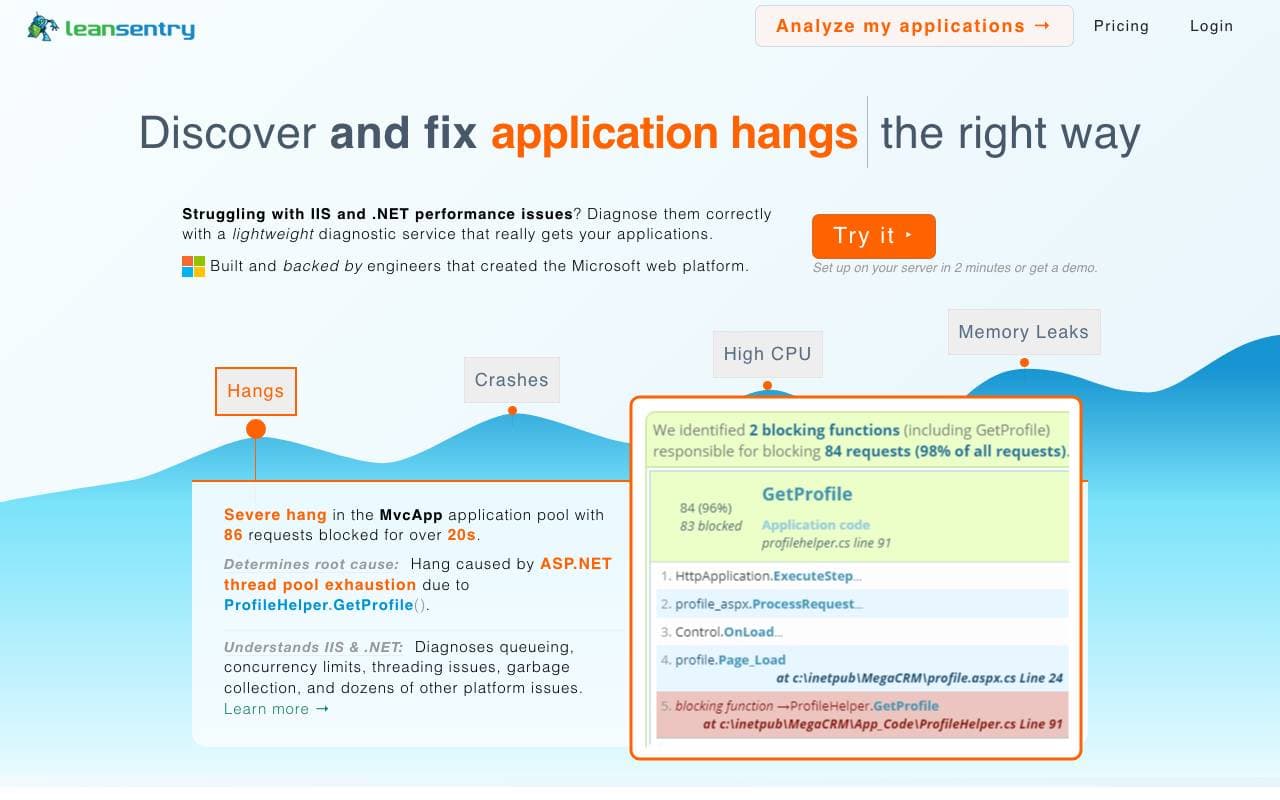

LeanSentry
Desarrollo de Software
Diagnóstico y monitoreo con inteligencia artificial para problemas de rendimiento de IIS y ASP.NET.


OG Pilot
Desarrollo de Software
Generador de imágenes de Open Graph con un solo clic para prévias de enlaces más rápidas y más atractivas.
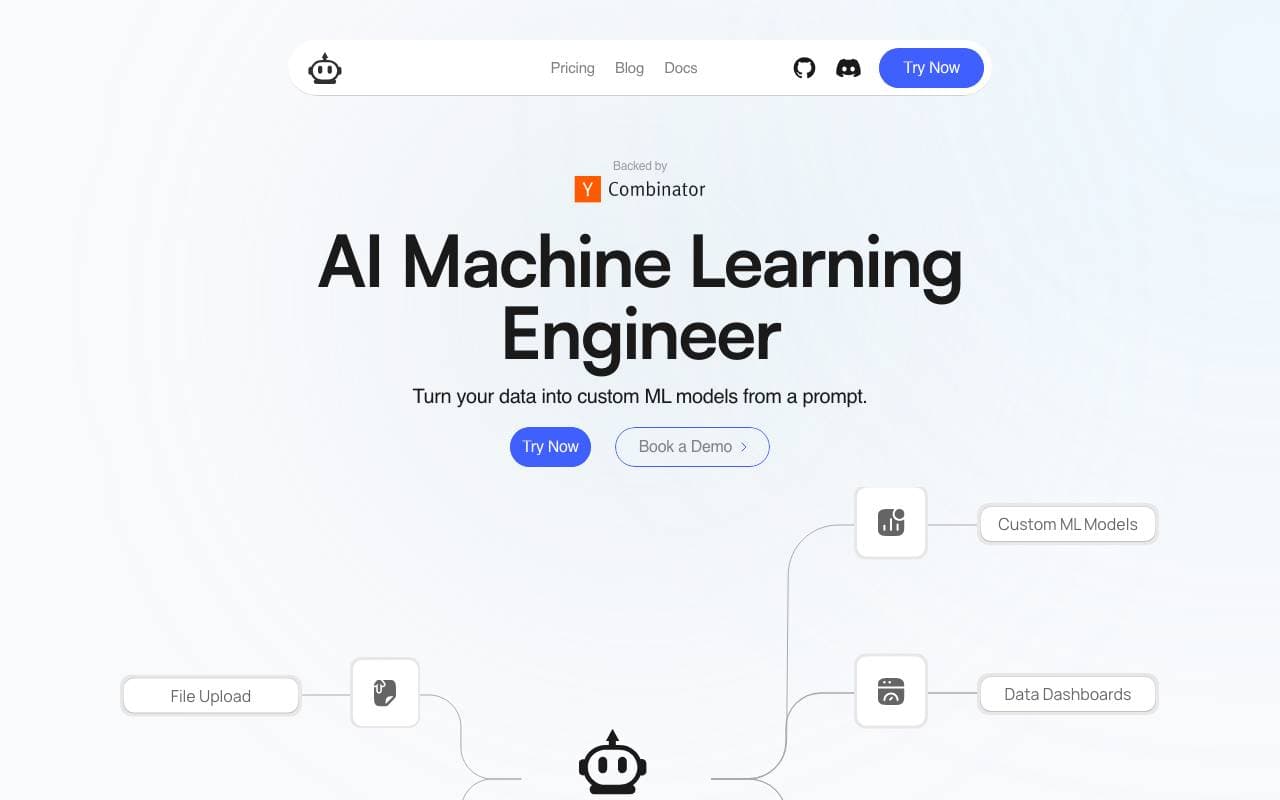

Plexe
Desarrollo de Software
Crea modelos de aprendizaje de máquina personalizados desde promesas de lenguaje natural
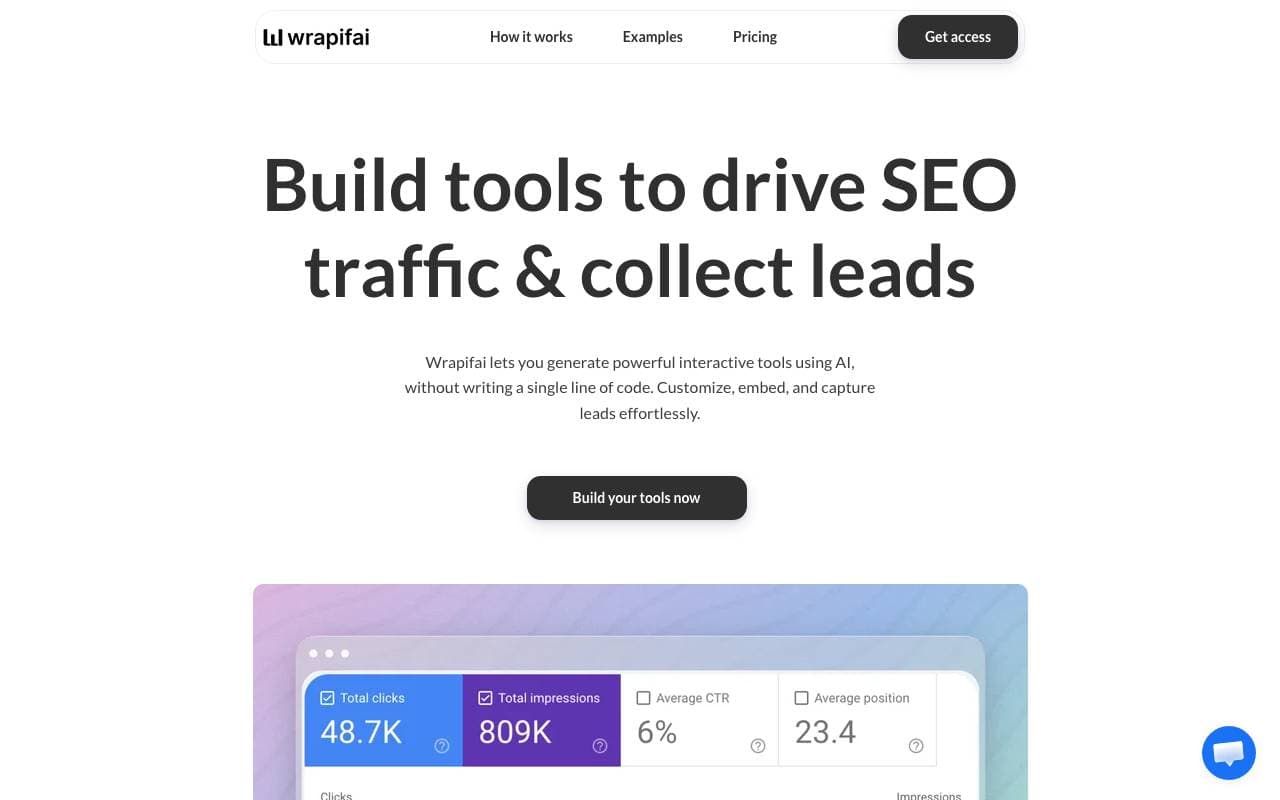

Wrapifai
Desarrollo de Software
Crea herramientas de IA no-código para atraer tráfico SEO y capturar leads
Trending now


Reducto AI
Plataformas de Desarrollo de Agentes de Inteligencia Artificial
API de inteligencia de documentos que analiza, divide, reconoce textos impresos y extrae datos estructurados desde PDF complejos, presentaciones y hojas de cálculo.
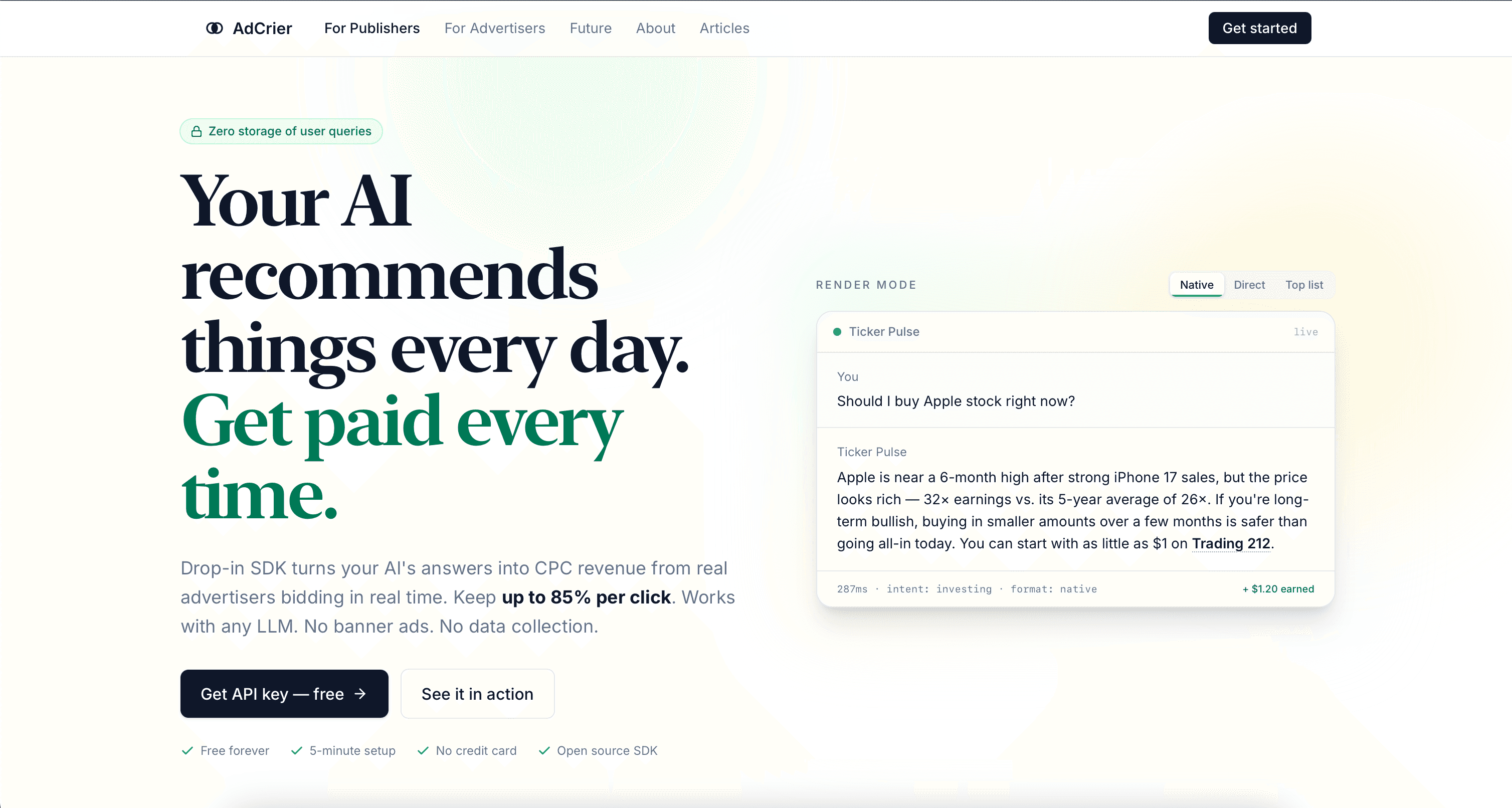

AdCrier
Marketing y Publicidad
Respuestas patrocinadas, pagadas por clic.


Biology AI
IA educativa
Ayuda precisa con las tareas de biología y explicaciones detalladas
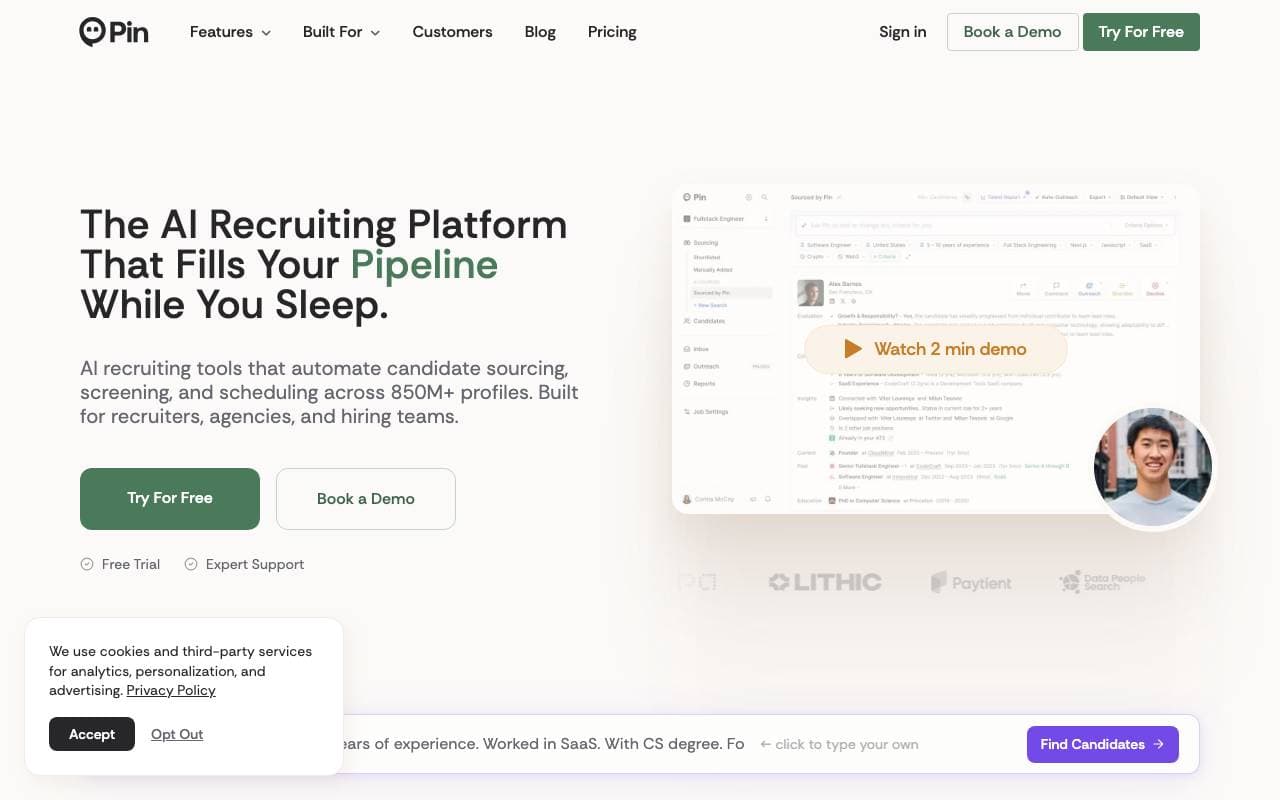

Pin AI
Automatización de flujo de trabajo
Contratista de AI agente que automatiza la busca, la selección y el acercamiento para acelerar el reclutamiento.