
DeepgramKõne-tekstiks ja teksti-kõneks API-d reaalajas kõnetarkvararakenduste loomiseks.

Ülevaade
Põhifunktsioonid
- Reaalajas voogedastusega kõne-tekstiks
- Neuraalne teksti-kõne kõne
- Kõneerine ja sõnaühikute ajatempletid
- Kohandatud mudeli peenhäälestus
- Heliintelligentsus (sentiment, teemad, kokkuvõte)
- REST- ja WebSocket-API-d multikeelse SDK-idega
Hinnad
- Mudel
- Freemium
- Kategooria
- Sõnavaimused
- Hinnang
- 4.6 / 5 (5)
Kasutusjuhud
Reaalajas subtiitrid voogedastustele ja üritustele
Kasutage reaalajas voogedastuse transkriptsiooni madala latentsusega subtiitrite genereerimiseks otseülekannete, veebiseminaride ja virtuaalürituste jaoks mitmetes keeltes ja aktsentides.
Kõnekoha analüüs
Transkribeeri kliendikõnesid kõneerinega ja rakenda sentiment, teema ja kokkuvõtte omadusi, et tõsta teadmisi ja parandada agentide jõudlust.
Kõneabid ja vestlusagentid
Kombineerige voogedastusega kõne-tekstiks koos neuraalsete teksti-kõne kõnede kasutamisega, et toetada reageerivaid kõnebotte ja vestlus-AI agenti loomist loomulikku dialoogi vormis.
Domeenispetsiifiline transkriptsioon
Pehene kohandamine kohandatud mudelitega tööstusliku sõnavara – näiteks meditsiinilise, õigusalase või tehnilise terminoloogiaga – et saavutada kõrgem transkriptsiooni täpsus spetsialistikõnede jaoks.
Plussid ja miinused
Plussid
- Kiire, madala latentsusega voogedastuse transkriptsioon
- Toetab palju keeli ja aktsente
- Kohandatud mudeli koolitus domeeni-spetsiifiliseks täpsuseks
- Arendajasõbralikud API-d ja SDK-d
- Skaalautav kõrge mahuga ettevõtete töökoormuste jaoks
Miinused
- Vajab tehnilist oskust integreerimiseks
- Hinnakujundus võib suurenev intensiivse kasutuse korral
- Mõned edasijõudnused on piiratud kõrgemate tasemete jaoks
- Eba-inglise täpsus varieerub keele kaupa
Lahingute rekord
1 lahingus Panteonis.
Last battle
Arvustused
Keskmine 5 hinnangust.
Logi sisse arvustuse jätmiseks.

Use it every day
Honestly didn't expect to like it this much. Speaker diarization and word-level timestamps is exactly what I needed, and fast, low-latency streaming transcription. I do wish some advanced features limited to higher tiers, but I reach for it almost every day now and it just clicks.

Compared a few options
Evaluated this against two competitors. Where it wins: custom model fine-tuning and supports many languages and accents. Where it lags: some advanced features limited to higher tiers. On balance the feature set — especially speaker diarization and word-level timestamps — justifies the 5 stars for our use case.
Solid for our team
We rolled this out across the team last quarter and fast, low-latency streaming transcription. Custom model fine-tuning fits neatly into how we already work, and custom model fine-tuning removed a step we used to do by hand. but it has held up under daily use.

Use it every day
Honestly didn't expect to like it this much. REST and WebSocket APIs with multi-language SDKs is exactly what I needed, and custom model training for domain-specific accuracy. I do wish requires technical expertise to integrate, but I reach for it almost every day now and it just clicks.

Compared a few options
Evaluated this against two competitors. Where it wins: audio intelligence (sentiment, topics, summarization) and scales for high-volume enterprise workloads. Where it lags: non-English accuracy varies by language. On balance the feature set — especially speaker diarization and word-level timestamps — justifies the 5 stars for our use case.
Küsimused
What are the latency characteristics for Deepgram’s streaming transcription?
Deepgram is designed for low‑latency streaming, delivering transcripts in near‑real time (typically under a few hundred milliseconds) which makes it suitable for live captioning, voice assistants, and call analytics.
Asked by Liam O’Connor · Jul 28, 2025
Can I train a custom model to improve accuracy for my domain‑specific vocabulary?
Yes. Deepgram’s custom model fine‑tuning lets you upload domain‑specific audio/text data to create a tailored model, boosting accuracy for specialized terminology or accents. This feature is available on higher‑tier plans.
Asked by Dalia Haddad · Jun 23, 2025
What integration options does Deepgram provide for developers building voice applications?
Deepgram offers REST and WebSocket APIs plus multi‑language SDKs (e.g., Python, JavaScript, Go) that support real‑time streaming, batch jobs, and voice agent workflows. The unified Voice Agent API also bundles transcription, TTS, and LLM orchestration, simplifying integration.
Asked by Farah Rahimi · May 2, 2025
How is Deepgram priced for real‑time transcription and TTS, and does usage affect cost?
Deepgram uses a usage‑based pricing model where you pay per minute of audio processed for both speech‑to‑text and text‑to‑speech. Real‑time streaming incurs higher rates than batch processing, and heavy usage can increase costs, so budgeting for high‑volume workloads is important.
Asked by Ingrid Bauer · Apr 14, 2025
Esita küsimus
Sõnavaimused alternatiivid
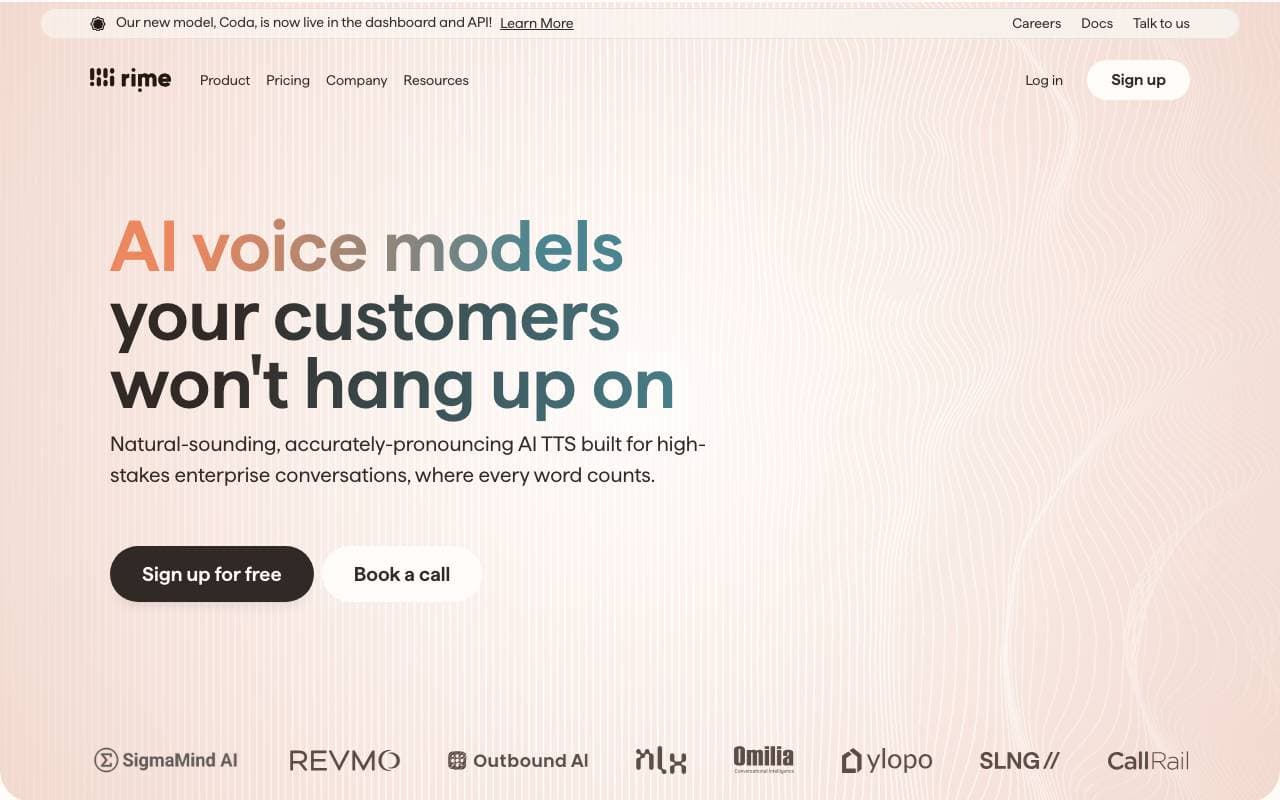

Rime
Sõnavaimused
Rime koosneb ehitada kogukujuvab koguse halduraid "täna nädalaga", nii AI kuuba kui ka kohalikud kogukujuvad.

AITernet
Sõnavaimused
Hääleaktiveeritud AI brauser, mis täidab kasutaja käske veebiinteraktsioonide automatiseerimise kaudu.


Read PDF Aloud
Sõnavaimused
PDF dokumentide kliendelinnult lugemine tõlkebaaskuna
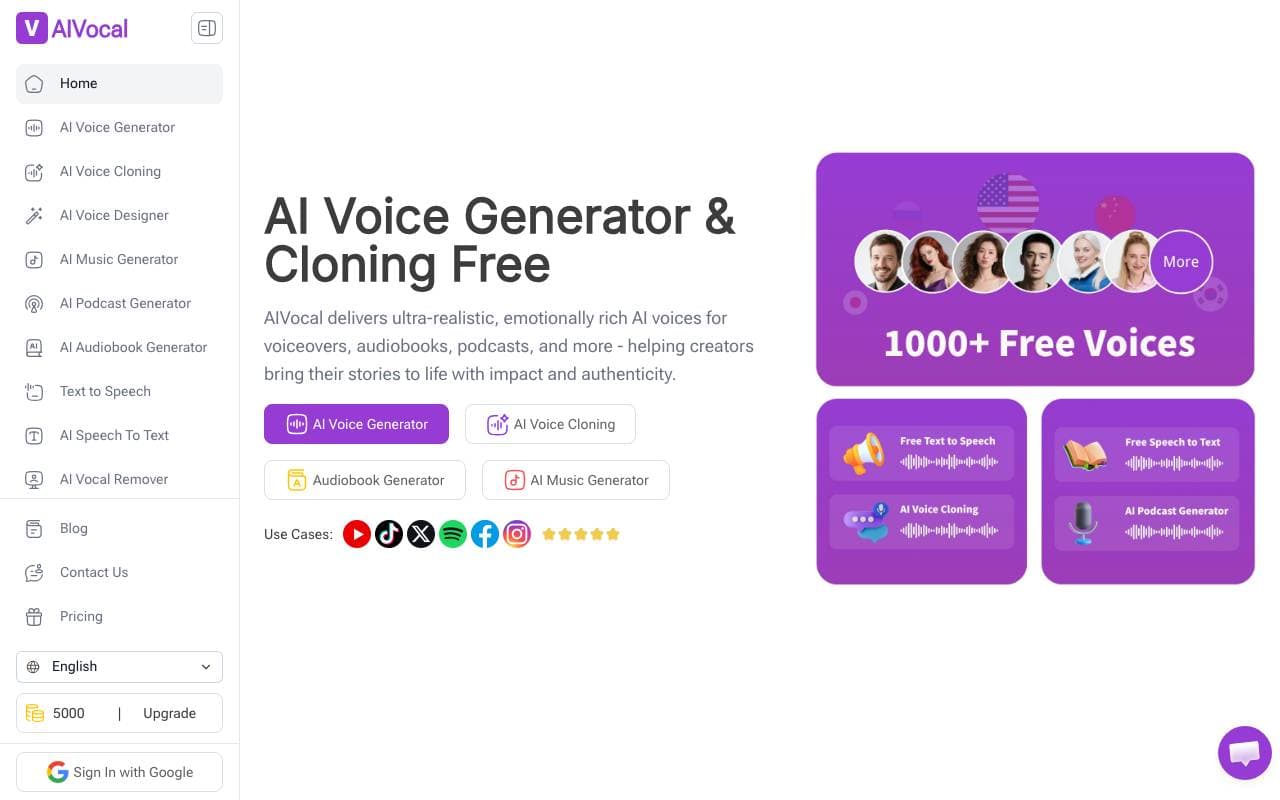

AIVocal
Sõnavaimused
Kõikehõlmav AI vokaalassistent vokaalhelide genereerimiseks, redigeerimiseks ja täiustamiseks.
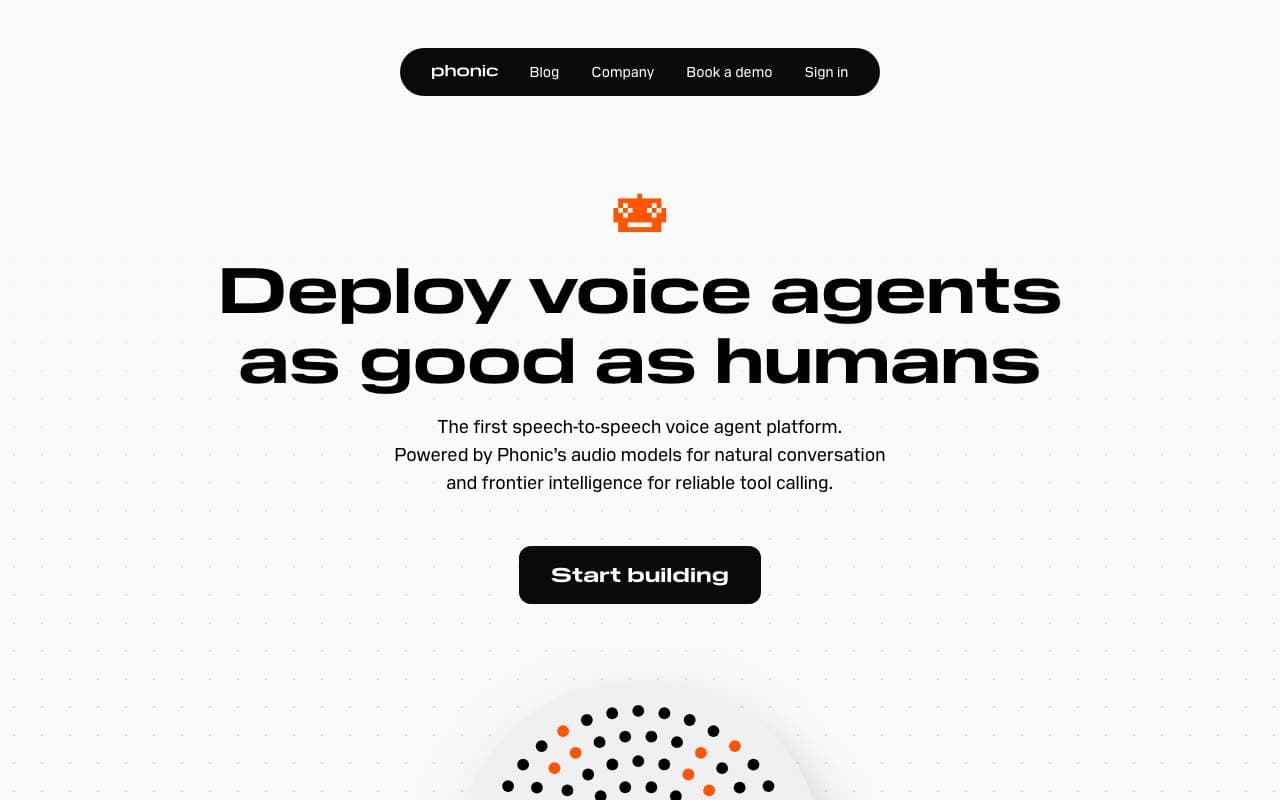

Phonic
Sõnavaimused
Aruend <PRESIDENT4> koostööga loomine õigete ja palgelike äärevõistleva vahemiku ühendamiseks vahekaarte või laudade algselt söömiga


Fliki AI
Sõnavaimused
Muuda tekst, skriptid ja ideed AI häälte ja avataridega jutustatud videoks.
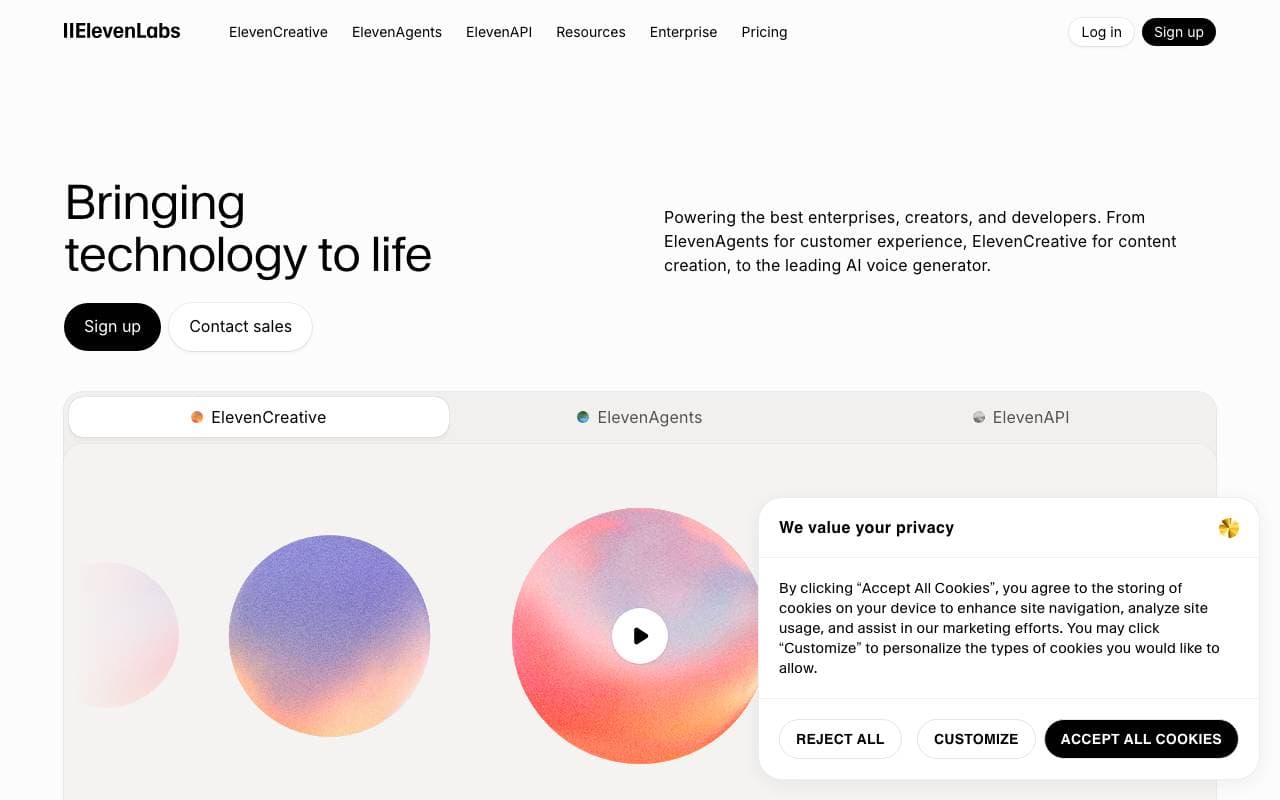

ElevenLabs
Sõnavaimused
Eluliste häälitega AI tekstist kõne ja hääle kloonimine mitmesugustes keeltes
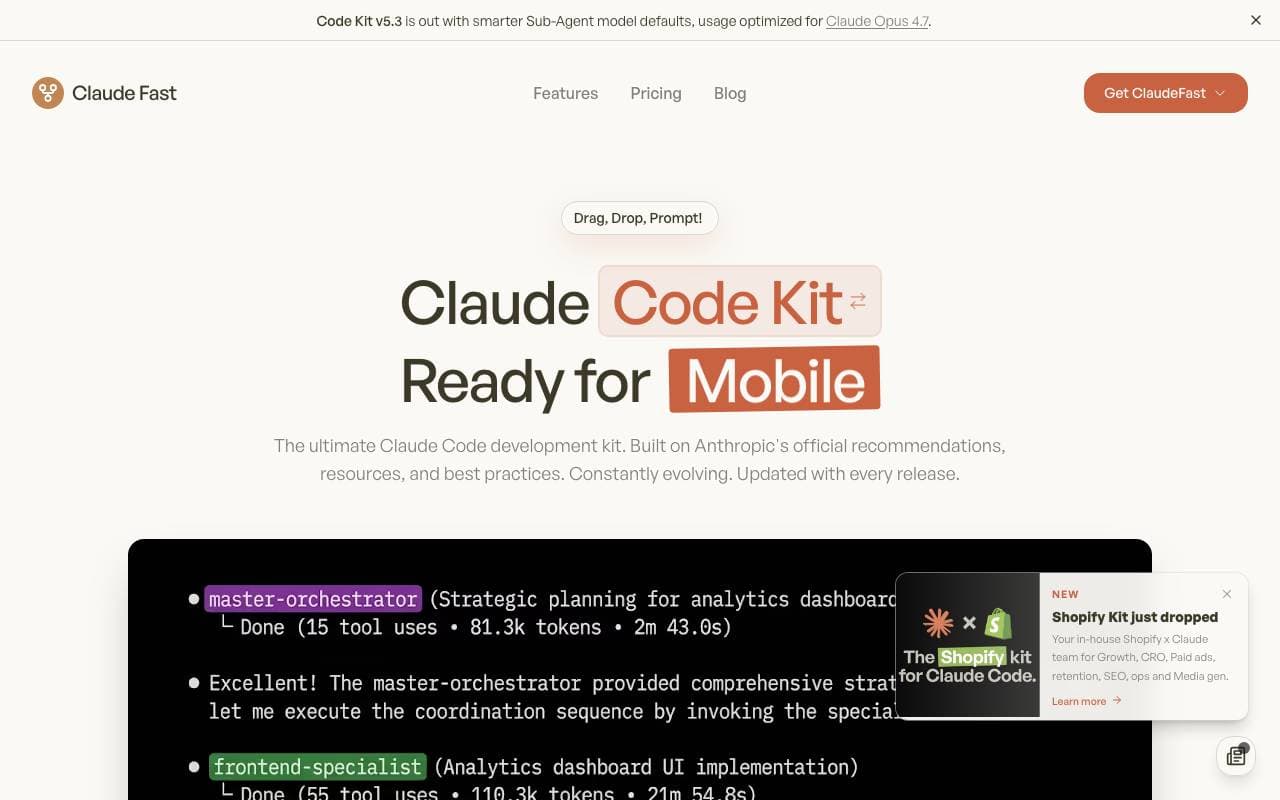

Claudefast
Sõnavaimused
Valmistatud Claude Code'i seaded, mis võimaldavad konfiguratsiooni vahele jätta ja kiiremini tööle panna.
Trending now


Reducto AI
AI Agentide Arendusplatvormid
Dokumentide intelligentsuse API, mis parsee, lõikab, OCRib ja ekstraheerib struktureeritud andmeid keerukatest PDF-failidest, slaididest ja tabelitest.
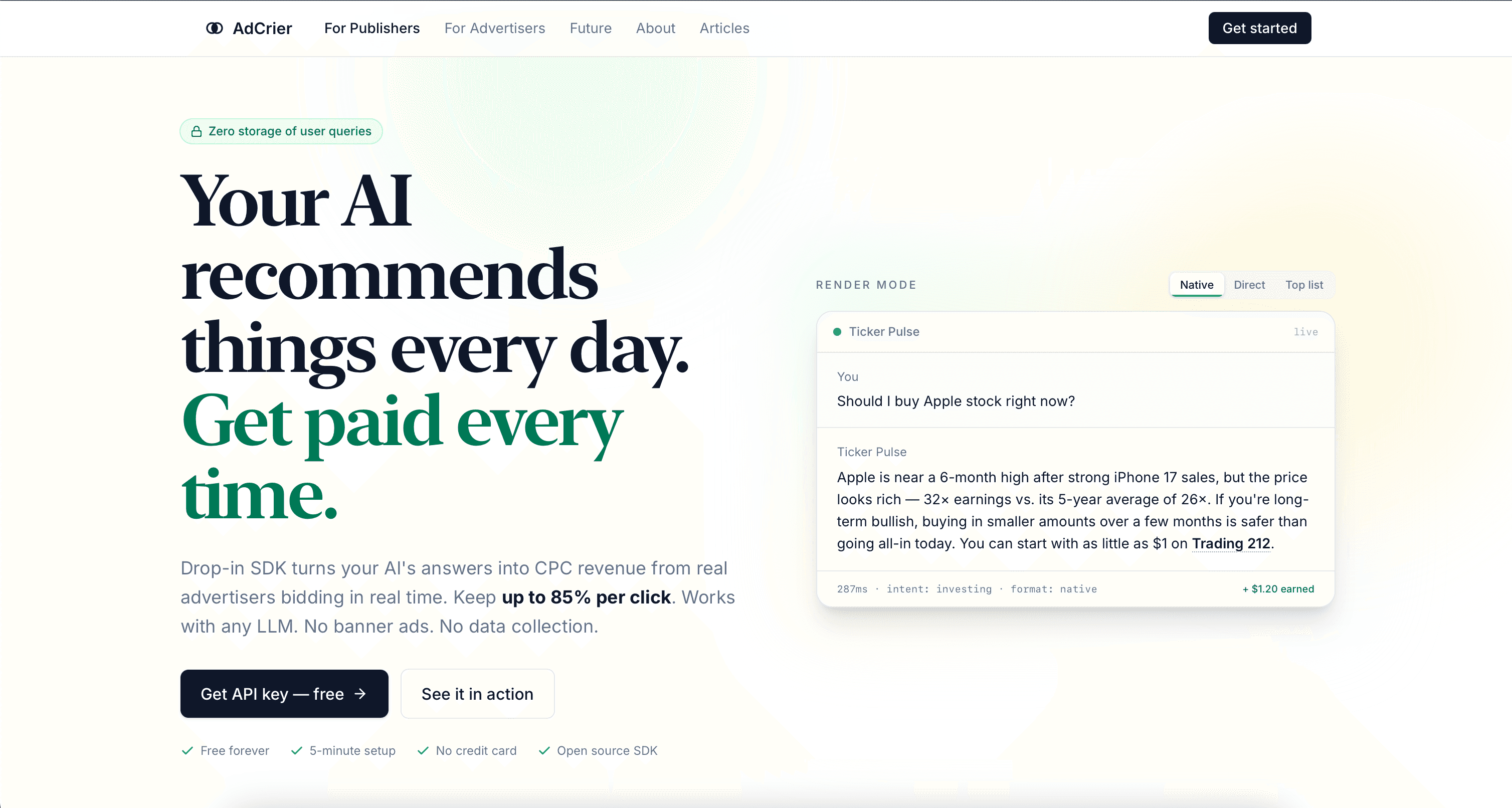

AdCrier
Turundus & Reklam
Sponsoreeritud vastused, makstakse klikkide eest.


Biology AI
Haridustehnoloogia
Täpne kodutööabi täielike selgitustega
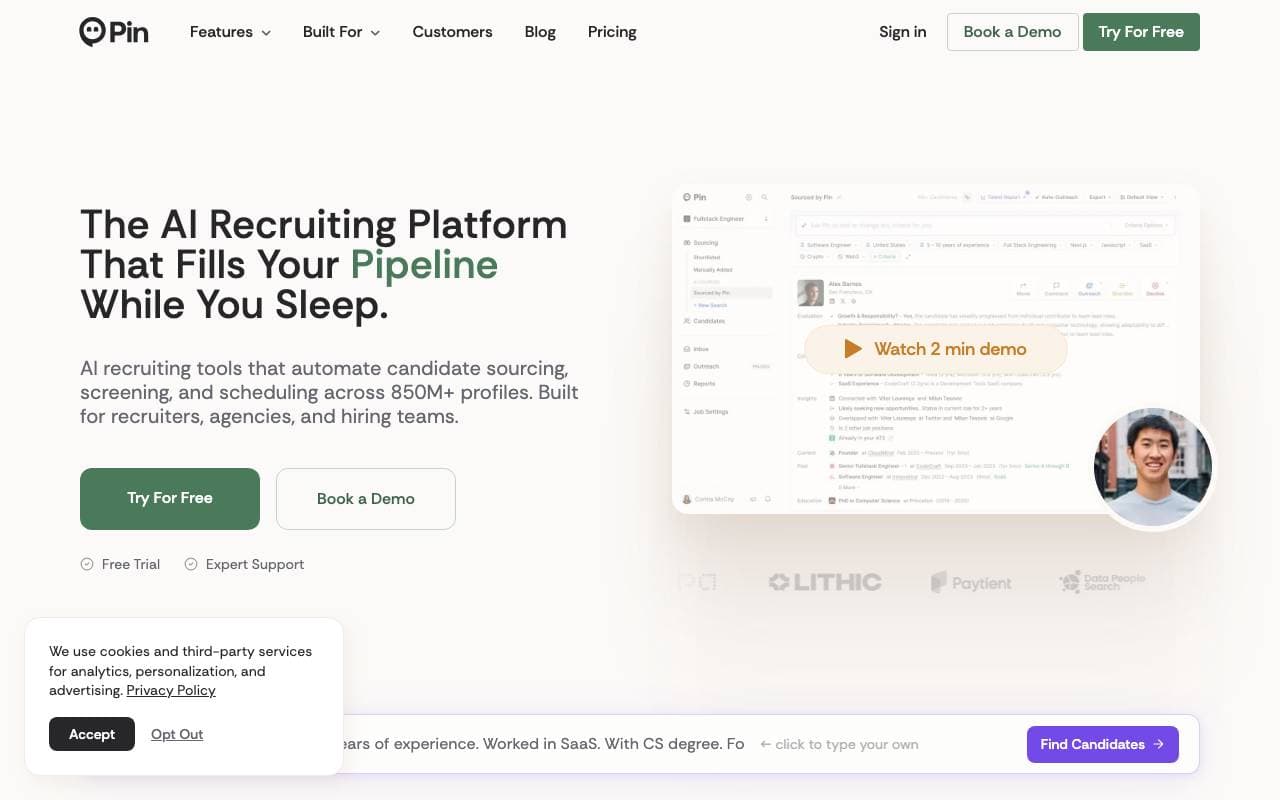

Pin AI
Tööjuhtimise automatiseerimine
Meie agentlik Olümp asjuajas